Explore ideas, evidence and developments across the textile value chain.
23,367 articles · latest first · 21,241–21,264
 News14 Feb 2014
The UK’s textile and biomedical sectors will receive a boost, especially in the North West, after the Greater Manchester Business Growth Hub was awarded two new mentoring contracts, as part of the government’s £2.6million Mentor Challenge Fund.
Weekly analysis of the Australian Wool Market by Chris Wilcox, Executive Director of the National Council of Wool Selling Brokers of Australia.
 News14 Feb 2014
M&G Chemicals has stated on its website that the patent infringement case brought against them with regards to Invista’s PolyShield resin product is ‘Settled and Dismissed’.

Ground-breaking innovations and detailed technology advances are producing buoyant sales for Richard Hough Ltd (RHL), the specialist producer of de-watering, squeezing and calendering rolls for textile finishers.
 News13 Feb 2014
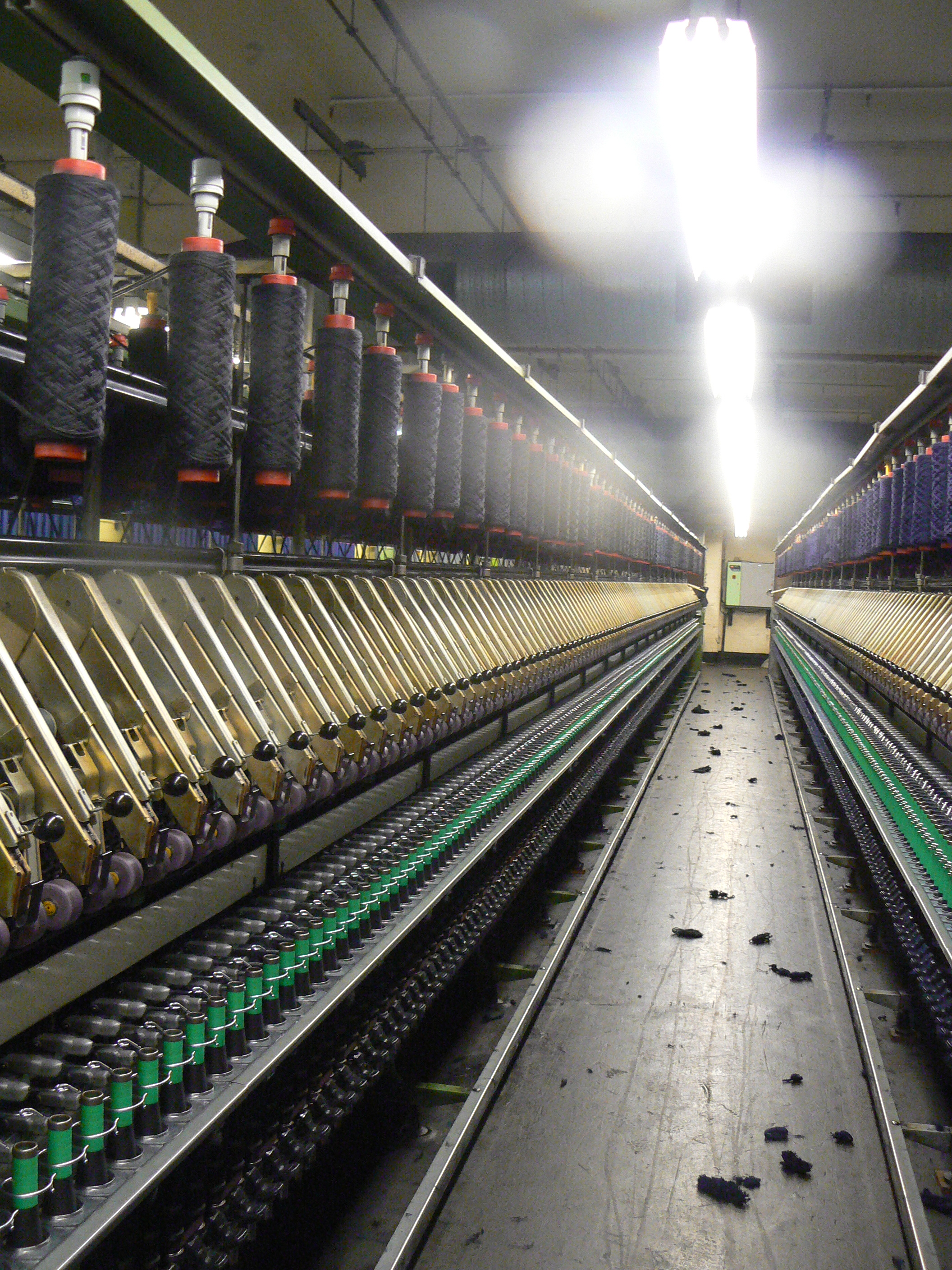
Cotton yarn output increased by 10% during the first nine months of the fiscal year, to reach 2,908,000 tonnes, according to the latest official data. Output of all other spun yarns increased by 8.2% during the same timeframe. The statistics reveal that, in contrast, production of man-made filament yarn declined by 6.5%, to 987,000 tonnes.
 News13 Feb 2014
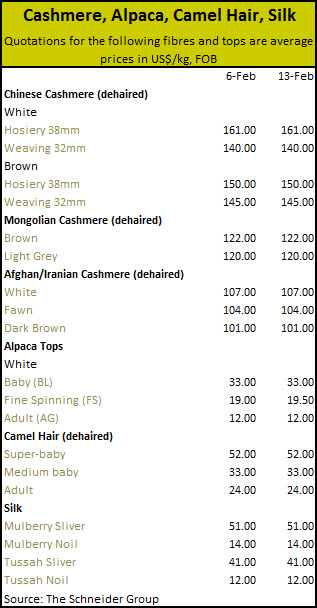
The Schneider Group report sustained slow trading on cashmere and silk markets this week. Although many dehairers in China have returned to work following the Spring Festival, demand from European mills has been sporadic. FOB quotations have generally been renewed at unchanged levels. However, supplies at origin, for both silk and cashmere, are still limited. Sources at Schneider therefore indicate that a more sustained pace of demand may quickly translate into higher prices.
 Technical13 Feb 2014
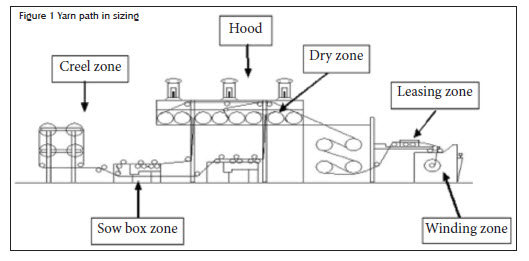
The performance of a textile mill is mainly determined by the loom-shed efficiency, which entirely depends upon the quality of sized beam production. During the processing of material in sizing, the yarns are stretched, which is one important factor to be considered in producing a quality-sized beam. The stretch caused by tension leads to an increase in length and reduction in yarn as well as fibre cross-section. This phenomenon affects the strength of the fibre.
The slow restart to Chinese buying following the Spring Festival has influenced a slightly more cautious view of the short-term business outlook among traders of Australian wool. Auction offerings during the next couple of weeks are expected to be reasonably large (next week’s sale is predicted to total 53,861 bales), with a predominance of finer fleece, demand for which has been especially sluggish. In this regard, the assumption that prices will not fall significantly lower than current levels may be tested.
 News13 Feb 2014
A weak price sentiment pervaded the market this week, in face of a persistently slow demand from China and an increased volume of wool coming to auction. Exporters reported a dearth of fresh enquiry from China during much of the period under review. Some merchants report weak demand signal emerging from China, others are more sanguine regarding the business outlook. Quotations for Type 55 into China dipped to around US$10.75/10.90 per kilo, clean, CIF (90 days Letter of Credit), down from over US$11.10 per kilo a week earlier. Exchange rate movements were unhelpful during the early part of the week, but poor unemployment data today influenced a softening in the Australian dollar’s standing against its US counterpart.
 News13 Feb 2014
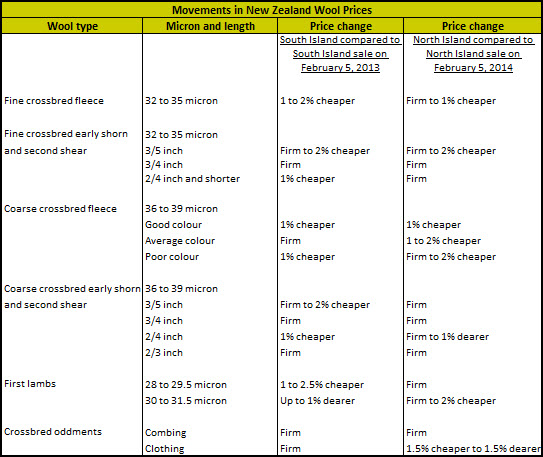
A strong local currency, combined with a persistently quiet export market, contributed to a further softening in auction prices at this week’s sale. Wool Services International’s Coarse Crossbred Indicator dropped by 1.2%, to 485 NZ cents per kilo, clean. In US dollar terms the Indicator was unchanged.
 News13 Feb 2014
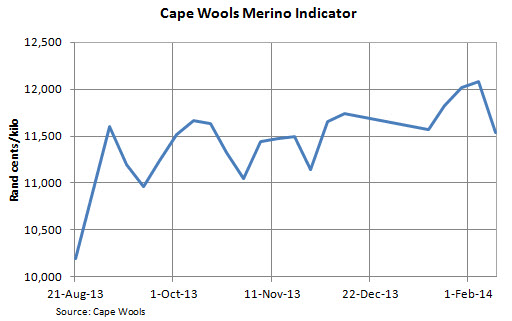
Local wool prices retreated from their recent highs at this week’s auction. A stronger rand/ US dollar exchange rate contributed to mounting resistance on export markets to the higher prices quoted of late. Moreover, the downward correction mirrored weakness in Australian Merino values. The Cape Wools Merino Indicator decreased by 4.5 % to R115.39 per kilo, clean.
 News12 Feb 2014
A number of military exchanges that act as apparel buyers for the US Government have, in the past, sourced their private-label clothing from factories in Bangladesh without taking any independent action to investigate or remedy safety hazards and illegal working conditions, according to a new report from the International Labor Rights Forum(ILRF).