Explore ideas, evidence and developments across the textile value chain.
22 articles · latest first · 1–22
 Insight18 Feb 2021
Covid-19 has unleashed a significant boom in demand for apparel and other wearables that are antiviral, cleansing consumers’ bodies of viruses as well as bacteria.
 Insightfree29 Jul 2020
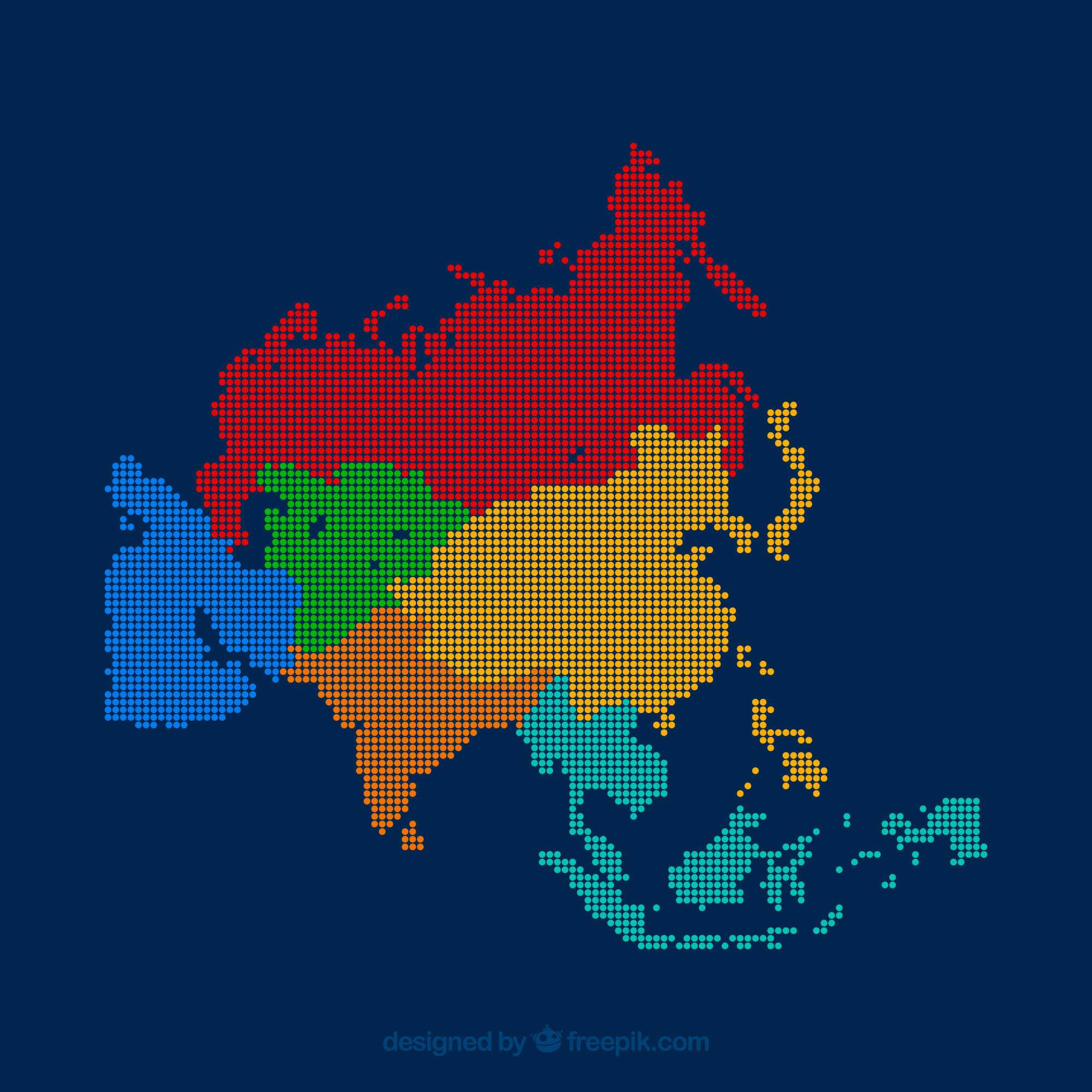
A regional profile by Jens Kastner, Raghavendra Verma, A.Z.M Anas, Poorna Rodrigo and Sara Nabila Harris.
 Insight6 Sept 2019
Outsourcing centres in Asia understand benefit of digital weaving technology, but investment can be expensive

Continuous dyeing technology is being refined and improved, and now offers textile finishers the chance to improve their output efficiency, while reducing chemical, water and energy usage
 Insightfree16 Nov 2018
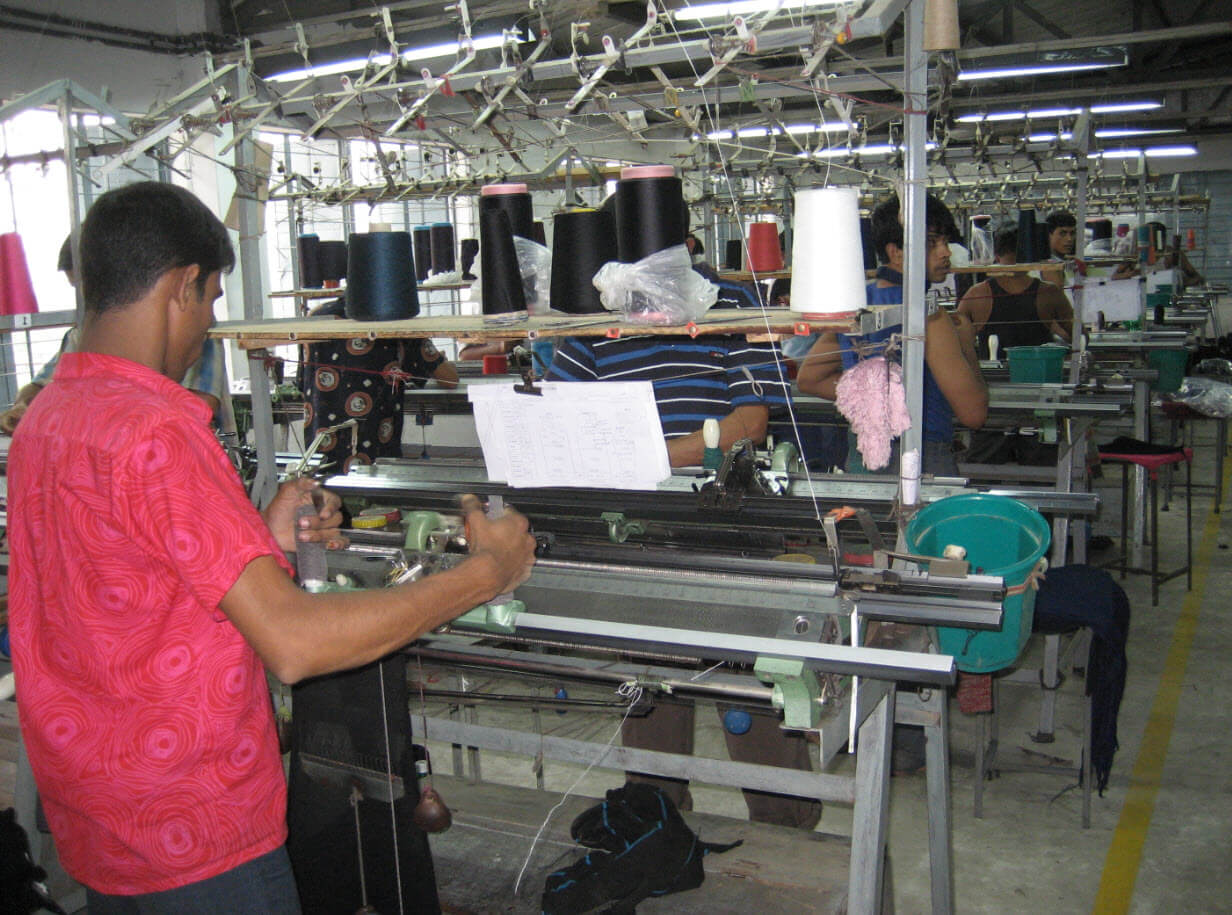
Bangladesh’s unions have yet to be satisfied by an increase in the country’s minimum wage, which was published in a government gazette on 8 October, hiking minimum wages for entry-level knitwear workers by 51% to US$95 a month from December, up from the US$63 set in 2013
 Insight13 May 2015
Bangladesh’s knitting industry faces key changes in the next 20 years, as the Western-educated children of first-generation businessmen take over family-owned firms. Industry experts have noted that some second-generation entrepreneurs have already taken the reins of major knitwear companies and are introducing modern management practices and discovering new financing channels.
 Insight30 Mar 2015
With Bangladesh’s economy set to continue growing and local cotton production expected to remain insignificant, cotton imports are set to double by 2021, said industry players and experts attending the country’s first Global Cotton Summit. The two-day event (March 20-21) in Dhaka, was jointly organised by the Bangladesh Cotton Association (BCA) and Bangladesh Textile Mills Association (BTMA).
Bangladesh’s demand for cotton is booming, creating significant opportunities for international suppliers of cotton, according to textile industry experts at the opening of Bangladesh’s first Global Cotton Summit, in Dhaka.
Bangladesh’s textiles and knitwear exporters are confident they will see off the challenge posed by the country’s key regional rival Pakistan, which is benefiting from the European Union’s (EU) Generalised System of Preferences Plus (GSP+) status.