Explore ideas, evidence and developments across the textile value chain.
23,365 articles · latest first · 17,905–17,928
 Insight18 Mar 2015
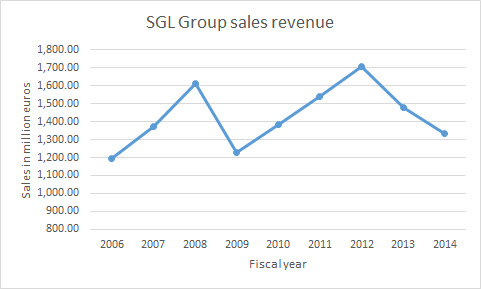
Despite a stabilisation or slight improvement in some businesses in the second half of 2014, SGL Group – the Carbon Company – was impacted by the difficult business environment, mainly in the field of graphite electrodes.
The rise of 3D printing has been one of the major trends to impact the established application areas of technical textiles.
Technical textiles provide a breadth of possibility for manufacturers and consumers. Textile products are able to offer very useful qualities and reach a number of markets, from outdoor apparel, to automotive and aerospace parts and filtration.
The essential role of nonwoven filter media in addressing pollution challenges and quality of life for global populations was the key message at this week’s FILTREX 2015 event in Hong Kong
Invista has launched Novadyn – transparent polymers that can be used as differentiated blend additives to improve traditional nylon performance. Novadyn comprises highly versatile semi-aromatic polyamides with a unique combination of performance, cost effectiveness and recycled content, according to the company.
 News18 Mar 2015
Rieter has reported double-digit sales growth in the 2014 financial year, with an especially strong second-half performance. Overall sales increased by 11% to CHF 1,153m ($1,149m). In the second half of the year, sales increased by 21% compared to the first half. Rieter reported the highest increase in the US, followed by Turkey, India and various Asian countries. In contrast, sales in China and Africa decreased compared to the previous year.
 News18 Mar 2015
The organisers of ITMA 2015 have announced the opening of visitor registration. An earlybird rate of €80 for the full eight days, or €40 for a single day, is offered to anyone registering online at www.itma.com before October 15. This compares with a daily rate ‘at the door’ of €80.
 News17 Mar 2015
The United Nations Industrial Development Organization (UNIDO) will help in building local capacities for the manufacturing of solar energy systems and components in Egypt, and will promote the application of solar energy in the country’s textile industry, among others.
 Insight17 Mar 2015
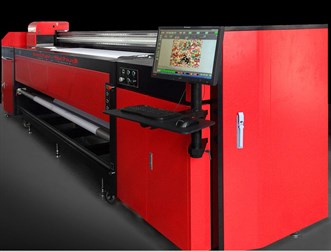
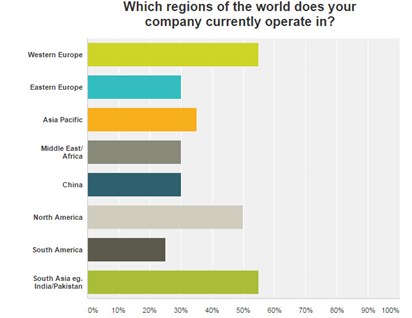
World Textile Information Network recently conducted its first quarterly opinion poll, asking participants across all areas of the digital textile industry to offer their experiences and intuitions about this exciting market. A number of interesting insights where revealed from this survey and, as we go forward, we will continue to track these evolving opinions, with the aim of understanding some of the underlying trends driving digital textile growth.
Following an abrupt halt to Brazil’s economic boom years, the nonwovens industry is preparing for another flat year in 2015. Mauricio Savarese reports from Sao Paulo on how companies are holding fast by consolidating their business and investing for the future.
 Insight17 Mar 2015
Quality of products is becoming increasingly important for manufacturers and consumers alike. Good quality, good colour natural fibres see good demand across the markets, while poorer styles are passed in. It is equally important that yarns are of a high quality, as they will have direct impact on the fabric created and all products further down the line.
 Profile17 Mar 2015
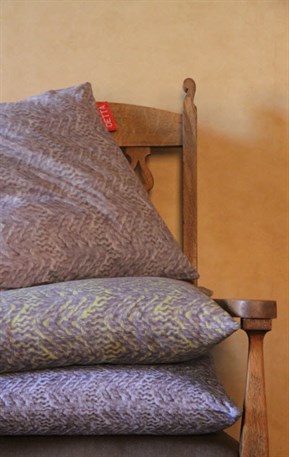
Irish textile designer and founder of Detta Textiles, Berni Raeside launched her unique collection of designs for knitted-look digitally printed cushions, tote bags, table cloths and napkins at Showcase, Ireland, in January. Raeside specialises in designs for knit and print and has combined both to create functional, aesthetically pleasing and tactile products for interiors.
Nonwovens association EDANA has published a Guide to the European Biocidal Products Regulation. The Biocidal Products Regulation (BPR) has been in place since 2012 and EDANA has actively followed the developments to this regulation.
 Insight16 Mar 2015
It is interesting to reflect on the different rates of development of knitwear manufacturing nations in South East Asia. They have varying degrees of integration in their supply chain, with countries like Vietnam, relying heavily on imports of yarn. While Vietnam imports significant quantities from India, which offers good value and variety, lead-times are a problem, leading companies to having to make last minute purchases from domestic producers or the US with the associated higher costs.