Explore ideas, evidence and developments across the textile value chain.
23,362 articles · latest first · 12,361–12,384
 Prices16 Feb 2018
Weekly analysis of the Australian Wool Market by Chris Wilcox, Executive Director of the National Council of Wool Selling Brokers of Australia.
 Insight16 Feb 2018
New fabric and material innovations were some of the main attracts at ISPO 2018, with a host of companies showcasing their latest developments across the sports and clothing industry
 Insightfree16 Feb 2018
The Taiwan Textile Federation (TTF) was one of a number of national authorities for textile companies and those operating within the industry at ISPO 2018

FESPA has launched Print Make Wear – a new, interactive visitor feature designed to replicate a fast-fashion factory
 Prices12 Feb 2018
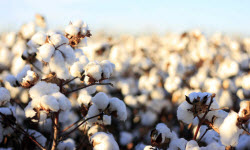
China’s CCINDEX has dropped marginally in terms of yuan and has faced a downward trend since the end of 2017 calendar year. Figures provided by the USDA show an upward revision in China’s cotton production and domestic consumption, and a downward revision in production deficit. China’s cotton trade deficit was also revised downwards due to a downward revision in imports relative to projections made in the previous month. Cotton prices in India have remained stable relative to the week before. Despite the downward revision in cotton production in January relative to projections made in December, cotton production is still expected to rise year-on-year thanks to an increase in harvest area, according to data provided by the United States Department of Agriculture and is expected to play a dominant role in the increase of India’s total supply year-on-year. Demand is also expected to rise as well, due mostly to a boost in domestic demand. The dollar price of exported yarns dropped due to the week-on-week fall in the INR against the dollar. The trend in the value of the INR has been positive against the dollar and negative against the euro since the beginning of 2017. Cotton prices in Pakistan have faced a downward trend since the beginning of 2018 but are still positive year-on-year. Like India, domestic production in Pakistan is expected to rise relative to the previous year due to an increased harvest area. Despite this, prices shot up towards the end of the 2017 calendar year due to the devaluation of the rupee against the dollar. Pakistan is expected to have a trade deficit in cotton, with more than a fifth of cotton supply expected to come from imports.