On the Textile 4.0 channel, WTiN has near-comprehensively covered the use of artificial intelligence (AI) and Internet of Things (IoT) technologies within automated machinery.
This is because, among other capabilities, the coupling of these technologies can open the door to the ‘intelligent manufacturing of clothing’, which welcomes innovative applications such as predictive quality control and the predictive maintenance of machinery.
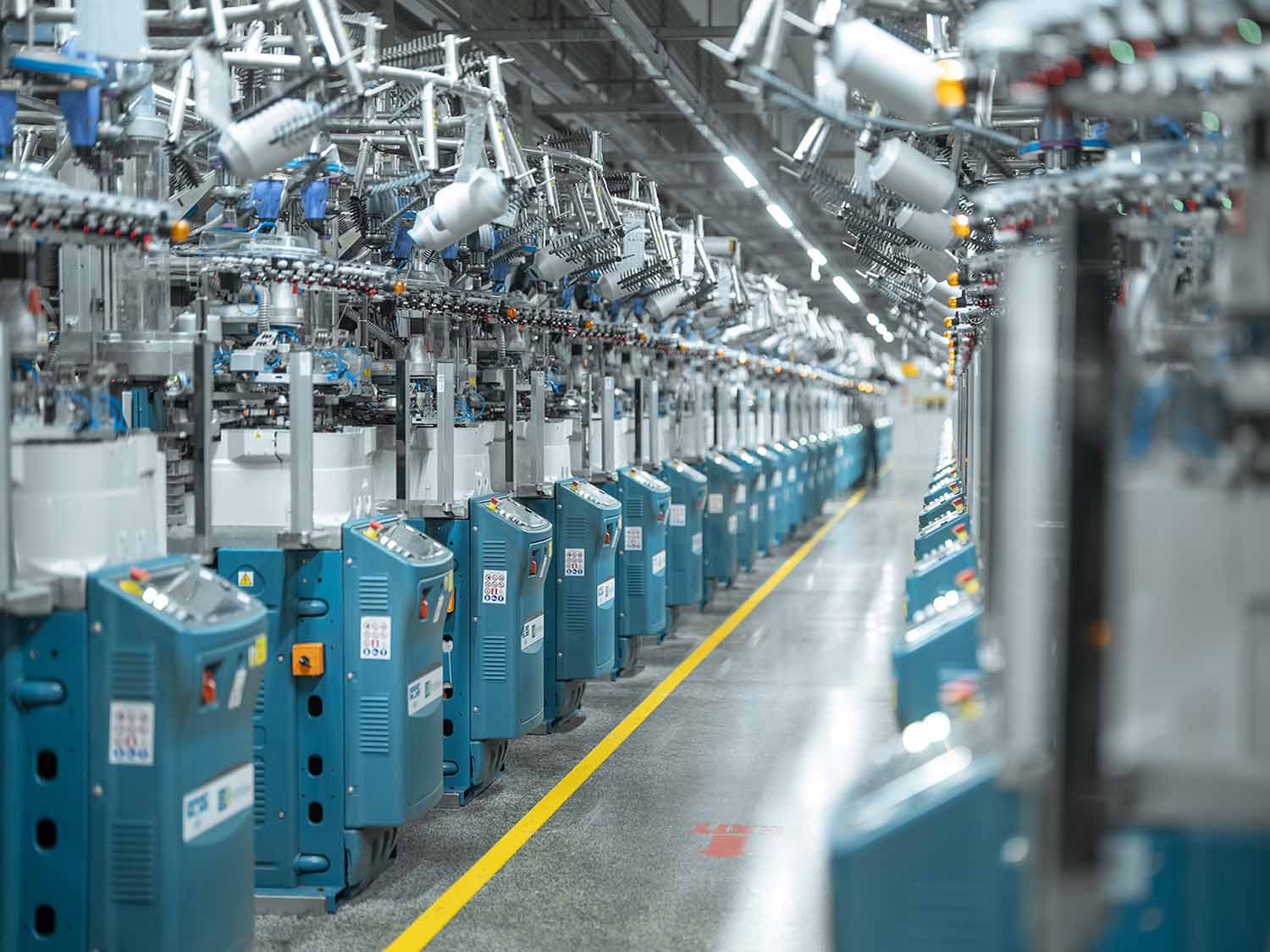
For example, within industry, machine sensors – fuelled by AI tech – enable predictive maintenance. This allows manufacturers to keep up to date with the condition of in-service machinery and pre-empt when maintenance should be performed – ultimately, to avoid malfunction and support uninterrupted workflow.
The use of predictive maintenance techniques offers cost-savings – thanks to its constant observation, which ditches ‘preventative maintenance’, a periodical approach to machinery upkeep – that are undeniably attractive to the textile & apparel industry.
And, by being constantly switched on, sensor technologies are enabling new, connected, and resilient workflows, further supporting the proliferation of Industry 4.0.
In an increasingly digitalised, highly efficient textile & apparel industry, to remain without these advanced predictive tools can be detrimental – if not damaging – to a business.
“If you’re a manufacturer and you have a production line that goes down due to a fault, you’ll lose output and product, putting money down the drain,” says Jordan Appleson, CEO at Hark, a UK-based hardware and cloud company, in an interview with WTiN. Additionally, as breakages occur, they often go unnoticed, leading to the reduced longevity of textile machinery and the demand for expensive replacements as opposed to minor repairs.
But as the sector increasingly shows signs that digitalisation is inevitable, many businesses are turning to these unique capabilities.
For example, Nicolas Pirard-Branche, global service director at Andritz Nonwoven, explains that the company had witnessed a ‘big surge’ in demand for its Metris Predictive Maintenance Service because of its positive effects on automatic data reporting, interoperable data sharing and production efficiency.
It is likely that over the coming year (2021), the industry will see further adoption of these technologies as the sector continues to battle with Covid-19 and its impact. According to analysts, digital innovation like predictive maintenance can help improve the resiliency of businesses in the face of uncertainty.
As such, for WTiN’s Textile 4.0 channel, we investigate the use of predictive maintenance technologies within the supply chain and manufacturing industry. The report will be available from 22 March 2021.