Brenda Dionisi, Liz Newmark, Barbara Barkhausen, Barbara Bierach, Sarah Gibbons and Keith Nuthall round up some of the most interesting knit-related developments from the past year.
With its complex supply and distribution chain, the international knitwear sector fosters innovation, with commercial partners cross-fertilising technical and design ideas.
One key area of innovation in the past year has been warp knitting. For instance, the northern Italian warp seamless knitwear manufacturer Cifra launched an innovative and sustainable garment concept for women, spanning beachwear, athleisure bodywear and lingerie.
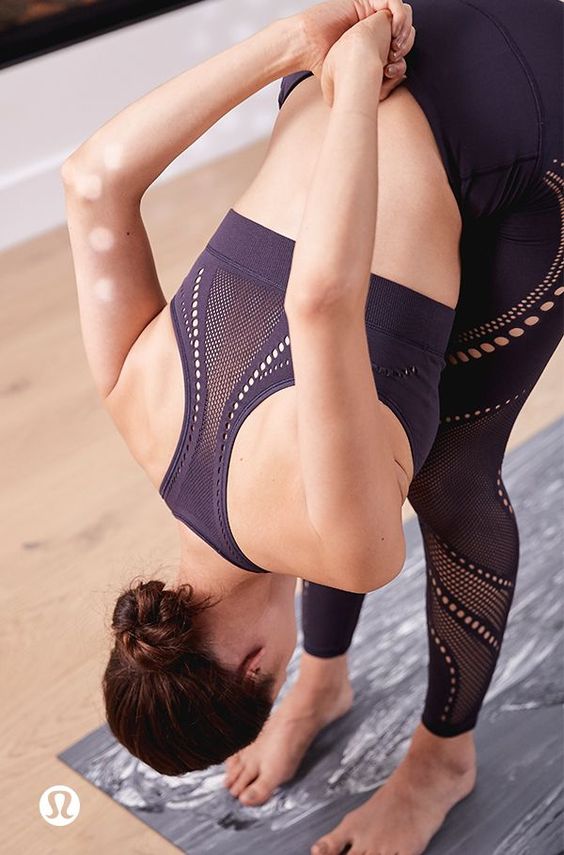
Made with Cifra’s patented warp knit seamless WKS technology and 3D body mapping technology, the company’s new beachwear line is versatile, prevents skin irritation, is snag-resistant and quick drying. The company says garment patterns are endless and, thanks to 3D body mapping technology, fabrics can be made to feature areas of greater or lesser compression. Perforated fabric areas can also be designed to guarantee extra breathability and flexibility in certain areas of the body as well as visually enhancing the female figure, the company notes.
Cifra expects brands to be intrigued by this new way of making beachwear because the warp knit fabric lends itself to original design possibilities, a spokesperson told WTiN, adding that brands in Europe and North America are expressing interest in the concept.
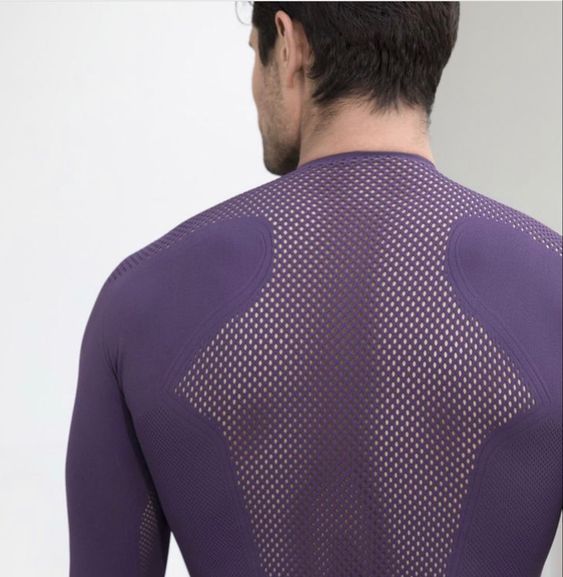
Created with sustainability in mind, Cifra’s WKS technology ensures zero textile waste during fabric production and the available yarns include premium nylon 6.6 as well as pre- and post-consumer recycled yarns – both of which are mixed with a recycled elastomer to ensure stretch for sustainable garments, the company told WTiN. The recycled yarns used include Radici Group’s Renycle, a 100% recycled nylon 6 (PA6) yarn made from post-industrial production waste, which saves over 87% of energy and 90% of water compared to the manufacturing of a virgin polymer PA6.
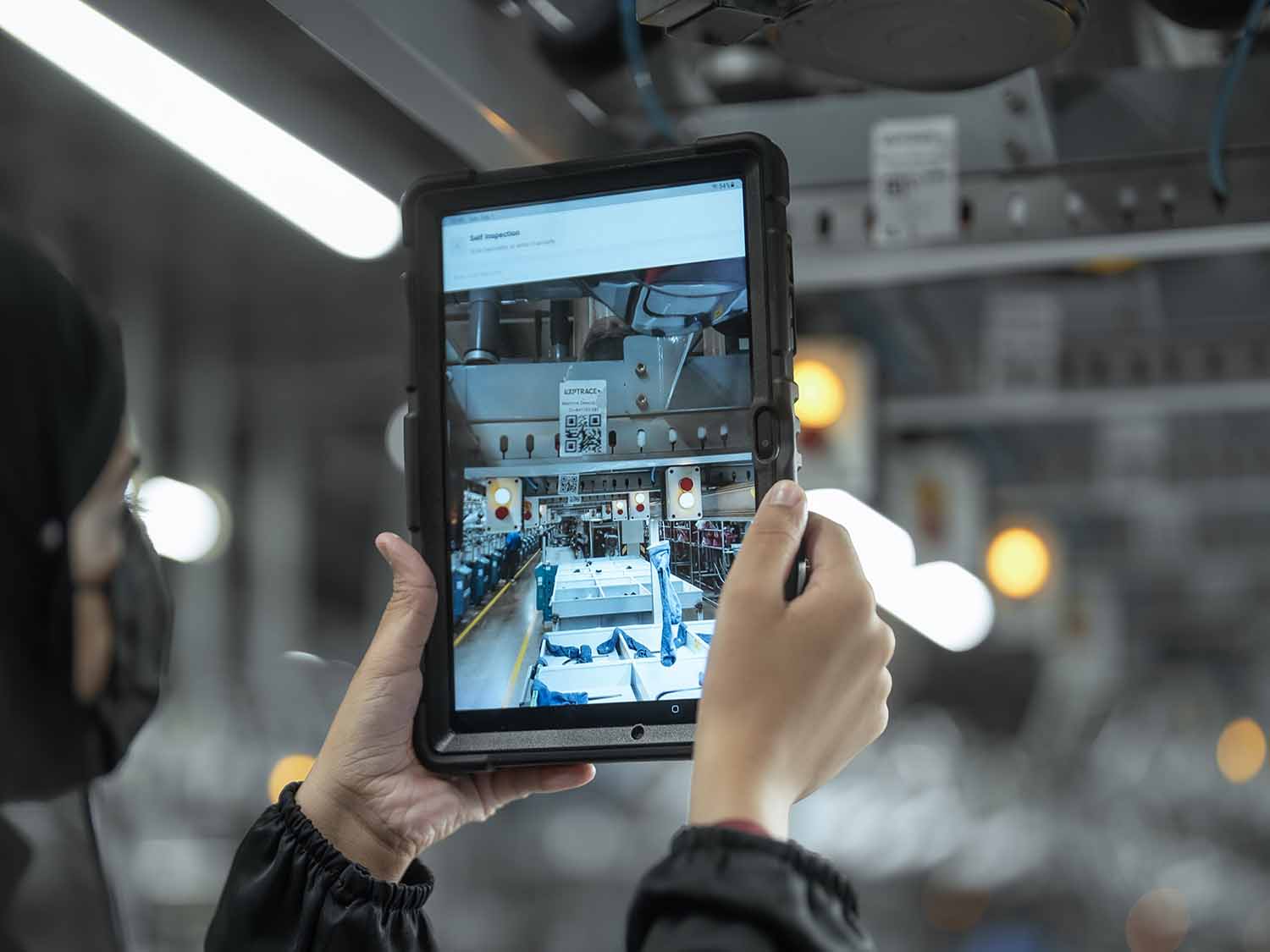
In other news, digital innovation is a major part of creativity in the knitwear sector at present and one good example is CREATE. This is a new design software for flat-knitted goods that signals how to digitise the design and development of knitwear. Stoll, now a German subsidiary of the Switzerland-based Karl Mayer Group and producer of flat knitting machines, has teamed up with KM.ON – another Karl Mayer division and a specialist in software, digital solutions and services for the textile industry – to innovate knitwear production.
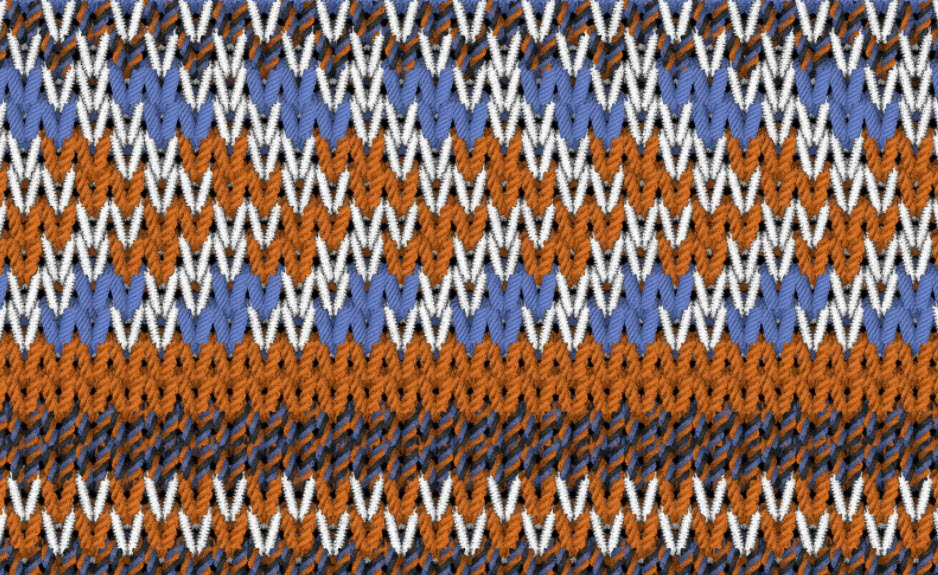
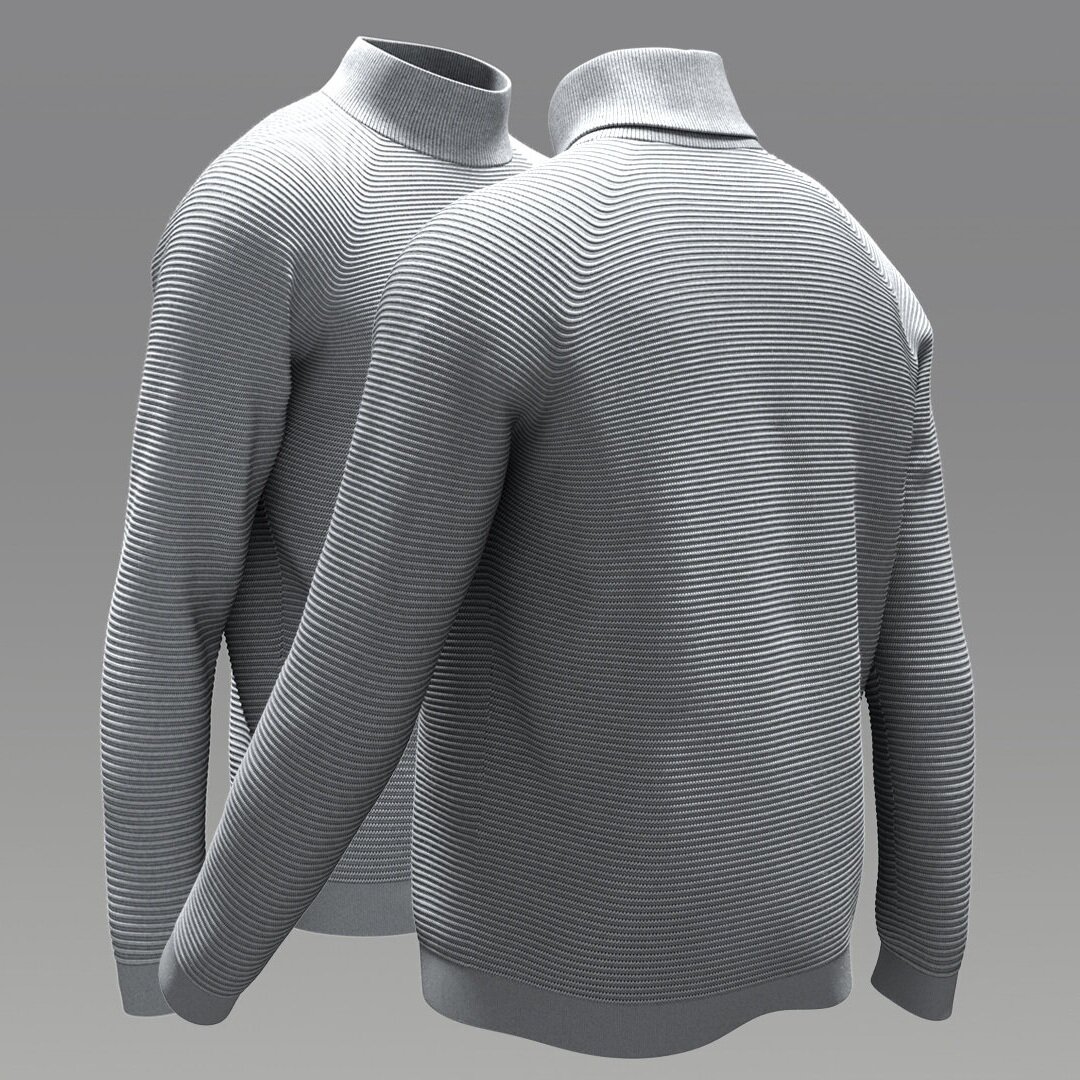
CREATE is part of KM.ON’s k.innovation initiative, which focuses on speeding up the design-to-market workflow. The software aids digital shape creation and grading to customise knitwear shapes, digital stitch development and digital yarn creation that facilitates assessing different types and colours of yarns without having to scan them. Technical checks to reduce the iteration cycle with suppliers and for artwork approval are also possible. CREATE data can be exported for use in simulation with any 3D software. For instance, shapes can be sewn together to create a virtual garment, stitches can be simulated and digital yarns used for a ‘realistic knitwear simulation,’ according to Stoll. Finally, CREATE is linked to production and can aid machine programming.
Christof Naier, president of the warp knitting business unit at Karl Mayer, says: “We now have a newly developed platform that allows us to communicate with our customers in the simplest and most targeted way.”
He adds: “Thanks to networking solutions, we already have all the necessary information about the machine on the screen, have access to the current log file and can hence provide instant support.”
The company also provides customers with access to all warp knitting-related knowledge available at Karl Mayer to “ensure maximum productivity and reproducible quality,” according to Naier.
Karl Mayer has also been innovative by offering predictive maintenance systems. Naier says when sensors think a warp beam will soon need to be exchanged, “the machine will automatically send a warning signal to the operator’s mobile phone.”
The company also offers software to enable innovative designs. Naier says: “The new technology has made it very easy for our customers to develop patterns collaboratively with their global partners all over the world. Karl Mayer guarantees the highest level of data and IT security for our customers – including their subsidiaries and partners – when using any of these services.”
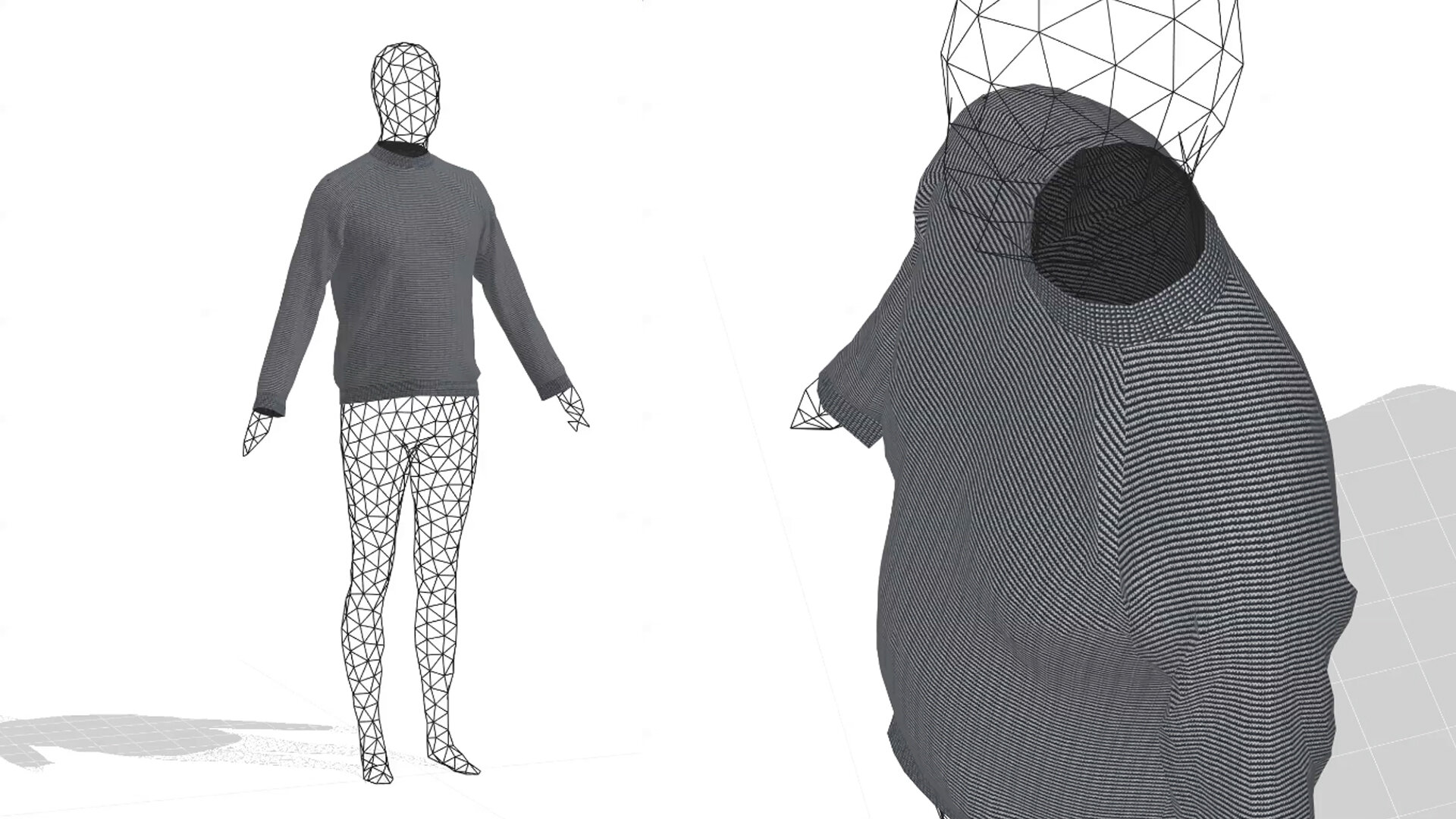
Another digital innovator is Cobalt Knitwear. With offices in Salford (UK) and Hong Kong, it is digitising the supply chain with its focus on eliminating sampling and thus waste. Its virtual sampling service enables designers and producers to digitally visualise a design on screen with access to amend in real-time. The 3D visualisation system uses an archive of actual stitches and yarns enabling clients to assess styles and fits. The whole process is designed to end the need for physical samples, reducing waste.

The company also uses an environmental assessment tool that compares the carbon footprint of raw materials and factories, enabling them to select more sustainable suppliers. Speaking at the Fashion Summit held in October 2021, the company’s chief operating officer (COO) Roger Chan spoke about how digitisation will be increasingly important to aid business continuity after the Covid-19 pandemic. With ongoing logistical disruptions making regressing to a model built on multiple rounds of physical samples impossible, Chan said craftsmanship and the digitalisation of fashion work hand in hand and contested the idea that digital processes displace employees.
The company now works with a joint venture it has established with Hong Kong-based sourcing giant Li & Fung and Hong Kong-based Knitup – a business offering improved digital visualisation processes, delivering millions of representations of colours, stitching and yarn types to designers. Knitup claims its systems enable an entire new knitwear garment able to be designed and produced within three weeks.
Such innovative kudos can also be seen at the Netherlands-based New Industrial Order, a laboratory for developing fashion on demand systems with a focus on 3D knitwear. Founder Rosanne van der Meer says: “We see a beautiful future for the knitwear and 3D knitwear markets in Europe.”
She adds: “Within a decade, we can have a financially healthy and carbon neutral ecosystem of local SMEs: designers, brands and production points, offering premium knitwear that is sold before it is made.”
Van der Meer created the Knitcloud platform (currently a beta version) for 3D printed knitwear that connects knitwear orders to available knitting capacity worldwide and can also provide virtual samples. She says her company’s job is to ‘balance’ environmental and societal concerns “with the public’s desire for affordable and great clothes.”
Elsewhere, she argues 3D knitwear on demand does not need to compete with mass production, because “in the end, mass production is going to disappear. In the meantime, we are developing a system that is future-proof. Focusing on the competition is not very useful, or we’d be short-sighted.”
Order-made 3D knitwear will always be slightly more expensive than mass-produced items, she says, which is why New Industrial Order is currently concentrating on the luxury segment.
Knitwear innovation is not only at the design and manufacturing phase of product development, of course — it can also be found in raw material sourcing. Australia’s wool production sector, for example, has been forced to innovate with its output hit by years of drought, compounded with logistical and sales upheaval caused by Covid-19.
As a result, Australian Wool Innovation (AWI), a not-for-profit company funded by woolgrower levies, is pushing several innovative projects, including helping woolgrowers better manage the lethal sheep disease flystrike. AWI has recently approved an extra AUD650,000 (US$475,000) in funding to fast-track the development of a commercial vaccine. The research is conducted by Australian research agency CSIRO (Commonwealth Scientific and Industrial Research Organisation) and the University of Melbourne, which so far has received AUD3.15m (US$2.3m) in funding from AWI for this task.
A second innovation under development is a modular sheep delivery unit to ease delivering sheep to their shearer, minimising injury to shearers and sheep while also maximising productivity with significantly reduced handling times. Portable singular shearing stands can be joined together to make a multi-stand shearing platform, which can be stored after use.

The AWI has also been encouraging the use of 3D printing technology by Australian manufacturers producing fabrics made from Merino wool. Birgit Gahlen, AWI’s research and development manager for Europe, says: “3D printing directly onto a base material of Merino wool enables endless new visual possibilities, dynamism and movement, while still retaining the supreme comfort, wearability and performance of the fibre.”
In addition to developing complex shapes, designers can incorporate a wide variety of colours or can create visual appearances such as enigmatic shimmer effects when the garment moves on the body, she adds.
With such widespread innovation, the knitwear sector is putting itself in a good position to emerge successfully from the Covid-19 pandemic, ready to diversify and adapt to changing tastes and technological opportunities.