Contents
6. Product development strategy
6.2.1. House of Holland
6.2.2. BEAMS
1. Company overview 
A prevalent name within the world of swimming, Speedo has an established history as an innovator within the sport. Established in 1910 by Alexander MacRae in Sydney, Australia, the brand is credited with the development of the first non-wool swimming costume in 1927 which debuted the now prevalent racerback cut. The brand has since remained at the forefront of the swimming space, making several significant, if not controversial, contributions to the evolution of sport that are attributed to a substantial number of medal wins: at the Beijing 2008 Olympics, athletes wearing Speedo represented 98% of the total awarded medals, a trend that reflects in other former Games, including the 1996 and 2000 editions (SwimSwam, 2019; Swimming World, 2012).
In 1990, Speedo was purchased by UK-based Pentland Group, a privately-owned global company which, since its founding in 1932, has developed an extensive portfolio of notable brands within the sport, fashion, and outdoor retail sectors. Employing over 20,000 people, the group operates through three core divisions: Pentland Brands; Pentland Investments; and JD Sports Fashion (Pentland Group, 2017). Managed under the Pentland Brands business, Speedo is nestled among the likes of other notable performance and outdoor brands, such as Endura, Berghaus and Canterbury - which all strategically cater to differing and specific sporting and activity fields.
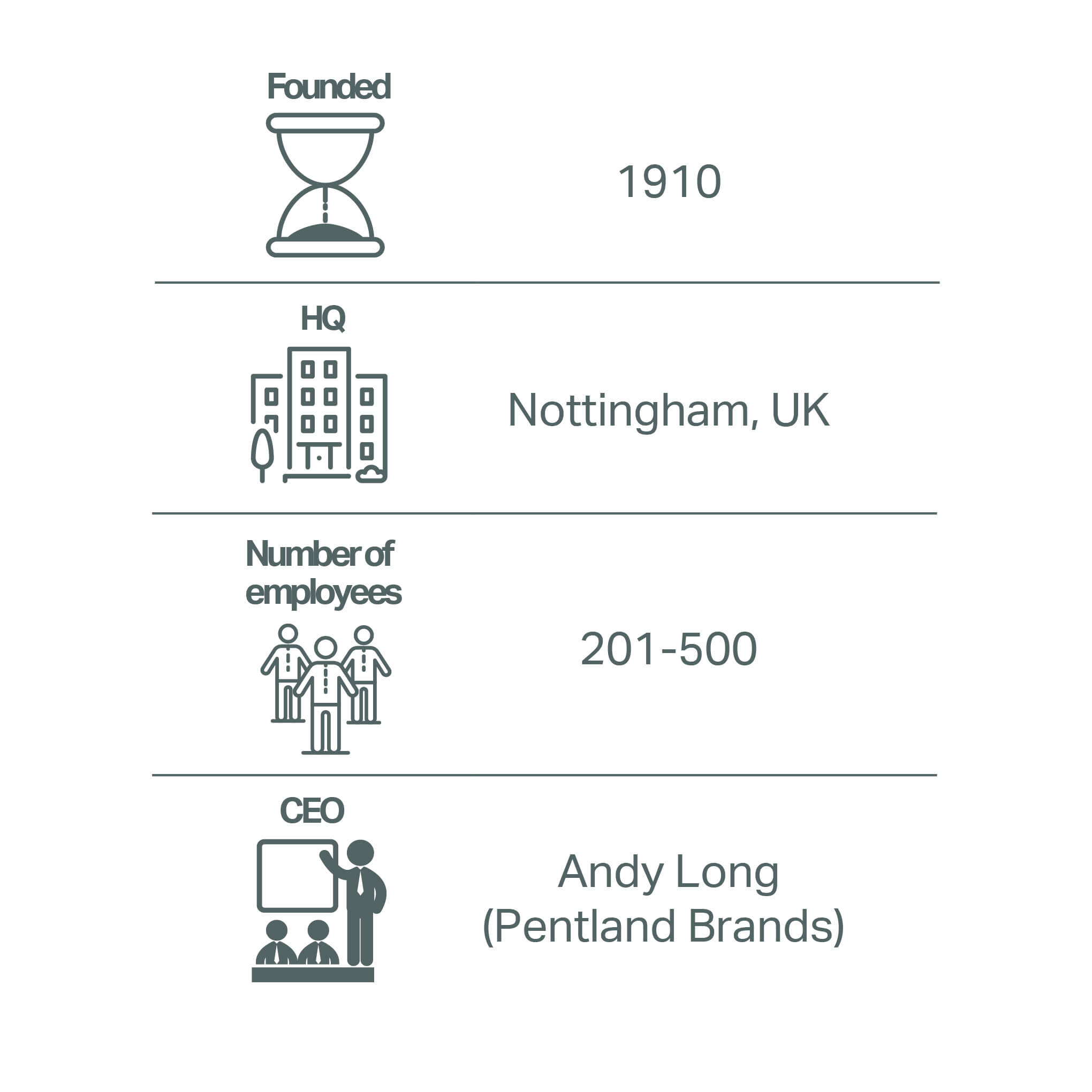
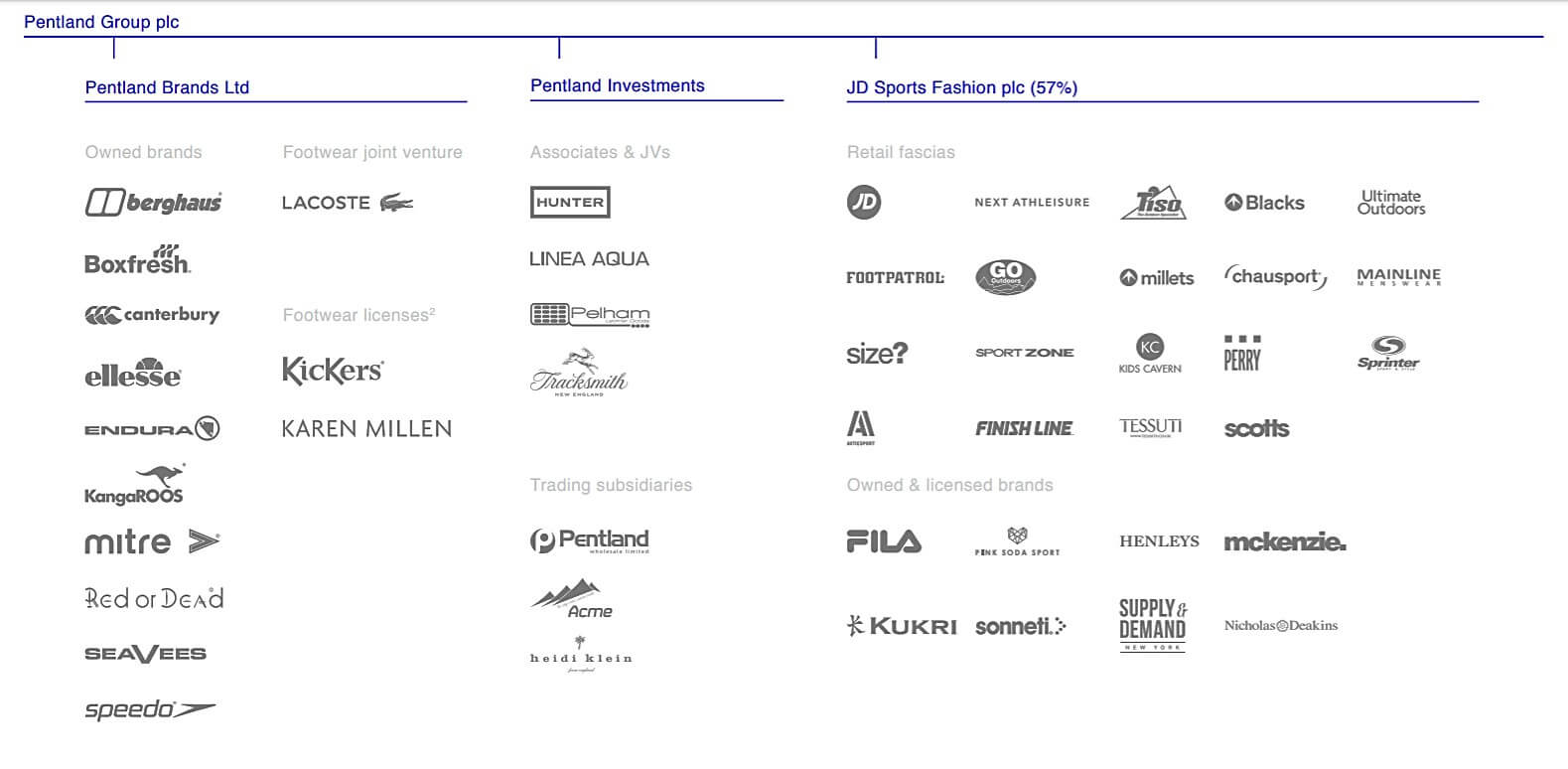
Figure 1: The three core businesses under the Pentland Group, which present a comprehensive engagement with sporting, fashion and outdoor retail environments. Source: Doing Business Better – Pentland Group 2017 Corporate Responsibility Review, 2017
In 2019, Pentland Brands introduced the position of chief marketing officer to amalgamate strategy, product, and marketing across its portfolio, with the ambition to encourage more comprehensive and holistic international growth (Stewart, 2019). To further strengthen the Speedo brand specifically, in early 2020 Pentland Group acquired Speedo North America from PVH Corp, compounding all segments of the Speedo business under one operator (George, 2020). The deal, completed at US$170m (subject to working capital adjustment), is positioned to exploit the potential of the upcoming 32nd edition of the Olympic Summer Games with a synchronised global strategy; a move which may enrich Speedo’s vast number of Olympic and Paralympic team and athlete sponsorship agreements (Halliday, 2020; Lockwood, 2020).
2. Financial performance
Reflecting on its annual 2018 performance, Pentland Group posted total group revenue growth of 39% from 2017, closing at GB£5.1bn (US$6.3bn) (Robinson, 2019). It follows the announcement of a 9% increase in operating profit to GB£411m (US$505m) and a substantial 31% increase to group net assets, accounting for GB£1.7bn (US$2bn) (Singh, 2019).
Pentland Group acknowledges the trading performance of JD Sport Fashion as a major contributing factor to the positive performance displayed in FY 2018, delivering record results sparked by factors such as substantial store openings and business acquisitions, such as that of Finish Line, an American sportswear retailer (Singh, 2019). Nevertheless, despite the group’s firm focus on expanding its retail division, the entities under Pentland Brands remained vital to the group’s operations. Specifically, Speedo’s contribution to the trading success was positive, surpassing its 2017 turnover of GB£107.1m (US$131.63) with a 3.6% increase to GB£111m (US$136m), meeting performance expectations (Robinson, 2019).
Nevertheless, as with the wider retail and textile & apparel sectors, financial results for FY 2020 are likely to be impeded by the ongoing Covid-19 disruptions. Speedo withdrew ordering capacity on many of its ecommerce sites to protect the wellbeing of its workforce – only resuming full store functionality on its UK site in late May. In addition, the closure of dedicated stores and swimming facilities is likely to have hampered physical retail performance, stalling both the accessibility and demand for products.
3. Operational geographies
In 2011, following heavy investment from Pentland, Speedo moved into a purpose-built, 43,000 sq ft space, which features a dedicated research & development facility in Nottingham. In 2018, Pentland Brands assimilated two of its other portfolio properties in Mitre and Canterbury into the space, encouraging a more holistic and multidisciplinary approach to innovation. Additionally, as part of a restructuring programme orchestrated by Pentland Brands, offices in Stockport and Wakefield were closed, and operations streamlined to the main hub in Nottingham – which employs around 200 people – as well as secondary locations, with its licensee management in London and Berghaus’ operations in Sunderland. As well as these core UK bases, as of 2019 Pentland Brands staffed 72 field-based and flexible location roles (Robinson, 2019).
Speedo states its products are available in 177 countries, spanning Europe, Asia, Africa, Australasia and North and South America (Inside Sponsorship, 2016).
3.1. Chinese market potential
By 2018, Speedo saw growing commercial success in China following the adoption of a direct-to-consumer model years prior. The efforts were largely fronted by a dedicated retail site, launched in 2016, which was attributed to a sales growth of 8% (This Is Money, 2018). The region shows particular promise for the swimming retail sphere, as engagement within the sport is reportedly observing growth; in 2019, interest in the sport is stated to have grown by 34%, contributing to the sport’s high participation rates ranking above the likes of table tennis, football and golf (Williams, 2019; Statista Research Department, 2018).
The site, which integrates an ecommerce infrastructure with brand content features and social media, is intended to capture the opportunity of the rapidly rising participation rates and growing swim market, which Speedo identified as being particularly prominent between 2016-2020 (Pentland Brands, 2016). The resulting brand commerce site reportedly took 18 months to commercially complete and required the input of domestic teams based in Nottingham and London, as well as those operating from Hong Kong and Shanghai (Santamaria, 2016). The launch of the dedicated site was also supplemented by Speedo’s concurrent sponsorship agreement with the Chinese national swimming team, a partnership that likely contributed to the brand’s commercial visibility in the region. The partnership, which renewed in 2013, was the continuation of terms established in 2009 and continued until 2017 (Sport Asia, 2013).
4. Production locations
In 2017, the wider Pentland Group was utilising 145 tier one factories globally to manufacture products across its brand portfolio (Pentland Group, 2017). To align with its wider supply chain and labour equality ambitions outlined in its corporate responsibility strategy, Pentland Group details each of these manufacturing partners in an open factory list, which is available through the company’s website. As well as disclosing the factory identity, location, product type and affiliated parent company, the list tallies the total number of workers including the percentage representation of male and female employees.
In addition to outsourcing, the group co-owns three factories: two located in Sri Lanka; and another in Vietnam (Pentland Group, 2017). Alternatively, a licencing model is adopted where appropriate, largely delegating supply chains responsibility to a licensee to produce and distribute products for the business’ brand portfolio. Regardless of avenue, as a full member of the Ethical Trading Initiative, Pentland Group must demonstrate a consistent and clear commitment to ethical trade, integrate ethical trade into its core business practice and resolve any issues which arise throughout the supply chain (Ethical Trading Standard, 2018). As such, the same responsibility falls to each of its brand properties, including Speedo.
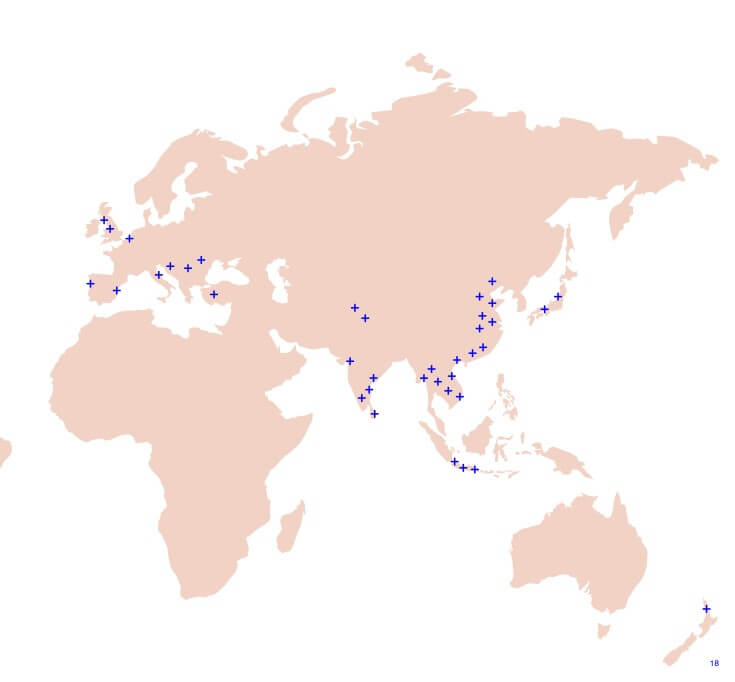
Figure 2: Pentland Groups’ production locations, 2017. Source: Pentland Group Corporate Responsibility Review 2017
5. Existing product portfolio
Retaining its core focus on swimwear and swim accessories, Speedo breaks down its men’s and women’s offering into four activity categories: triathlon and open water; leisure; fitness; and racing. Children’s items are less structured, following either leisure styles or performance pieces. In addition, the brand offers an array of swimming accessories, such as goggles, caps, towels, and footwear.
5.1. Core segments
Focusing on the core men’s and women’s offering across the activity segments, fitness-orientated apparel accounts for the largest share of Speedo’s total swimwear portfolio, representing 55% across both men’s and women’s apparel. While women’s swimwear within this category represents the larger segment, it may be influenced by the availability of both one and two-piece ensembles, which elevates the product count. Nevertheless, women’s stands as the major contributing segment of both fitness and leisure activity categories, at 56% and 65% respectively.
Figure 3: Product quantity across the Speedo’s activity categories. Source: Speedo UK ecommerce site accessed May 2020. *Items which feature in more than one activity filter have been counted as such.
Figure 4: Product offering per activity across both men’s and women’s categories. Source: Speedo UK ecommerce site accessed May 2020. *Items which feature in more than one activity filter have been counted as such.
The volume of womenswear options – especially within the fitness and leisure spheres – may have also been spurred by two collections unavailable within the menswear offering. The aesthetically driven ‘Mix & Match’ and contoured fit of Speedo’s ‘Sculpture’ collection both contribute to a greater product variation.
Mix & Match – a collection of multiple cuts and styles in the same colourway, providing the consumer the opportunity to pair coordinating pieces with greater variation. One of the sets currently available at the time of writing contains nine complementary pieces (Speedo UK ecommerce site).
Sculpture – items with enhanced fit features, such as bust support, stomach control and enhanced feminine shaping. Further information is available in Section 4.3.
Alternatively, the racing category has a greater constraint on suit styles, per restrictions imposed by water sport regulators such as FINA (Fédération Internationale de Natation). With only 15 men’s styles and 13 women’s, Speedo varies its product offering with differing material technologies and slight cut adaptations – such as back styles – rather than prioritising aesthetic design. The heightened technical focus is ultimately reflected in the elevated price points of items within the category, spanning regular retail pricing of GB£70-£299 (US$85-$365) for men’s and GB£126-£419 (US$153-$509) for women’s (Speedo UK ecommerce site, accessed May 2020). For comparison, the highest price point of the leisure category is GB£33 (US$40) for men’s and GB£65 (US$79) for women’s (Speedo UK ecommerce site, accessed May 2020). The category also contains items suitable for both pool and open water events, with apparel intended for the former articulating FINA product approval within its product description.
Linking closely, the final category, triathlon and open water – containing a number of the same items – has the most modest range of products. Nevertheless, the offering reflects the same product strategy as the former, with heightened attention given to technical capacity and function rather than purely aesthetic appeal.
5.2. Children's offering
Children’s swim apparel also appears to be a substantial category for Speedo, accounting for a total of 88 products (Speedo UK ecommerce, May 2020). Much like its adult offering, the core of its children’s swimwear is filtered between gender, with two activity segments allocating leisure and performance suitable ensembles. A product intended for ages 0-6 is displayed alternatively, combining all products with no additional filters.
To engage with the segment, Speedo has several collections utilising the imagery and branding of recognisable franchises, relevant to the targeted age groups. These currently include several Disney properties, such as Disney Frozen, Star Wars and Marvel. Aside from aesthetic appeal, through franchise use or imagery appealing to younger audiences, the assumed value of its children’s swimwear is further propelled by the use of specific materials, such as Creora HighClo and Endurance+, which reportedly prolong the quality of the garments and hold greater resistance to chlorine. In addition, a selection of items, often intended for outdoor use, feature UFP 50+ sun protection.
Figure 5: The product quantity split between boys, girls and ages 0-6. Source: Speedo UK ecommerce site accessed May 2020
5.3. Innovations
As well as the aforementioned categories, Speedo also differentiates products with differing technical profiles, encompassing material selection and design considerations. The innovation work of the brand is headed by the multidisciplinary Aqualab team, based in Nottingham, which compounds the fields of design and garment engineering with sports science, fluid dynamics and advanced testing protocols to generate innovative product outcomes (SwimSwam, 2019).
Currently, the brand highlights two apparel-centred innovations on its ecommerce site, both of which translate directly into dedicated commercial collections.
- Fastskin
A controversial line of material innovations, Fastskin was initially a development inspired by the efficiency and control of a shark through water. Employing the practice of biomimetics, Speedo’s Aqualab aimed to replicate the unique surface textile of the shark to evoke a similar performance profile. Significantly, when employed strategically across a suit, in consideration of the swimmer’s gender and stroke preference, the material has the capacity to reduce drag (up to 4%) and increase buoyancy. The compressive design of the suit also minimised muscle oscillation, potentially reducing the rate of fatigue (Science in the News, 2004).
The augmentation to a swimmer’s performance was made publicly apparent at the Sydney 2000 Olympics, which saw 83% of swimmers earn a medal having competed wearing the original Fastskin variant developed the same year. While other iterations of the range were developed and used prior to the LZR Racer, the affiliated medal wins accounted for even greater majority following its release; at the 2008 Beijing Olympics, 94% of gold winners and 98% of total medal earners were wearing the suit (SwimSwam, 2019). The highly competitive performance attributed to the LZR Racer and continued rate of record-breaking implored action from FINA, ultimately deciding to reduce a suit’s cut and thickness, ban non-textile suits and outlaw effects to increase buoyancy (OSCAS Innovations, 2012).
Despite the sudden negative impact on Speedo’s commercial performance, per the FINA ban in 2010, due to the illegality of the suit in competition and sudden abandonment of demand, the brand continued to innovate Fastskin, utilising the renown of the technology to launch future models suitable for both regulated professional circuit and grassroots swimming. The latest variant was released in 2019 for professional use at the Tokyo 2020 Games – Section 5.1 covers the neoteric Fastskin in greater detail.
- Sculpture
Alternatively, the Sculpture line somewhat divulges from Speedo’s performance agenda to deliver a women’s collection dedicated to delivering an enhanced fit. The brand worked to identify specific fit concerns through the collective biometric analysis of 5,400 women, before augmenting its findings to assemble the framework of the Sculpture range. Designed to provide universal shaping, the items within the collection each feature enhanced bust support, stomach control and all-over body shaping (Graafland, 2017).
While partially achieved with intentional pattern design, much of the swimwear’s shaping capacity is achieved through the use of ShapeComprex Ultra, a control fabric with pronounced stretch resistance, which assists in smoothing and complementing the natural form of the wearer (Speedo, 2020). Speedo also claims the use of Lycra Xtra Life offers greater resilience to chlorine degradation, reportedly retaining optimal product quality for twice as long as standard swimwear materials (Speedo, 2020). With price points currently between GB£40-£60 (US$49-$74), the Sculpture collection is positioned within the premium offering of Speedo’s leisure activity category (Speedo UK ecommerce site, accessed May 2020).
6. R&D trends and product development strategy
A brand synonymous with elevating the swimming circuit, Speedo is taking multiple approaches to extend its commercial reach while retaining its leading position in the racing sphere. Recent efforts to expand its practice in innovation have diversified into designing digital tools to enhance the retail experience of consumers, while elsewhere the brand is looking to develop its stance within the athleisure sphere, collaborating with the likes of House of Holland and BEAMS. More traditionally, however, Speedo maintains a rhetoric of continuous improvement, employing the research and development capabilities of its in-house Aqualab facility.
6.1. Olympic innovation cycle (200)
As well as highlighting the technical capacity of the Aqualab resource, Speedo frequently illustrates its close development partnership with its Team Speedo grouping of elite swimmers, coaches and clubs. This approach is especially prevalent within the formerly discussed Fastskin line, which identifies the brand’s peak range of performance swimwear. Neoteric models are routinely updated and developed in conjunction with affiliated athletes and teams, offering a plethora of user insight to effectively refine an item’s performance attributes.
A dedicated process, Speedo’s latest Fastskin models, intended for the now postponed Tokyo Olympics, reportedly spanned a development process of three years. During this period, the brand claims to have utilised 330 swimmers across four continents to assess and amend the design of both the Fastskin LZR Pure Intent and Pure Valor, resulting in over 200 prototype builds (Speedo, 2019). The insight collected even influenced aesthetic decisions, such as its original commercial colourways; the neon pink of phoenix red is applied to gravitate to users who are energised and empowered by bright visuals, while black reflects a more focused mood which may resonate with others (Vane, 2019).
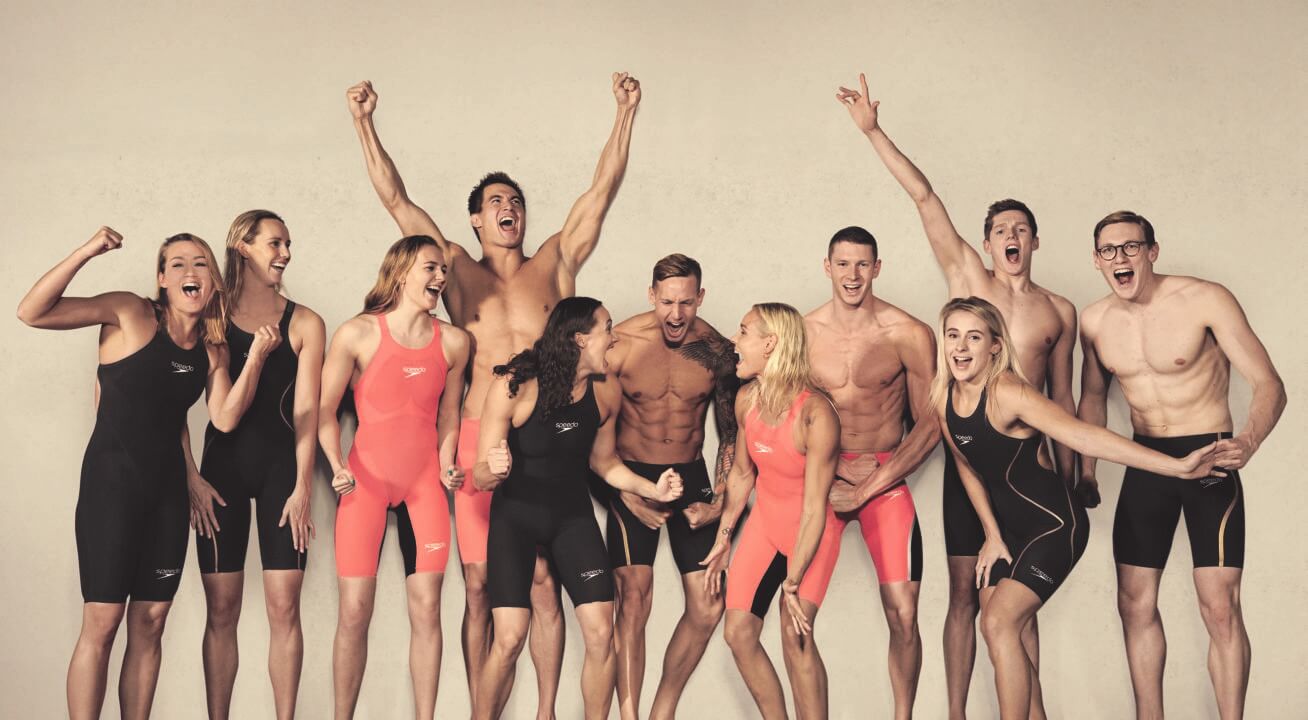
Figure 7: The original commercial colourways of the Fastskin LZR Pure Intent and Pure Valor swimsuit models. The consistent suit cuts across the range reflect FINA regulations. Source: Speedo
Ultimately, the suits diverge to each align with two differing, yet core performance profiles within swimming. The Fastskin LZR Pure Intent suit is designed to streamline the wearer, utilising compression as a tool to maximise power and speed outputs, while reportedly reducing drag. As such, the suit is specifically suitable for spirit and dynamic swimming action. Alternatively, the Fastskin LZR Pure Valor suit is augmented for longer race lengths, promoting both a greater range of movement and an enhanced stabilisation of the core, reducing the energy allocation to maintain correct positioning (Speedo, 2019).
The intensive development process, heavy utilisation of athlete feedback and bespoke approach to racing styles merge to synchronise with the midst of an Olympic build up. This has been a consistent release strategy of Speedo concerning its Fastskin line, as can be observed in Figure 9, which highlights a release on the approach to an Olympic Games every year since the Sydney 2000 event. The global platform acts as a stage to demonstrate the capacity of the advanced suits via elite swimming, with each suit having an affiliation with the medals earned or records broken while being worn. Ultimately, the performance of each suit, and those wearing them, offer a considerable coverage platform cementing each Fastskin edition within the elite racing sphere, as well as promoting the suits commercially at grassroots and amateur levels.
Figure 8: An overview of the Fastskin release timeline. Dark colouration indicates years where an Olympic Games was hosted/ due to be hosted. As can be observed, Speedo often commercially releases a Fastskin variant in the months or year prior to an Olympics to maximise its marketing weight. Sources: Swim Swam, 2019; OACAS Innovations, 2012
Reflecting on the historic reoccurring development cycles tracing the Olympics, developments on the next era of Fastskin suits may commence within the next several years, launching prior to the 2024 Paris Olympic Games.
6.2. Athleisure expansion
As well as maintaining its leading position within the sports performance sphere, Speedo has engaged with several contemporary fashion houses in recent years, heightening its profile in otherwise less tended apparel spheres. It follows the influx of performance-orientated sports brands engaging with designer category players in recent years, such as 2XU’s latest partnership with Yeezy and Rapha’s most recent collaboration with Paul Smith in 2018 and 2019, respectively. As is often the design direction employed in these cases, Speedo’s collaborations extract the technical and functional expertise of the brand while aesthetics are largely influenced by the collaboration partner.
6.2.1. House of Holland
Releasing two separate capsules within 2019, Speedo’s collaborative partnership with House of Holland coincides with the former spring/summer 2019 and more recent resort 2020 collections from the design house. The result is a distinct aesthetic which differentiates from Speedo’s in-house offering; nevertheless, the items retain an athletic cut maintaining the sporting functionality expected of the performance brand.
Perhaps core to the close integration with House of Holland’s main line collections, the collaboration consisted of many multipurpose pieces appropriate for both casual and sporting wear. The styling emphasis was previewed in a collaborative catwalk collection debuted in late 2018, combining fashion-orientated pieces with Speedo-produced bodysuits and swimwear elements (Leitch, 2018). The ensembles and event were then utilised by Speedo in marketing efforts to build awareness of future mass market releases. The athleisure styling carried through into the collaborative commercial offering, containing less conventional swimwear silhouettes, such as cycling shorts, as well as athletic-styled crop top and swimsuits intended for both casual sportswear layering and swim use.
A sustainable effort was also made across both capsule releases, with several of the affliated items constructed with materials sourced from ocean waste, specifically discarded fishing nets (Speedo, 2019). The consideration of sustainable choices reflects the efforts and ambitions of the wider Pentland Group, which will be discussed in depth in Section 7.
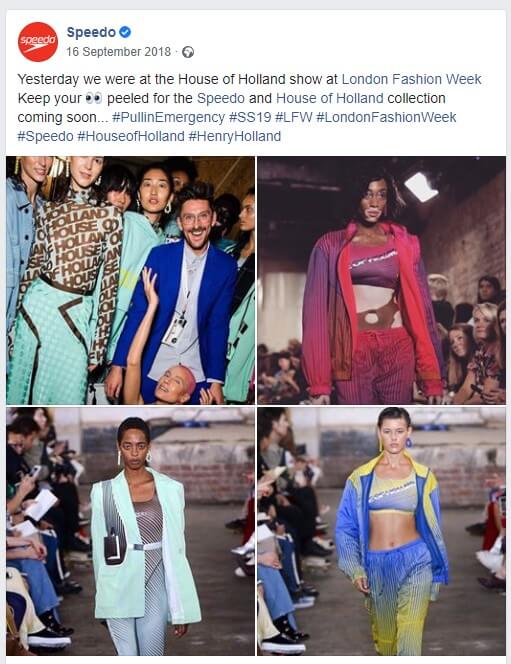
Figure 9: Speedo utilised the coverage and initial collaboration to emphasis its future collection with the design house. Source: Speedo, Facebook
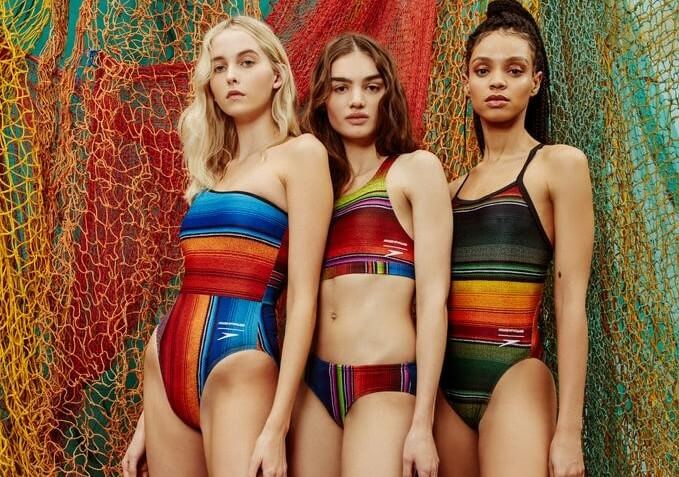
Figure 10: The first collaboration between the brands was released in May 2019. The collection drew motifs and colour from the S/S 2019 House of Holland range. Source: Pentland Group
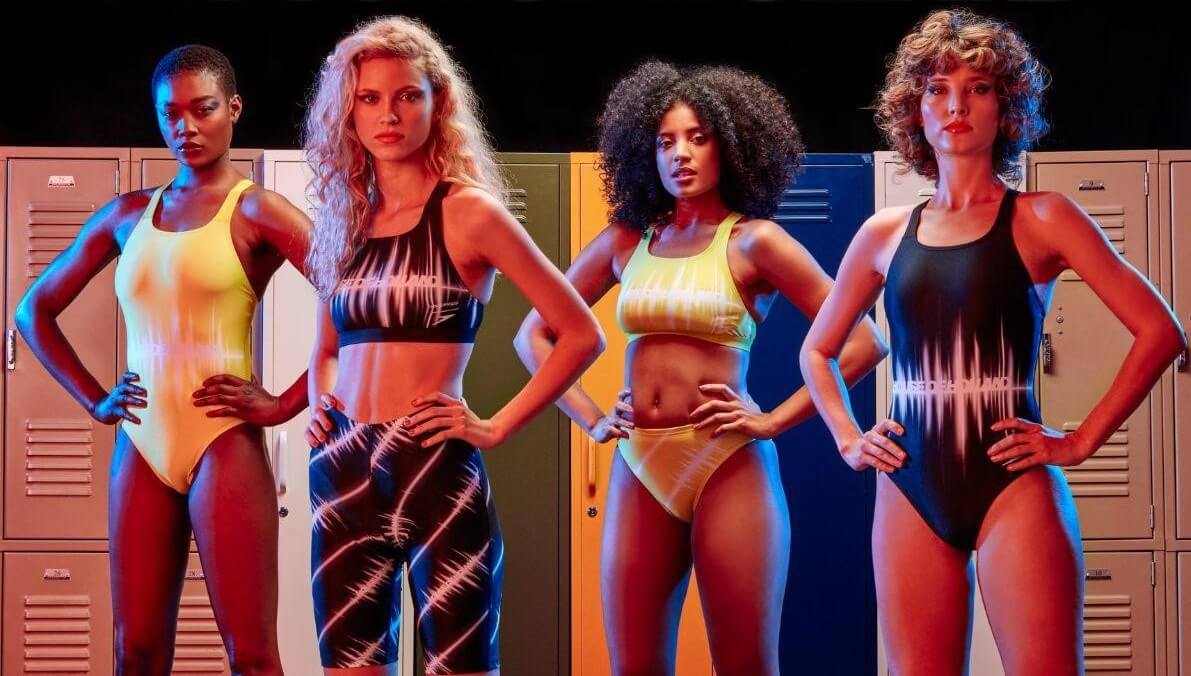
Figure 11: The second collection bore an energetic 70s and 80s aesthetic, and was reported pursued due the commercial success of the prior collaborative venture. Source: Pentland Group
6.2.2. BEAMS
Any future collaboration with House of Holland may be disrupted by news of the design house’s recent administration following trading difficulties in 2020 (Butler, 2020). However, Speedo also partnered with contemporary Japanese label BEAMS in 2019 for a summer capsule collection alluding to a varied approach to collection partnerships.
The collection, containing T-shirts, hats, caps and swimwear, exploited the technical offering of Speedo, with several of the products making use of LZRPulse and Laser Pulse Plus material technologies (BEAMS, 2019). Again, multifunctionality is proposed as core to the collection, with the items deemed suitable for multiple settings such as ‘the pool, the sea, and the outdoors’ (BEAMS, 2019). Pertaining to the BEAMS aesthetic and compatibility with urban apparel, the selected palette is simplified in black and white aside from the Pulse Short offering, which differentiates with three bold colourways. In addition, BEAMS asserts the collection makes use of an exclusive brand styling, influenced by a historic variant of the Speedo logo, highlighting its extensive heritage; an approach to sportswear branding which has gathered momentum in recent years as the streetwear category has emerged and refined. Collaborations within the category with other heritage players, such as Fila and Champion, adopt a similar emphasis on ‘authenticity and legacy’ which can build brand awareness among younger consumers while familiarising more established demographics (Harilela, 2019).
A limited collection, its availability was restricted to four BEAMS stores and five Neutralworks Tokyo locations all located within Japan. Nevertheless, the collaboration captured the attention of specialist media outlets, such as Hypebeast, who caters to the streetwear and luxury fashion space, which granted global exposure.
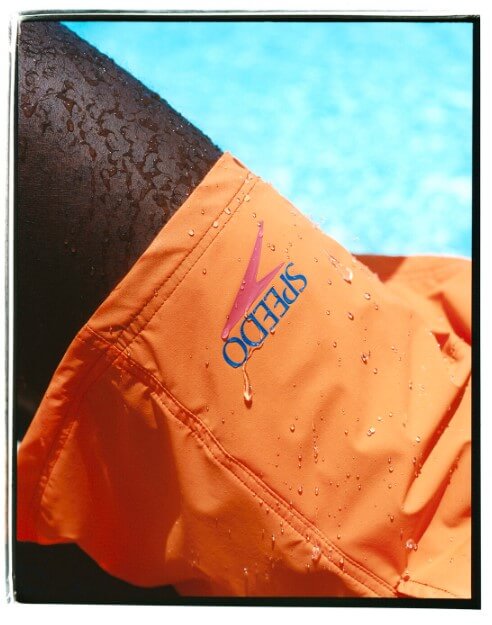
Figure 12: The exclusive logo design utilised within the Speedo x BEAMS collaboration draws influence from a 1980’s variant of Speedo branding. Source: BEAMS
6.3. Adopting digital consumer-facing tools
Elsewhere, to bolster its retail experience, in late 2019 Speedo developed an augmented reality tool to enhance the shopping experience of consumers both in-store and remotely. The application, named Speedo Mirror, optimises the technology of Apple’s Face ID and its own proprietary solution to generate personalised goggle recommendations (Speedo, 2019). Devised through the user’s facial biometrics captured via 3D scanning, the app highlights a selection of models most compatible with the user’s face shape. Additional filters, such as colour and activity segment, help further refine the suggestions to ease the browsing experience. Each model can then be selected and viewed in real time, through a superimposed AR interpretation of the goggles.
Each pair of goggles has been captured with a consideration of multiple viewing angles, offering a visual replication responsive to user movement. Critically, the app also facilitates transactions, offering a seamless browsing to purchasing process – the first of its kind for Speedo (Stevens, 2019). To refine the software, Speedo completed a two-month period of user trialling, reportedly utilising 3,500 users and testing a total of 30,000 pairs of goggles (Stevens, 2019).
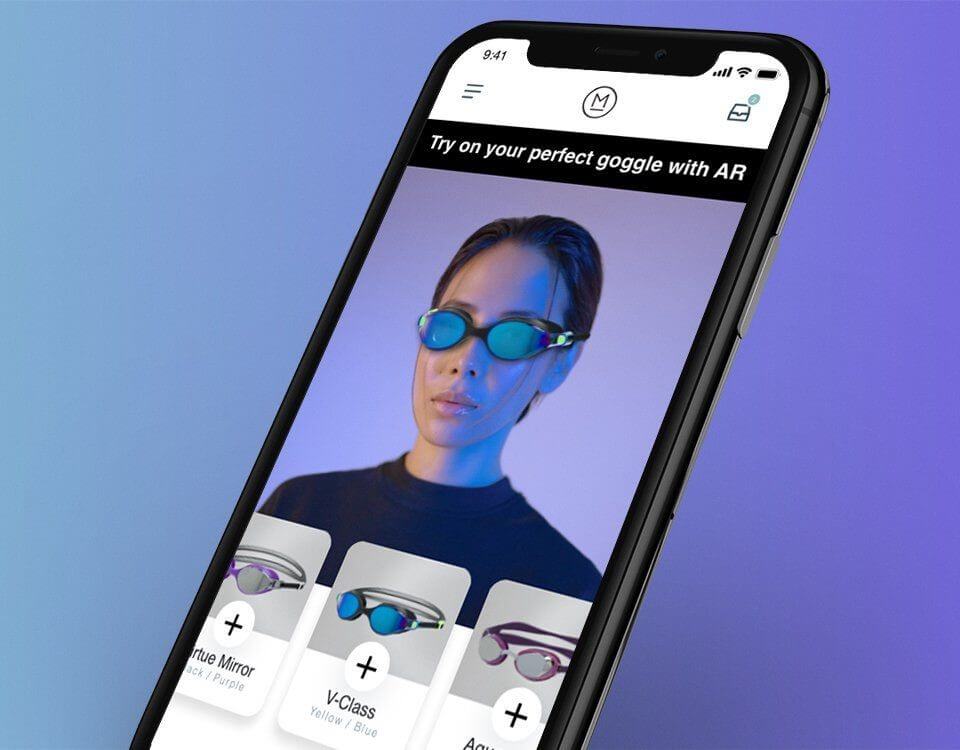
Figure 13: A promotional image for Speedo Mirror, a digital tool designed to enhance the consumer experience. Source: Speedo
While currently just applicable to its swimming goggle offering, the then head of innovation at Pentland Group, Ben Hardman, believed it to be a “great example of how we’re combining digital and product innovation in our brands”, acknowledging Speedo’s ethos of innovation translating into an emerging digital offering (Stevens, 2019). While the brand has also produced mobile apps intended to supplement user training, Speedo Mirror is retail focused, enabling consumer groups to engage with products both in-store and online. Such experiences may also contribute to an overall enhanced visitor experience in-store, complementing the direct-to-consumer model Speedo is adopting in specific regions, as discussed prior. Nevertheless, with an expected CAGR of 38.8% between 2018 and 2025, AR application within retail is forecast to grow exponentially in the coming years, closing the period with an estimated value of US$11.4bn (Markets and Markets, 2019). With AR software also expected to become one of the leading segments during the forecasted term, the adoption of consumer-facing applications may generate the capacity and interest for Speedo to further develop alternative uses.
7. Sustainability
Speedo’s sustainability efforts are propelled by the overarching corporate responsibility agenda of the Pentland Group, which deploys a great number of strategies to address an array of social, environmental and ethical concerns.
The agenda is largely influenced by the UN Global Compact, of which is the group is a signatory, with specific attention given to the comprehensive UN Sustainable Development Goals. While comprising 17 total objectives, the Pentland Group has shaped its current corporate responsibility strategy specifically around six goals, which translate into three pillars of its outlined strategy (Pentland Group, 2017).
In addition to aligning its corporate efforts with universal initiatives, the group also heads several independent programmes. For instance, Pentland Group established the Pentland Centre for Sustainability in Business at Lancaster University in the UK. A research hub, the centre is equipped to develop real-world, practical solutions to social and environmental issues through a transdisciplinary and interconnected working approach.
Nevertheless, the group’s holistic approach to corporate responsibility is intended to ensure replication in all divisions of its business. In the case of Speedo, much like the other entities within the Pentland Brands portfolio, there is a heightened focus on minimising the negative outcomes of product manufacturing. Within this focus, the brand looks both directly at the product and the setting of production when devising appropriate sustainability solutions.
Figure 14: The three pillars of Pentland Group’s corporate responsibility strategy. Source: Pentland Group
Relying heavily on synthetic materials for the manufacture of swimwear apparel, Speedo has gradually transitioned its supply chain to centre on recycled fabrics, claiming that by 2020 93% of its water shorts would have recycled compositions; the remaining 7% are due to utilise a material which is responsive to less intensive dyeing methods, resulting in less water, energy and chemical usage (Speedo, 2019). The use of Econyl – a nylon material manufactured from recovered fishing nets, plastic waste and home textiles such as carpets – is employed through the brand’s H20 Active range, with the intention of expanding the use of recycled yarns into additional collections (Pentland Group, 2017). Speedo also highlights its Oeko-Tex accreditation of all ranges, bar its premium performance Fastskin range, qualifying the majority of its commercial offering free from a comprehensive list of harmful chemicals. Elsewhere, the brand is also committed to reducing its use of perfluorinated compound waterproofing solutions, transitioning to more PFC-free options over time – an ambition shared by fellow Pentland Brands label, Berghaus (Pentland Group, 2017).
Alternatively, to reduce the impact of manufacturing and retail, Speedo comprehensively and routinely reviews the efficiency of the processes in place. In 2019, the brand claimed to have reduced the electricity consumption of a factory by 30% through transitioning all lightbulbs to LED variants, while elsewhere, another factory was able to condense its water usage by 66% (Speedo, 2019). As well as working with manufacturing partners directly, the brand claims to also reflect on the logistical impacts of its products. Conclusions here encouraged Speedo to primarily employ sea or road transit in the delivery of goods, where possible, to incur a lesser environmental cost when compared to air couriers (Speedo, 2017).
References
To collect data for analysis of company profiles we use a wide range of data and information sources as follows:
- Company website
- News websites
- Press releases
- Social media
- Corporate reports
And for this specific profile, we have also used the following:
BEAMS (2019) Speedo × BEAMS Collaboration Collection. Available at: https://www.beams.co.jp/special/harajuku/news/2019/07/808/ (Accessed: 20 May 2020).
Butler, S. (2020) ‘Henry Holland’s fashion label goes into administration’, The Guardian, 5 March. Available at: https://www.theguardian.com/fashion/2020/mar/05/henry-holland-fashion-label-goes-into-administration-house-of-holland (Accessed: 20 May 2020).
Caraan, S. (2019) BEAMS x Speedo Collaboration Release, Hypebeast. Available at: https://hypebeast.com/2019/7/beams-speedo-collaboration-release-lookbook (Accessed: 18 May 2020).
de George, M. (2020) ‘Speedo North America Acquired by Pentland Group for $170 Million’, Swimming World Magazine, 10 January. Available at: https://www.swimmingworldmagazine.com/news/speedo-north-america-acquired-by-pentland-group-for-170-million/ (Accessed: 26 May 2020).
Etchells, D. (2016) Speedo unveils latest versions of Fastskin LZR Racer swimsuits ahead of Rio 2016, Inside the Games. Available at: https://www.insidethegames.biz/articles/1037441/speedo-unveils-latest-versions-of-fastskin-lzr-racer-swimsuits-ahead-of-rio-2016 (Accessed: 25 May 2020).
Ethical Trading Initiative (2018) The ETI Base Code.
Graafland, A. (2017) ‘6 reasons why Speedo Sculpture swimwear collection is our top poolside choice this summer’, Mirror, 15 June. Available at: https://www.mirror.co.uk/3am/style/celebrity-fashion/6-reasons-speedo-sculpture-swimwear-10622712 (Accessed: 27 May 2020).
Halliday, S. (2020) Speedo owner Pentland to buy brand’s North American ops from PVH, Fashion Network. Available at: https://ww.fashionnetwork.com/news/Speedo-owner-pentland-to-buy-brand-s-north-american-ops-from-pvh,1173802.html (Accessed: 26 May 2020).
Harilela, D. (2019) ‘From Champion to Fila – why retro brands are here to stay thanks to streetwear movement’, South China Morning Post, 13 August. Available at: https://www.scmp.com/lifestyle/fashion-beauty/article/3022385/champion-fila-why-retro-brands-are-here-stay-thanks (Accessed: 20 May 2020).
Inside Sponsorship (2016) EP 14 - Inside Sponsorship - James Hickman, Inside Sponsorship. Available at: https://blog.koresoftware.com/podcast/inside-sponsorship-james-hickman-speedo-international (Accessed: 27 May 2020).
Leitch, L. (2018) ‘House of Holland Spring 2019 Ready-to-Wear Collection’, Vogue, 15 September. Available at: https://www.vogue.com/fashion-shows/spring-2019-ready-to-wear/house-of-holland (Accessed: 19 May 2020).
Lockwood, L. (2020) PVH Completes Sale of Speedo North America Business to Pentland Group, WWD. Available at: https://wwd.com/business-news/mergers-acquisitions/pvh-completes-sale-of-speedo-north-america-business-to-pentland-group-1203555261/ (Accessed: 26 May 2020).
London.Stevens, B. (2019) Speedo launches AR app so you can virtually try on goggles. Available at: https://www.chargedretail.co.uk/2019/09/10/speedo-launches-ar-app-so-you-can-virtually-try-on-goggles/ (Accessed: 20 May 2020).
OACAS Innovations (2012) FINA Ban - Speedo Fast Skin LZR Racer, OACAS Innovations. Available at: https://oacasinnovations.weebly.com/fina-ban.html (Accessed: 27 May 2020).
Pentland Brands (2019) Pentland Brands / Timeline. Available at: https://pentlandbrands.com/timeline/ (Accessed: 18 May 2020).
Pentland Group (2017) Doing Business Better - Pentland Group 2017 Corporate Responsibility Review. Available at: https://pentlandbrands.com/wp-content/uploads/2018/10/Pentland-CR-Report-2017.pdf.
Robinson, D. (2019) ‘Inside Speedo’s Nottingham HQ where Michael Phelps’ Olympic-winning swimwear was made’, Nottinghamshire Live, 20 May. Available at: https://www.nottinghampost.com/news/nottingham-news/inside-speedos-nottingham-hq-michael-1231815 (Accessed: 27 May 2020).
Robinson, J. (2019) ‘Turnover and profits rise for Speedo’, Insider Media, 8 October. Available at: https://www.insidermedia.com/news/midlands/turnover-and-profits-rise-for-speedo (Accessed: 28 May 2020).
Robinson, J. (2019) ‘Turnover and profits soar at retail giant | Insider Media’, Insider, 8 July. Available at: https://www.insidermedia.com/news/national/turnover-and-profits-soar-at-retail-giant (Accessed: 28 May 2020).
Santamaria, B. (2016) Speedo launches Chinese website as local swimwear market growths, Fashion Network. Available at: https://us.fashionnetwork.com/news/speedo-launches-chinese-website-as-local-swimwear-market-growths,720484.html (Accessed: 26 May 2020).
Science in the News (2004) Swim Like a Shark. Available at: http://www.scienceinthenews.org.uk/contents/?article=8 (Accessed: 27 May 2020).
Singh, P. (2019) Pentland Group annual revenues jump 38.9 percent, Fashion United. Available at: https://fashionunited.uk/news/business/pentland-group-annual-revenues-jump-38-9-percent/2019070444071 (Accessed: 19 May 2020).
Speedo (2017) Speedo’s Responsibility. Available at: https://www.speedo.com/uk/en/responsibility.html (Accessed: 27 May 2020). Speedo (2019) Our Commitment to Sustainability. Available at: https://www.speedo.com/uk/en/explore/blog/technology/our-commitment-to-sustainability.html (Accessed: 27 May 2020).
Speedo (2019) Facial recognition | Technology. Available at: https://www.speedo.com/uk/en/speedo-mirror.html# (Accessed: 20 May 2020).
Speedo (2019) Record-breaking Swimwear: Fastskin LZR Pure. Available at: https://www.speedo.com/on/demandware.store/Sites-spdeueur-Site/SPD%3Aen_GB/GeoShow-Content?cid=338c8fc3-18c4-402f-9d41-d4257c5644da (Accessed: 27 May 2020).
Speedo (2020) OpalGlow Swimsuit. Available at: https://www.speedo.com/uk/en/opalglow-swimsuit/8122730001.html (Accessed: 27 May 2020).
Speedo (2020) Women’s Support Swimwear. Available at: https://www.speedo.com/uk/en/women/sculpture#https://www.speedo.com/uk/en/women/sculpture?srule=Price high to low&start=0&sz=12 (Accessed: 27 May 2020).
Speedo (N/A) Start your next chapter with Speedo. Available at: https://www.speedo.com/uk/en/careers.html (Accessed: 27 May 2020).
Sport Asia (2013) ‘Sponsorship: China Swimming Team extends partnership with Speedo’, Sport Asia, 16 August. Available at: http://sport-asia.com/sponsorship-china-swimming-association-extends-partnership-with-speedo/ (Accessed: 26 May 2020).
Statista Research Department (2018) China - regular participation in sports, by type 2018, Statista. Available at: https://www.statista.com/statistics/562690/china-regular-participation-in-sports-by-type/ (Accessed: 26 May 2020).
Stewart, R. (2019) ‘Ellesse and Speedo owner Pentland Brands on hunt for first group CMO’, The Drum, 18 September. Available at: https://www.thedrum.com/news/2019/09/18/ellesse-and-speedo-owner-pentland-brands-hunt-first-group-cmo (Accessed: 26 May 2020).
Swim Swam (2019) Speedo Fastskin - A History of the World’s Fastest Swimsuits, Swim Swam. Available at: https://swimswam.com/speedo-fastskin-a-history-of-the-worlds-fastest-swimsuits/ (Accessed: 27 May 2020).
Swimming World News (2012) Speedo, Swimming World. Available at: https://www.swimmingworldmagazine.com/news/aquatic-directory-2/speedo-click-here-to-learn-more/ (Accessed: 26 May 2020).
SwimSwam (2019) Speedo Launches New Tech Swimsuits Ahead Of 2020 Olympics, SwimSwam. Available at: https://swimswam.com/speedo-launches-new-tech-swimsuit-ahead-of-2020-olympics/ (Accessed: 25 May 2020).
This is Money (2018) It’s going swimmingly at Speedo as profits fly thanks to new Chinese website’s success, This Is Money. Available at: https://www.thisismoney.co.uk/money/markets/article-5918669/Its-going-swimmingly-Speedo-profits-fly-thanks-new-Chinese-websites-success.html#comments (Accessed: 26 May 2020).