EDANA, the European association of the nonwovens industry, has announced that its member companies have committed to significantly increasing the use of recycled PET in nonwoven fabrics.
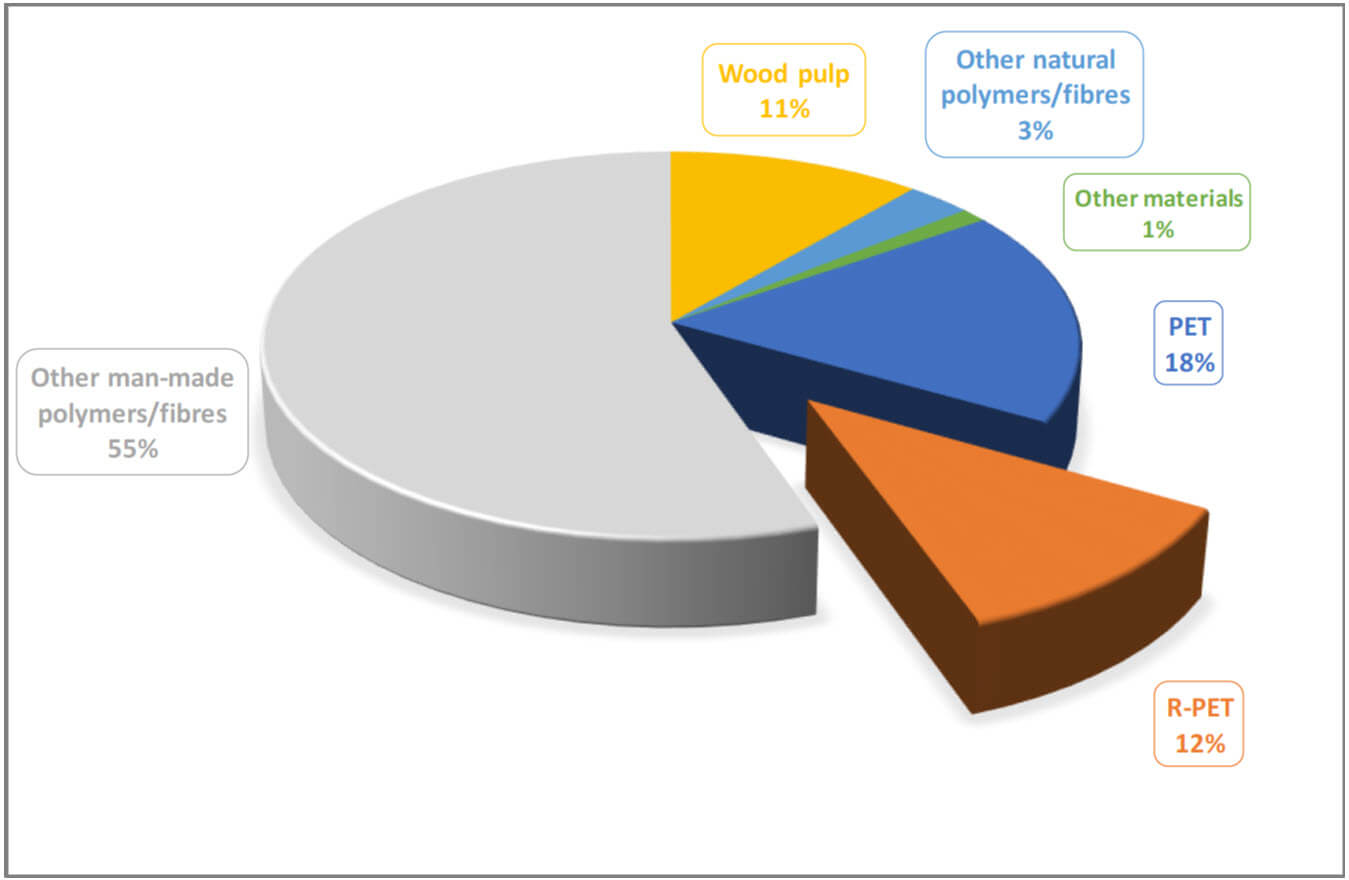
Recycled PET is used in a wide range of nonwoven applications, including products in the automotive sector, roofing industry and nonwoven geotextiles, all of which use R-PET fibres and resins.
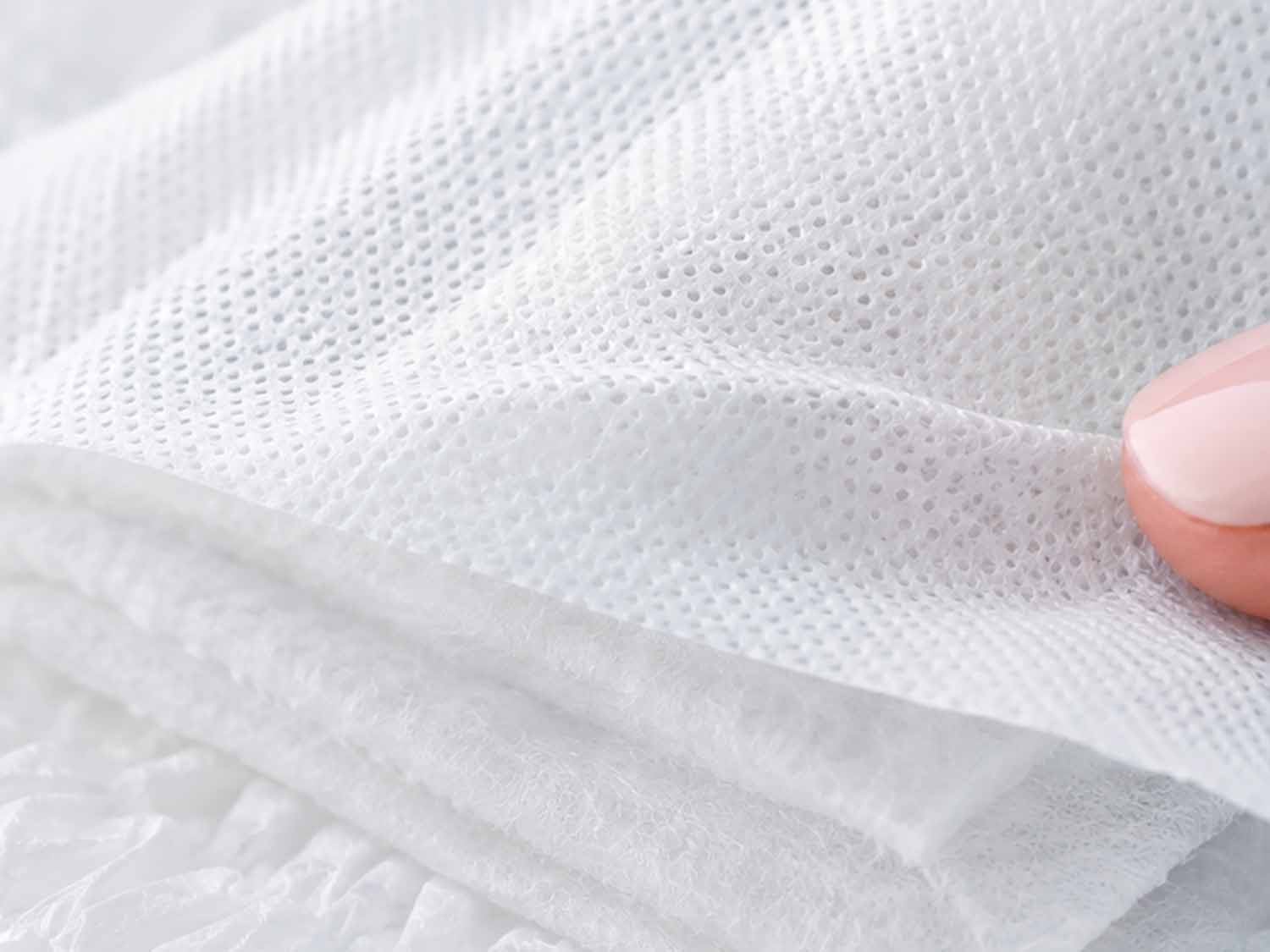
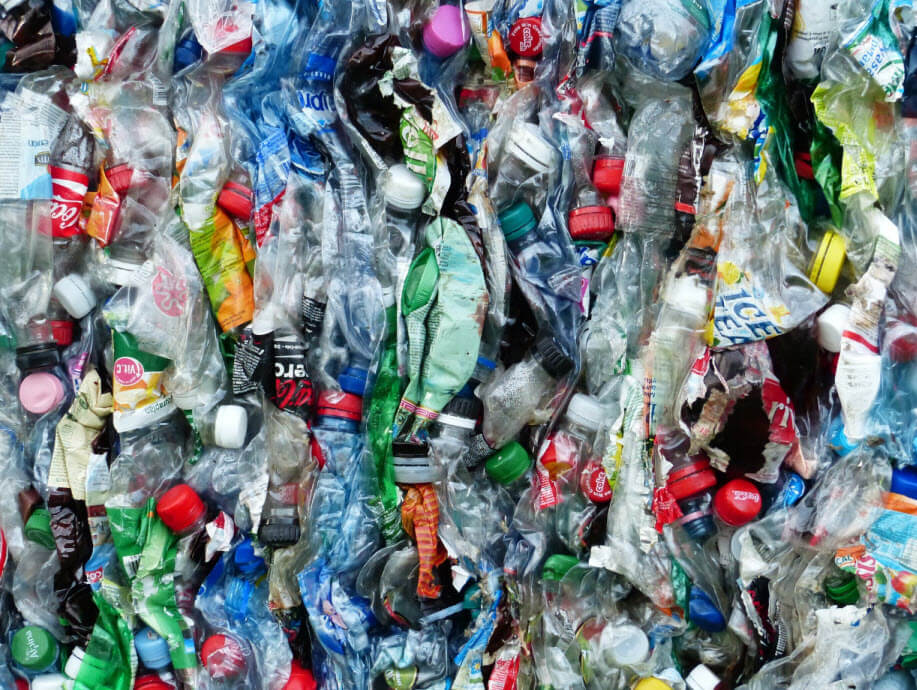
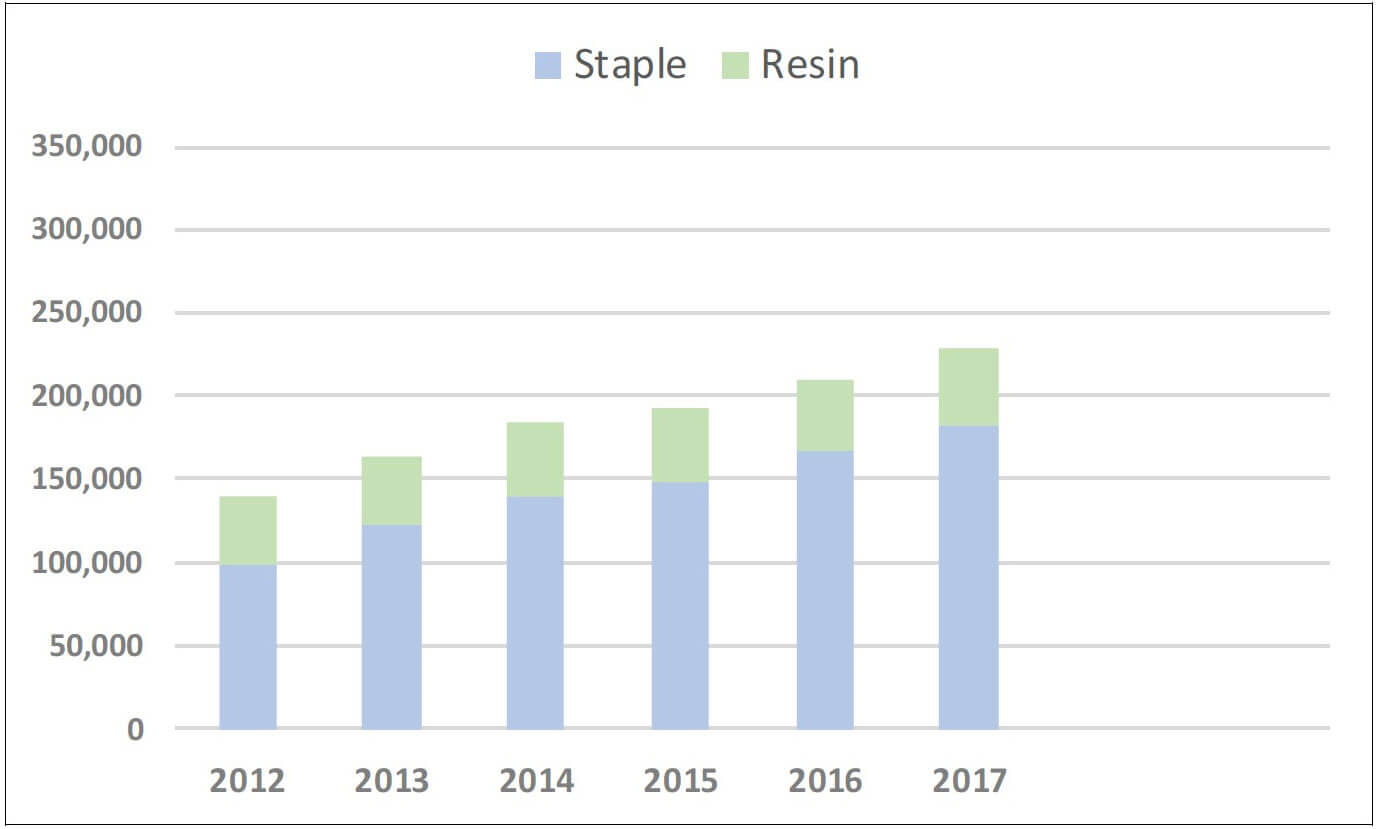
R-PET is also found in some nonwoven hygiene products such as diapers. At present, over 200,000 metric tons of recycled PET is used in the production of nonwovens. By the year 2025, this is expected to grow to over 300,000 tons, so long as the necessary post-consumer waste volumes are available.
EDANA made the announcement at the EU Plastics Industries – Towards Circularity event in Brussels, Belgium, joining together 13 other organisations from across the plastics value chain in presenting the interim reports on voluntary commitments and pledges to adopt more circular business models.
The European plastics industry and value chain has developed an extensive and ambitious set of voluntary measures to help close the lip for plastics. EDANA States that all commitments will be monitored with the industry ready to work closely with authorities and other stakeholders to ensure the goals are reached.
The accomplishment of the ambitious sustainability targets depend not only on the industry, but it also requires the support of national authorities, European legislators and consumers. Addition collection and better sorting are needed in order to increase recycling and incorporate more recyclate into new products.
The event The EU Plastics Industries – Towards Circularity is expected to be organised on an annual basis to guarantee an open and public reporting and transparent dialogue with stakeholders on the industry’s progress.