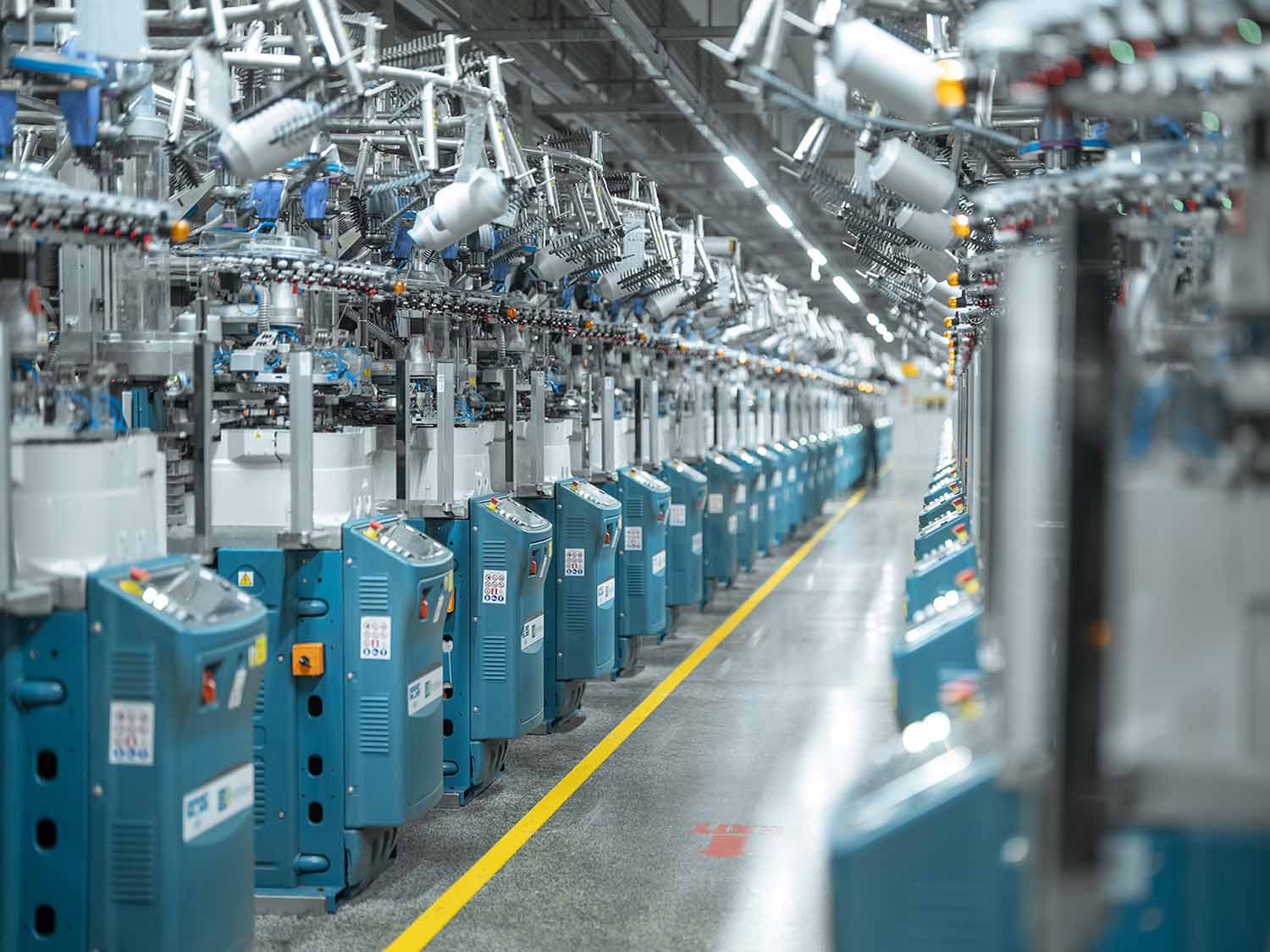
The European Union (EU) knitwear sector will be pushed to improve its sustainability within 100 days of a new European Commission taking office, expected to happen on 1 December. That is the deadline that a new Commission executive vice president Frans Timmermans must meet to propose a ‘green deal’ package of reforms, that will include new commitments for EU industries to reduce waste and pollution. Such ‘circular economy’ commitments would, however, be mitigated by a proposed ‘carbon border tax’, which could levy charges on industrial imports into the EU deemed manufactured with excessive carbon emissions. Details of what will be covered, and under what circumstances, will be included in a proposed future legislative text, drafted by former Italian Prime Minister Paolo Gentiloni, the incoming EU economy Commissioner. Another key member of the new Commission under President Ursula von der Leyen will be the incoming EU innovation and youth Commissioner Mariya Gabriel, a Bulgarian charged with finalising and implementing the 2021-2027 €100m Horizon Europe research programme, funding projects such as developing new materials for clothing and other knitted goods.
OTHER KNITWEAR-RELATED UPDATES
- British knitwear exports to the US have been hit by new 25% tariffs, following a ruling by the World Trade Organisation (WTO) that subsidies paid to the European Airbus consortium – partly based in the UK – breach global trade rules. The US Trade Representative office subsequently announced that retaliatory American duties would be imposed from 18 October. This included 25% duties on UK exports to the US of knitted sweaters, pullovers, sweatshirts, waistcoats and similar clothing, made from wool, cashmere, cotton and artificial fibres, as well as blankets and travelling rugs.
- Knitwear exporters from China will be relieved that US plans to increase tariffs on a range of Chinese exports from 25% to 30% were abandoned in October, amid an early agreement paving the way for ongoing talks to resolve the trade war between the two countries. However, the question of whether additional scheduled tariffs will be imposed by the US on 15 December remained unresolved.
- The incoming Bangladesh-based RMG Sustainability Council (RSC), which will take over staff and assets owned by the Accord on Fire and Building Safety in Bangladesh, was to be formally incorporated on 25 November, the government has said. The Bangladesh Garment Manufacturers and Exporters Association (BGMEA) now hopes the RSC can take over the Accord’s work by the end of next May (2020).
- The International Organization for Standardization (ISO) is developing new standards on the qualitative and quantitative proteomic analysis of animal hair fibres, using peptide detection with LC-MS without protein reduction.
- Suppliers of nanotechnology-based finishing chemicals to the European Union knitwear sector must by 1 January (2020) provide more information on the nanoforms of any existing product they place on the EU market, according to a note from the European Chemicals Agency (ECHA). This includes the characterisation of these nanoforms, a chemical safety assessment, registration information requirements and downstream user obligations.
- The Indian government has created a special customs classification for handcrafted Khadi fabric, which includes knitted cloth and is regarded by New Delhi as a ‘signature fabric of India’. The move has been welcomed by the Khadi and Village Industries Commission (KVIC) chairman Vinai Kumar Saxena, who said: “Now, we will be able to keep a constant eye not only on our export figures, but it will also help us in planning our export strategies.”
- Indonesian knitters may have to pay more to buy imported artificial yarn and all kinds of fabrics in future, with its government having warned the World Trade Organisation that it has launched safeguard investigations into whether an increase in imports is harming domestic manufacturers of these inputs. If Jakarta finds that is the case, it may impose temporary safeguard duties to allow Indonesian yarn and fabric manufacturers to better prepare themselves for future overseas competition.