Digital textile printing technology expert Kornit Digital has unveiled MAX Technology as part of its continuing pursuit of on-demand, sustainable fashion & apparel production.
The Israeli OEM stated during a virtual launch that its latest innovation ‘establishes a new standard’ for the fashion & apparel market, one that enables “high-quality, endless design possibilities and is entirely waste free”.
During a press conference streamed live from Kornit Digital’s headquarters in Israel, Kornit CEO Ronen Samuel said: “MAX technology surpasses industry norms for retail quality on multiple fabric types and breaks new grounds of versatility with previously unattainable print applications, significantly expanding the reach of digital on-demand textile production into the centre of mainstream fashion and apparel.”
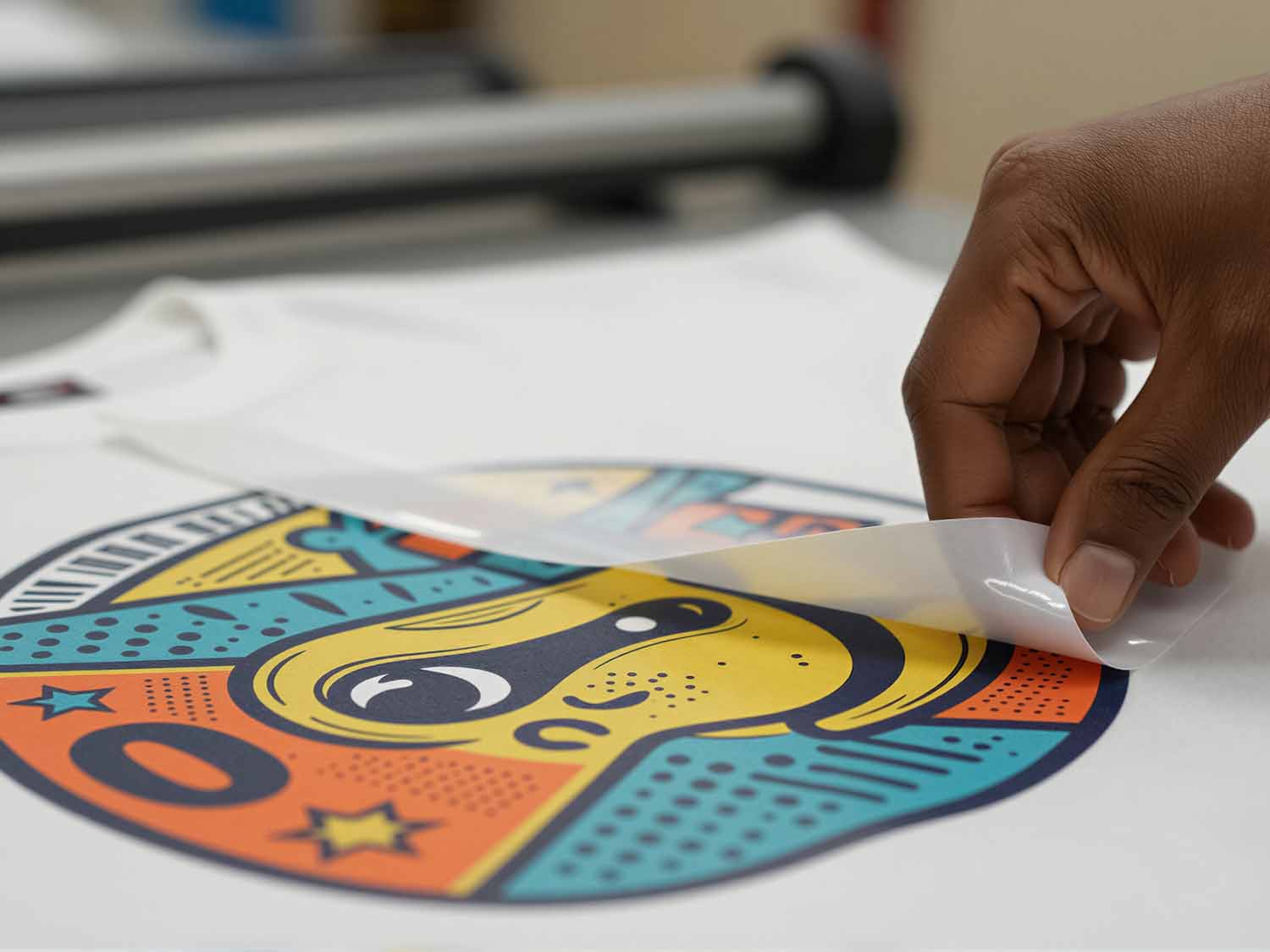
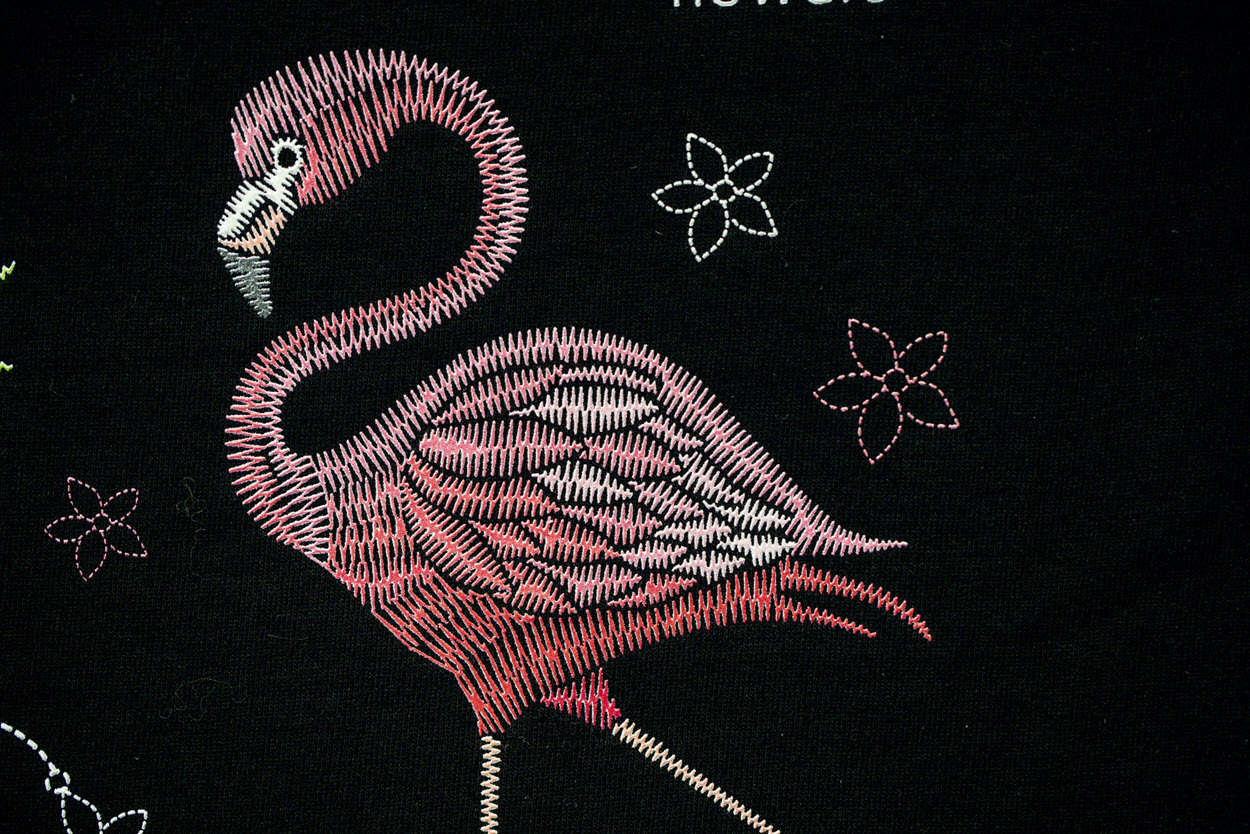
A key feature of Kornit’s MAX technology is XDi, which delivers 3D capabilities for new, high-density graphic decoration that can simulate embroidery, vinyl, and heat transfer in a single, waste-free digital process, Kornit explains. The new XDi, which is based on Kornit’s patents, “allows fulfillers and brands to expand their offerings to include new-to-market, innovative decorations without the inefficiencies and cost of operating analogue technologies”.
During the conference, Kornit also debuted its ActiveLoad Automation technology – a new robotic system that “significantly eases the burden of manual and labour-intensive media handling in the textile decoration industry,” according to Omer Kulka, Kornit Digital’s chief marketing officer.
“This increases total output per shift while ensuring minimal downtime and exceptional reliability,” Kulka added. “The new patent-pending ActiveLoad Automation technology ensures continuous production and consistency while decreasing human error and fatigue, regardless of employee experience and training, for ultimate results and best operational efficiency.”
Availability
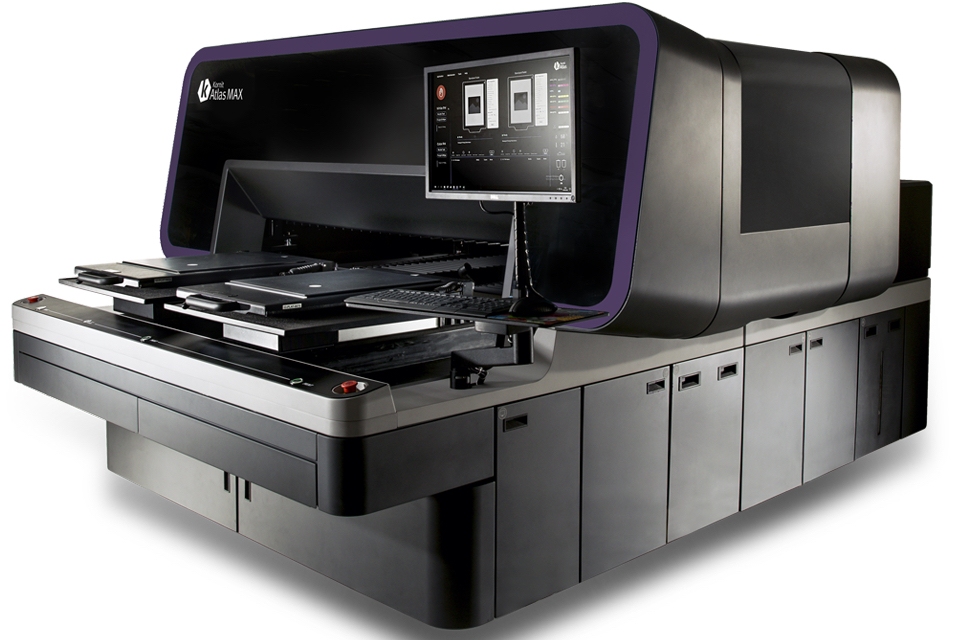
The first product with MAX technology is now commercially available in the Kornit Atlas MAX: a carbon-neutral, industrial-scale direct-to-garment (DTG) production system that provides retail quality, colour-matching capabilities, and a wide, vivid, and durable color gamut. The Atlas MAX is delivered with the new XDi technology built-in for 3D printing capabilities. Meanwhile, an upgrade to the Kornit Atlas systems will be available during the first quarter of 2022.
“Kornit’s new MAX capabilities bring sustainable on-demand production to the mainstream,” added Kulka. “We plan to roll out the MAX technology to additional lucrative market segments such as team sports, athleisure, diverse categories of fashion, and home décor applications.
“Kornit innovation arrives at just the right moment to match supply to demand – demand that requires freedom of design for self-expression, quality, and sustainable practices; and supply that expands on-demand capabilities enabling the direct-to-consumer vision.”
“There’s a growing realisation and acceptance that on-demand production is the answer to meet the demands of today’s consumer,” continued Samuel. “Kornit’s MAX technology defines the future of on-demand, sustainable textile production, and the future is here now. MAX offers a rare sustainable symbiosis, more creativity, less waste. I am excited to experience what is possible once the collective brilliance of our industry begins to create digitally, without limits. A world of opportunity awaits us.”

Kornit’s dominance throughout the industrial digital DTG printing market has been growing and during 2020 – with the acceleration of ecommerce and print on-demand – the OEM achieved unparalleled turnovers during the pandemic.
The versatility and performance of Kornit’s DTG and roll-to-roll inkjet solutions have enabled on-demand fulfilment centres to flourish as the number of online stores rises. This is in response to non-essential store closures following which consumers realised there are long-term benefits to buying online.
Research by the UK’s Office of National Statistics (ONS), an influential consumer market for the global fashion industry, states that in the UK alone sales of clothing fell by 27% in 2020 – the high street contributed to much of this downturn.
Kornit’s recent acquisition of Custom Gateway has enabled it to transform the manufacturing side of the supply chain and bring it up-to-date with consumer facing solutions. But Kornit is also looking at automating traditional mass production processes and bringing an end to the unsustainable fast fashion trend.
ActiveLoad Automation and Max technology signal that Industry 4.0 solutions are having a noticeable impact on Kornit Digital’s product pipeline – the OEM’s competitors will be closely monitoring the traction that these two latest solutions generate.
MAX technology has undergone beta-testing with several Kornit customers including California, US-based Monster Digital. The print service provider’s chief operating officer (COO), Scott Valancy, says: “Our customers have a strong, growing need for retail quality and additional applications, and we are confident the Kornit Atlas MAX will equip us to meet that demand.”
Moreover, Kulka hinted that further innovations are on the horizon that will target the Kornit Presto roll-to-roll direct-to-fabric solution.
To learn more, Kornit is hosting a special industry event in partnership with FESPA on 28-29 April 2021. More details on Kornit’s latest solutions can be found here.