The wool industry worldwide needs to bolster its reputation for sustainability, amidst increasing siren attacks on its marketing position from animal rights and environmental activists.
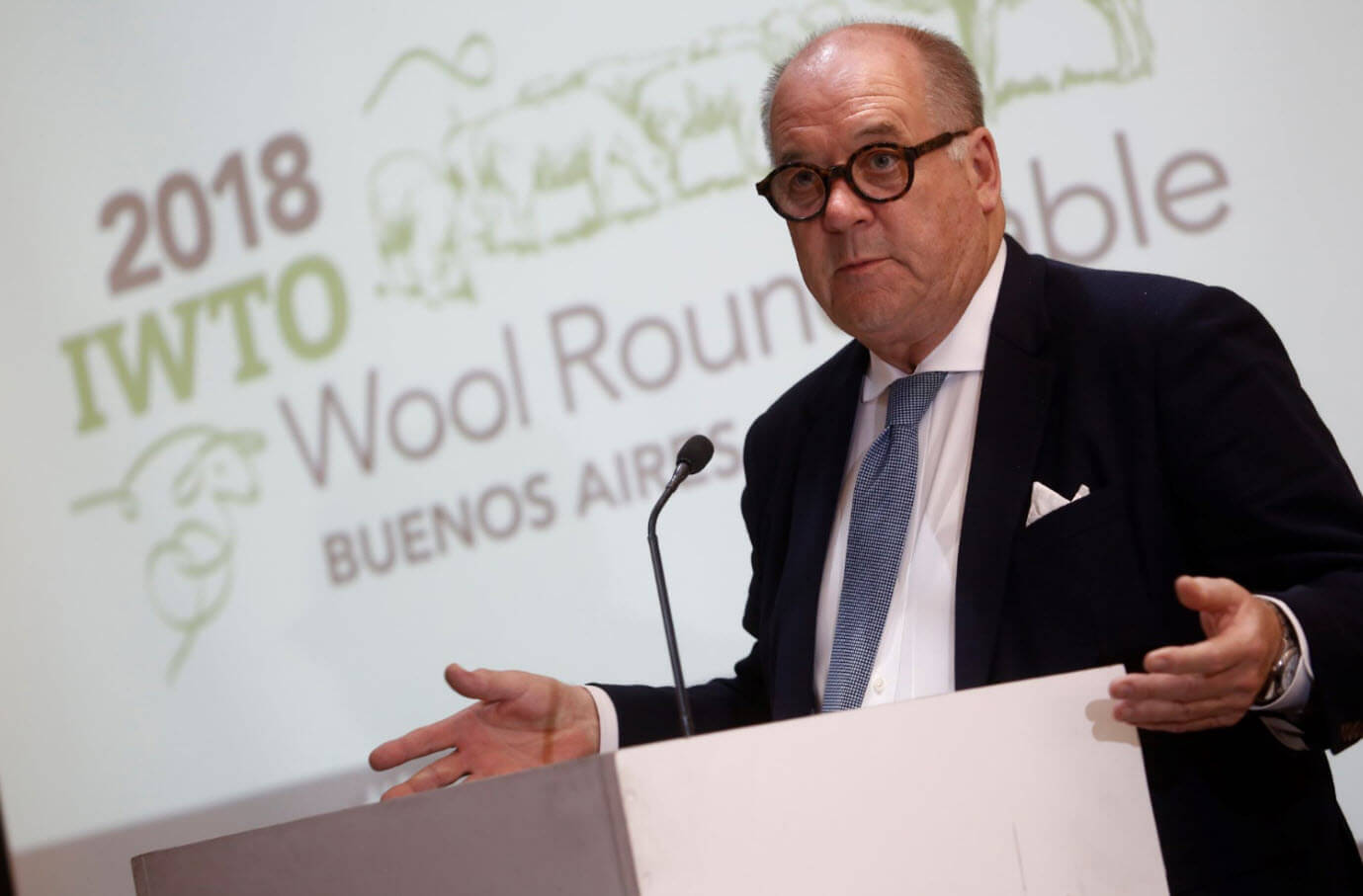
That was the key message to emerge from the 2018 International Wool Textile Organisation (IWTO) Wool Round Table, held in Buenos Aires, Argentina, on 3-4 December.
Dr Paul Swan, a wool industry consultant and technical advisor to the IWTO, said in his remarks that a key for the industry, in responding to claims it promotes animal cruelty and greenhouse gas emissions (through livestock methane), is to accelerate the compilation of a body of science-based research on wool sustainability.
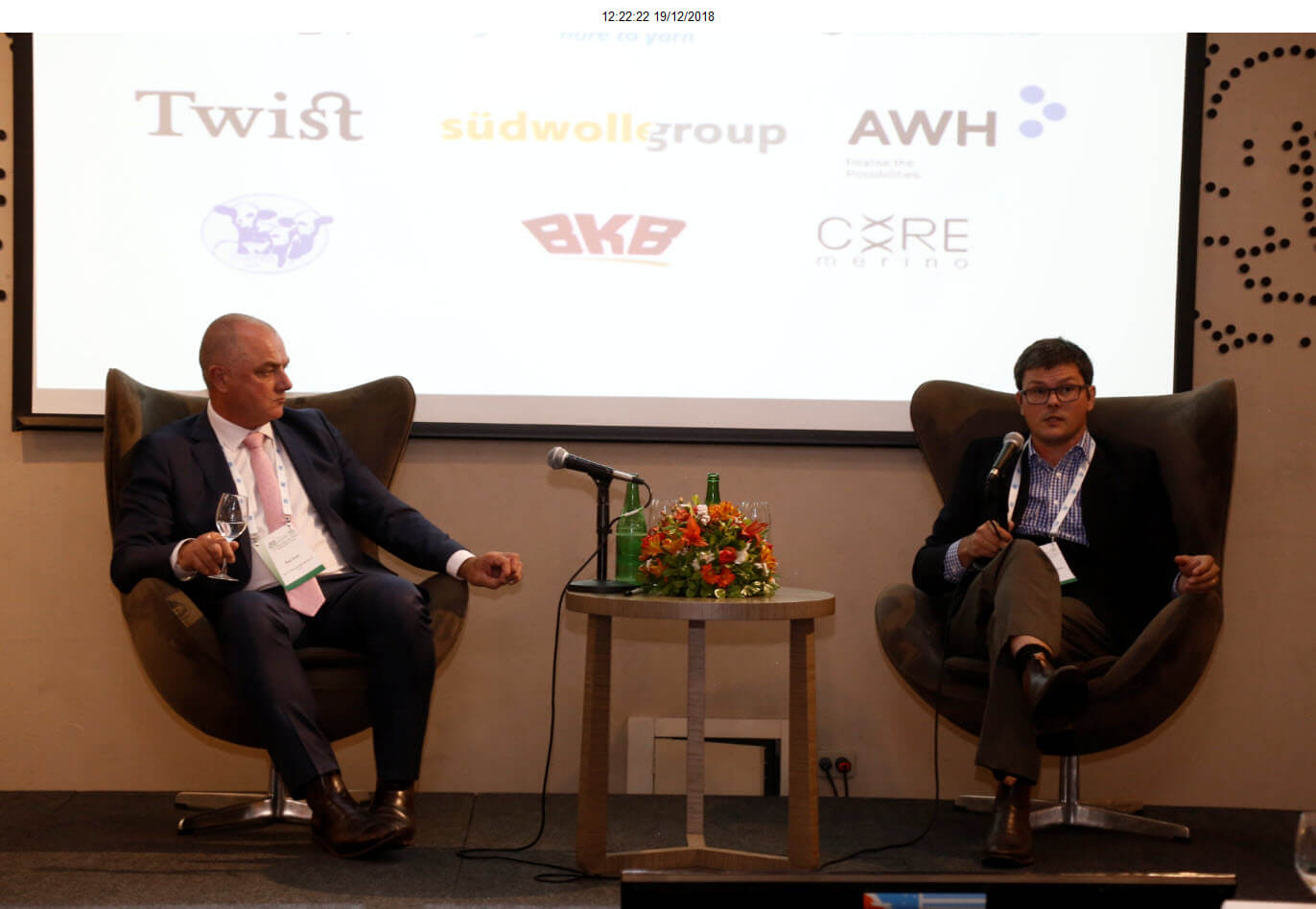
Swan said that this will help encourage sales to young consumers and get the industry ready for the expected introduction of product environmental footprint labels on garments in the EU over the next four to five years.
“Our stance is to actively contribute to the science in order to inform and defend,” Swan said. “We are loading the bullets for the marketers to fire.”
Stephen Wiedemann, principal scientist at Integrity Ag Services, and chair of the IWTO’s Wool Life Cycle Assessment Working Group, said new research is underway to explore the environmental impacts of wool across the whole supply chain, as well as recycling and consumer care.
These end user studies, he said, are aimed at finding out how long people keep their clothing and how often they wash it, allowing the industry to show how the environmental impacts of wool are comparatively less than other fibres because they last longer and need less washing, and can be laundered and dried at lower, more energy-efficient temperatures.
“The longer you continue to use the product, the lower the life-time burdens,” Wiedemann said.
In his opening speech at the event, IWTO president Peter Ackroyd warned that the wool industry could face another ‘full-frontal attack’, led by animal rights organisations and climate activists. These groups are against the use of any animal fibres per se and have expressed concerns that the carbon emissions from sheep flatulence could worsen global warming.
The attacks on ‘the environmental credentials’ of wool ‘keep coming,’ Ackroyd said. And while the accusations are ‘spurious,’ he said the industry must clearly explain the benefits of wool and substantiate its sustainability claims with clear messages, derived from scientific proven facts.
“There are retailers who say that with an animal welfare issue hanging over a fibre, the box of sustainability cannot be ticked,” he said.
With natural fibres included in textile ranges, retailers face demonstrations on different fronts and need support from the industry to sustain their buying decisions. “It’s happening more and more,” Ackroyd said. “We need to have answers to this attack.”
He said there was real potential for the industry, nonetheless. “There’s a revival of the old fashion qualities of wool being cool when it’s warm, and warm when it’s cool,” he said. This is spurring its use in sportswear, as well as a trend of personal tailoring, in particular of men’s suits. These fashion trends “are sustaining a breeding industry in the Southern Hemisphere, with great satisfactory results,” he said.