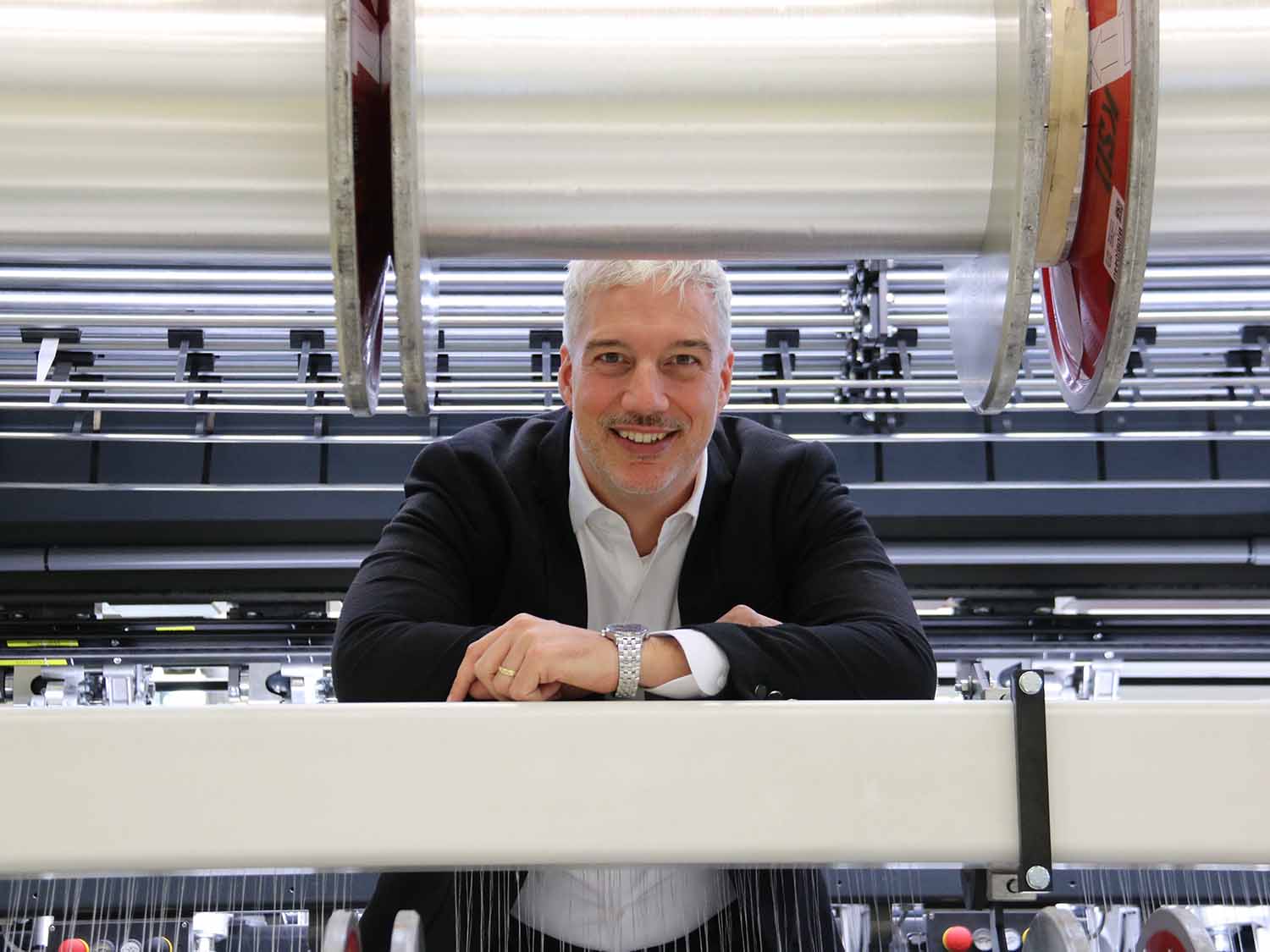
Ista Healthcare, an Indian producer of knitted medical stockings, has only been in business for three years, but already the company has exported products, created backward integration and is seeking venture capital for future expansion.
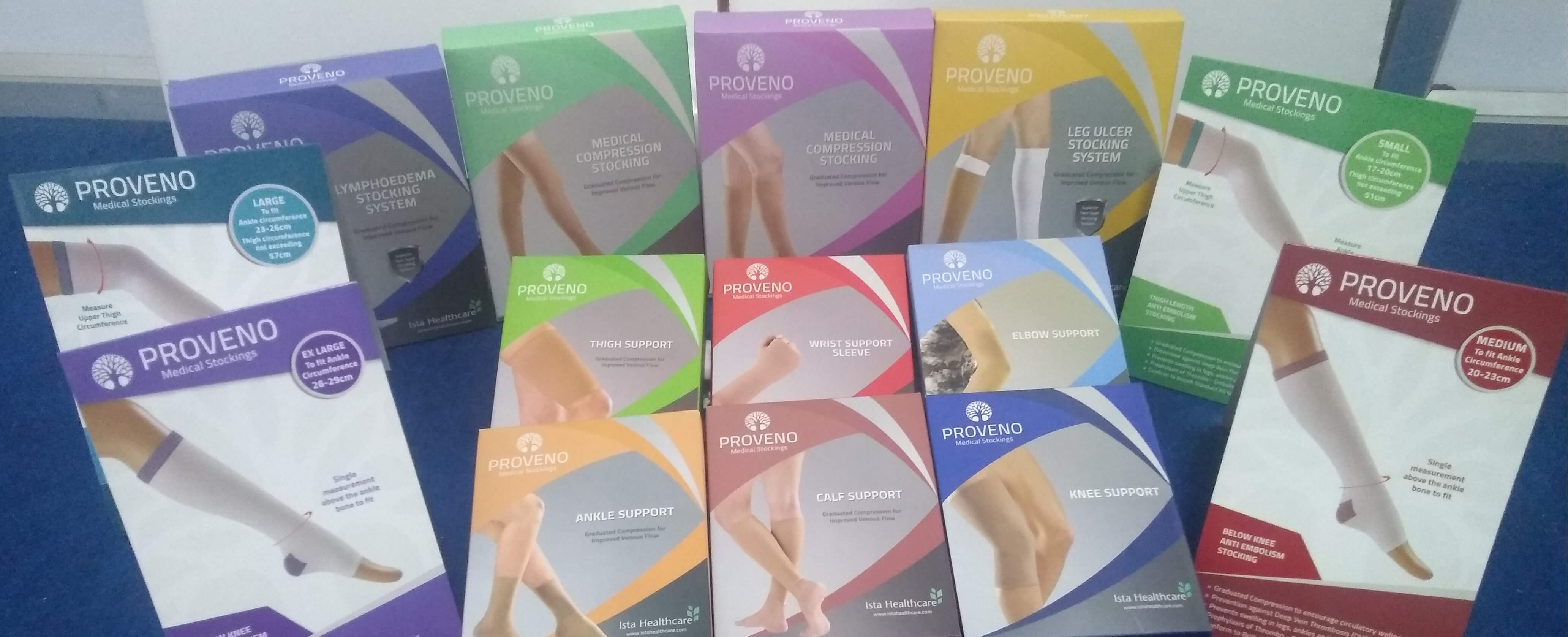
Products made by Ista Healthcare
“Our product has been created right from scratch and is now accepted worldwide,” says Kumaraguru Muthuswamy, chief executive of Ista Healthcare LLP, based in the southern Indian city of Coimbatore, in Tamil Nadu state.
Setting up
Sold under its Proveno brand, Ista’s anti-embolism stockings are used to prevent blood clots by increasing the wearer’s circulation. What’s more, the stockings are ideal for immobile patients, especially those recovering from major surgeries.
Having gained work experience in the compression stockings industry in the UK, Muthuswamy, 39, returned to India in 2013. He then decided to branch out from his family business of water pump manufacturing and set up Ista Healthcare in 2015.
“We were confident that there was a market, but we couldn’t anticipate how far we would succeed,” he tells WTiN, adding that “it was a calculated risk”.
The past three years have been a struggle, says Muthuswamy. “You start doubting yourself as to why you started the business. We couldn’t even find a person who knew how to set up or operate the knitting machine, so I had to go to Italy to train.”

Kumaraguru Muthuswamy, chief executive of Ista Healthcare
Muthuswamy explains that it took the company more than a year to develop its product and another two years to perfect production. Ista uses a special Santoni stocking knitting machine, which along with accessories and testing equipment, costs around US$200,000. The machine has a capacity to produce 5,000 pairs a month, and currently the company is making 3,000 pairs.
In one year’s time, Muthuswamy expects to install a second machine, which would be slightly cheaper as the accompanying accessories and testing equipment would not be required. “Working at 60% of the capacity is good and so it is the right time to go to the next level.”
Yarn making
Ista only created its in-house backward integration and established a new yarn making unit at its manufacturing site in June 2018 – such progress is impressively quick. “We formed a new company called Ista Techno Fibres to manufacture elastic yarns, which is a mixture of polyamide and elastane,” adds Muthuswamy.
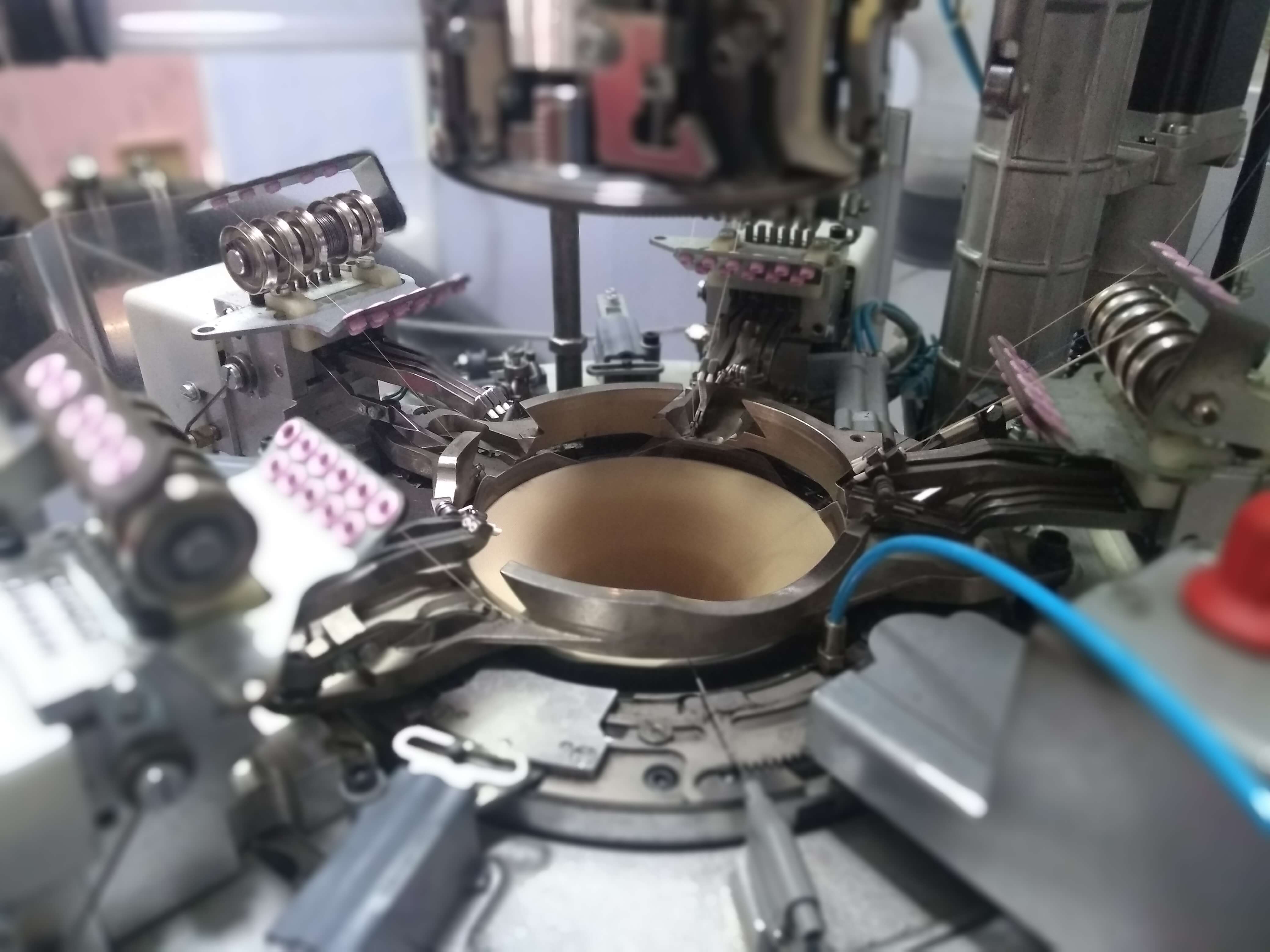
Knitting machine at Ista Healthcare
The required compression level in medical stockings has to be very precise, which decreases gradually from ankle to thigh. To achieve the required results, every stocking uses five different strengths of yarns but those available on the market could never be relied upon for their claimed strength, says Muthuswamy. “Now this gives us complete control over the end product,” he adds.
To achieve economies of scale, the output of the new yarn-making unit had to be far higher than the requirement of the stockings plant. So, a new market for raw yarn also needed to be found and the company has found buyers among European socks and medical bandage manufacturers.
Ista’s stockings are made in five different sizes to optimise the compression specifications, says Muthuswamy. A pair of the company’s stockings is sold at US$4 and Ista is now making bespoke products for non-standard sized legs at a premium price that is 50% higher than its regular socks.
The normal turnaround time from placing an order for raw materials to finished products is between 30 to 45 days. “For benchmarking, we studied some German products, the yarn they use and the technology they employ,” he adds.
Establishing a market
According to Muthuswamy, the international market for compression medical stockings is about US$4bn and increasing at an annual rate of 6%. There are no reliable figures for the Indian market, but every month about 30,000 pairs of these stockings are imported from China, Taiwan and Turkey, so Ista is well positioned to boost sales in its domestic market.
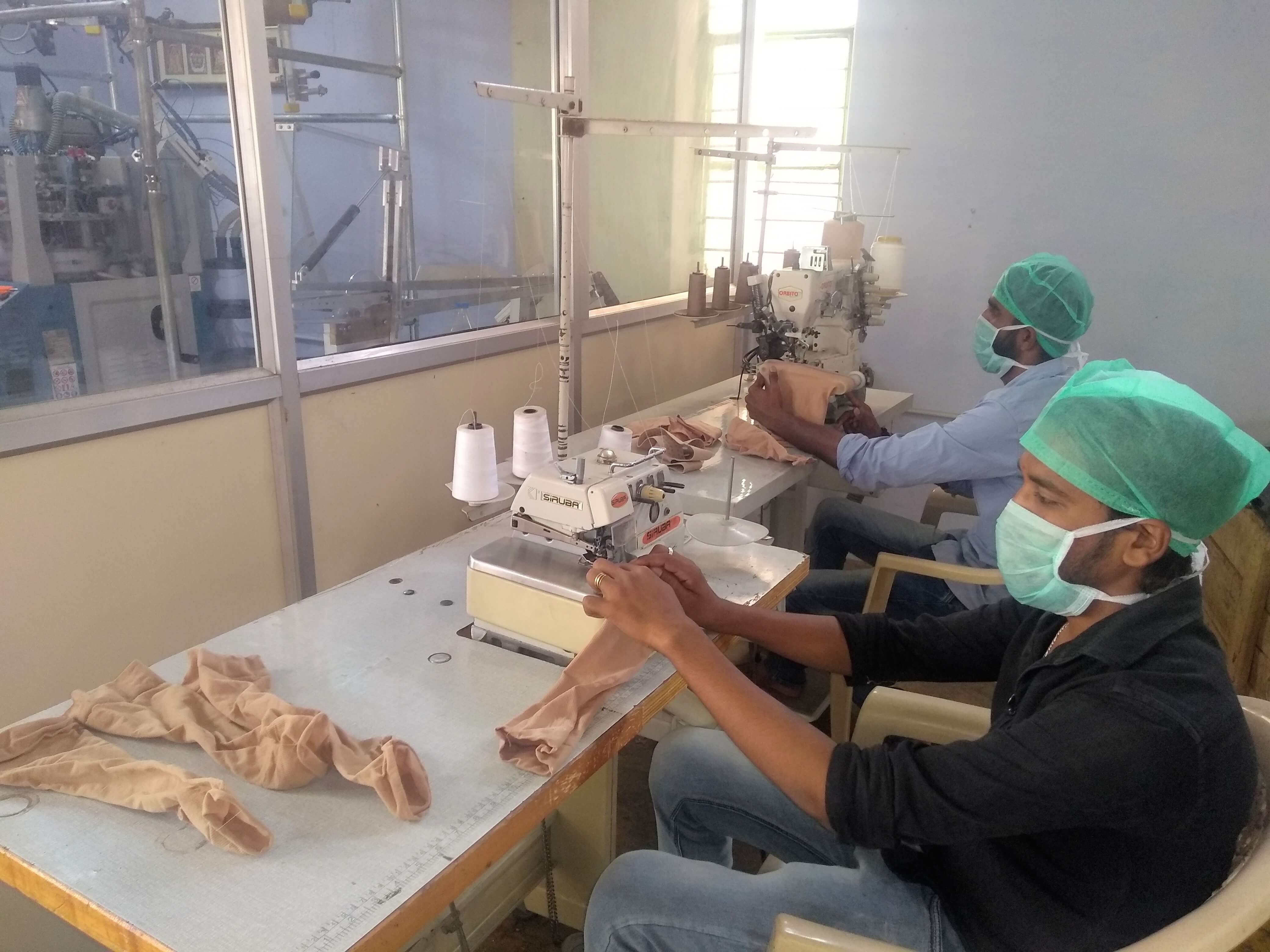
Stockings making unit at Ista Healthcare
Ista’s first sales were to a 1,000-bedded hospital in Coimbatore, that consumes about 500 pairs a month. Earlier, the hospital had used imported stockings made in the US that were 40% costlier than Ista’s product.
For promoting exports, two years ago Ista started working with a Dubai, United Arab Emirates (UAE)-based marketing firm. Its strategy is to have cheaper pricing for international markets. “For exports, we don’t have marketing and branding expenses and still get good volume business,” explains Muthuswamy.
Ista is already exporting to a Latin American country whose name Muthuswamy would not like to disclose for competitive reasons. In the future, he hopes his company will establish its own international brand, have CE European standard markings and export half its production.
Further development
Ista is also open to co-branding with international companies and developing products for other brands.
In India, Muthuswamy is planning to invest in a major marketing drive throughout the country and plans to expand Ista’s one-man marketing team and few distributors. “We want to grow organically and in the next five years introduce a complete range of braces for different body parts.”
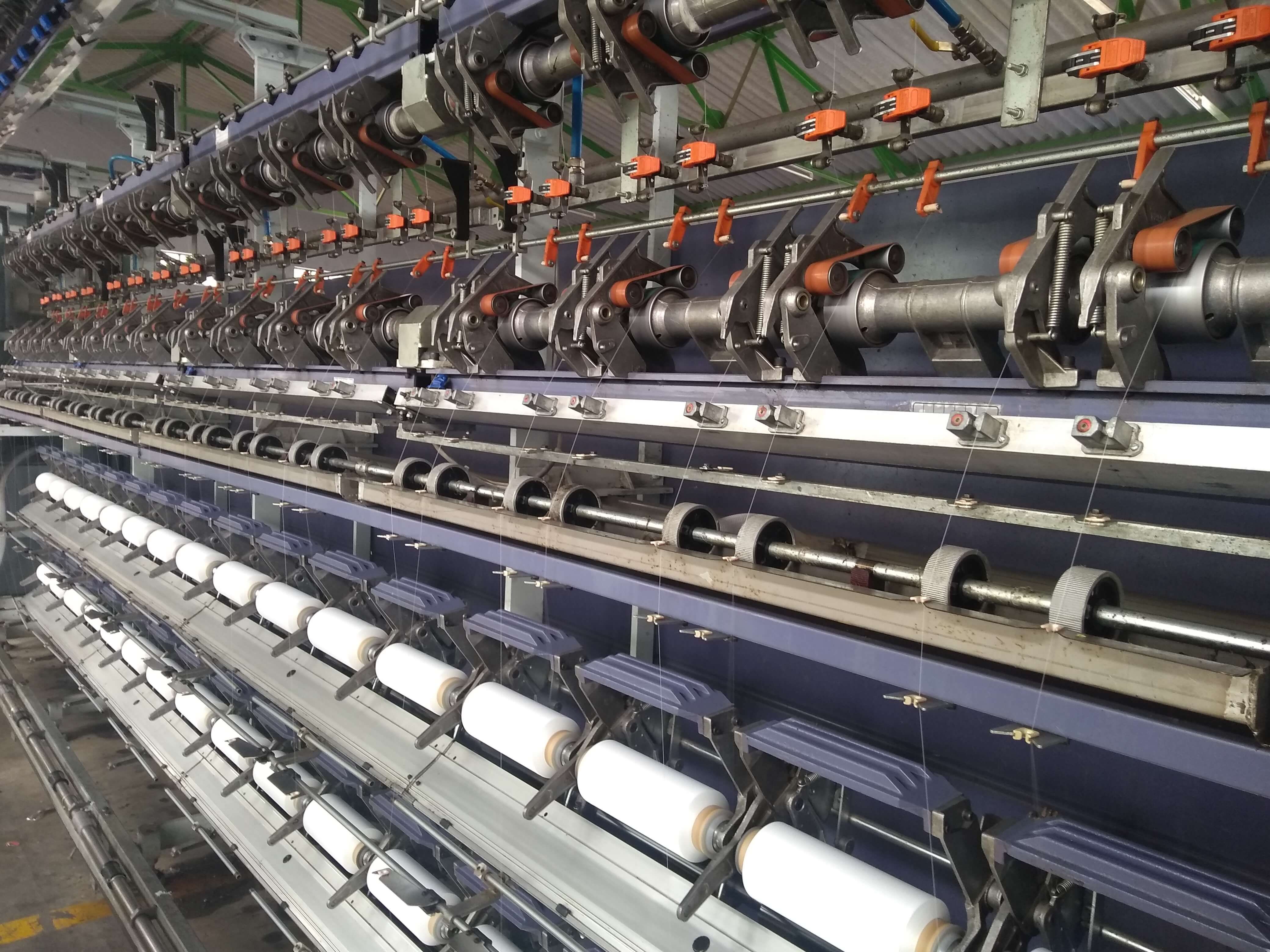
Ista Healthcare’s yarn unit
To achieve these goals, Muthuswamy plans to build a new factory on a different site and procure a second knitting machine for which US$300,000 of venture capital is needed. Its current factories are located on a 2,000 sq m plot in Coimbatore and 25 people are employed.
News from the regulatory front is also optimistic for Ista as the new Indian standards for compression stockings are expected to be adopted in 2019, says Muthuswamy. “It is going to be a big boost for our company,” he says, thinking this might knock out some overseas competitors. “The Indian market is quite small for Chinese companies, so they may not be bothered to comply with our standards.”
The demand for medical stockings is also expected to grow in India as desk jobs with long sitting hours that create problematic medical conditions are growing in number, and care services for older people are also increasing.
Muthuswamy concludes: “We are confident that we now have a strong foundation and a very good product.”