ANSES, the French Agency for Food, Environmental and Occupational Health and Safety, has published an assessment of the risks of chemicals found in diapers.
Based on tests conducted on disposable diapers and their use, the agency’s assessment highlighted several chemicals that exceeded safety levels.
The tests detected a number of hazardous chemicals in disposable diapers that could migrate through urine, for example, and enter into the babies’ skin through prolonged contact.
Some of these chemicals are added intentionally, such as perfumes that could cause skin allergies. Other identified chemicals could come from contaminated raw materials or manufacturing processes (DL-PCBs, dioxins and furans, PAHs).
About the research
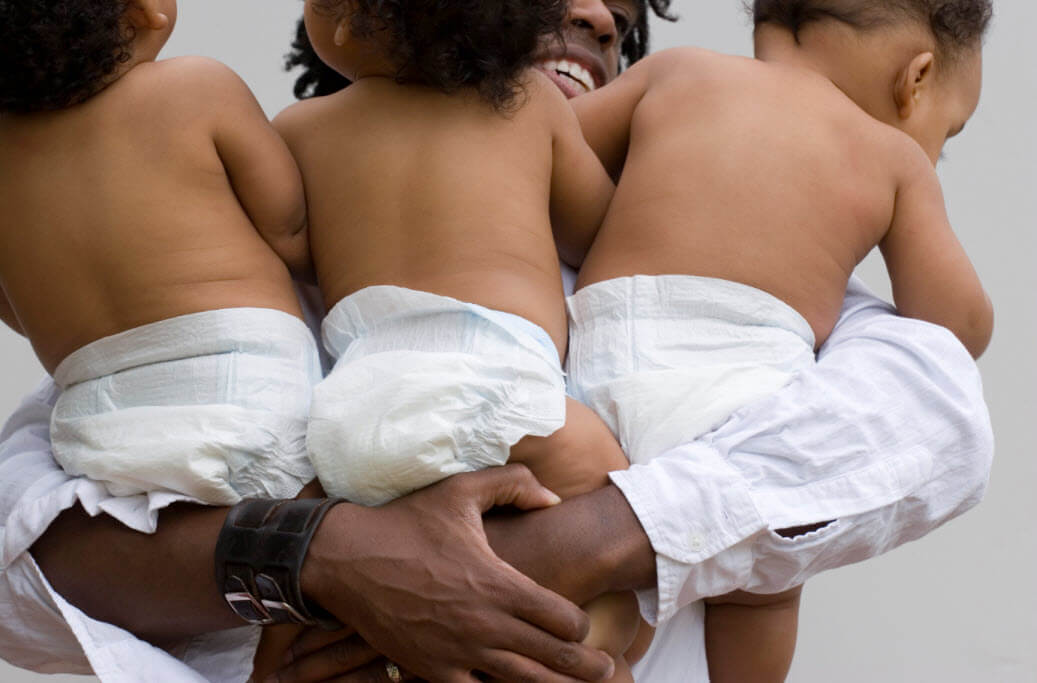
Most babies in France wear single-use diapers – which represents around 4,000 diapers used over the first three years of a baby’s life.
ANSES was requested by the French Directorates General for Health, for Competition, Consumer Affairs and Fraud Control, and for the Prevention of Risks, to assess the risks to baby health of the chemicals found in diapers.
This expert assessment is the first time ever that the evaluation of baby diaper safety risks has been conducted by a health and safety agency anywhere in the world.
The ANSES assessment was based on analyses and tests conducted by the Joint Laboratories Service (SCL) and the French National Consumers Institute (INC) between 2016 and 2018 on various diaper brands which were representative of the French market.
Based on the data, ANSES conducted a risk assessment in order to determine whether the concentrations of the various substances identified could pose a risk to a baby’s health.
This expert assessment showed that threshold values were surpassed for several chemicals under realistic conditions of use.
The chemicals detected
The chemicals in question included perfumes (butylphenyl methylpropional – Lilial, hydroxyisohexyl 3-cyclohexene carboxaldehyde – Lyral), certain polycyclic aromatic hydrocarbons (PAHs), PCB-126, and all the DL-PCBs, dioxins and furans.
- DL-PCBs: or otherwise known as dioxin-like polychlorinated biphenyls, are a group of environmental pollutants. In the past, they were produced for a variety of industrial uses such as electrical insulators, lubricants and specialised hydraulic fluids.
- Dioxins and furans: This is the abbreviated name for a family of toxic substances that all share a similar chemical structure. Most dioxins and furans are not man-made or produced intentionally but are created when other chemicals such as herbicides are made. They are also created when wood pulp is bleached.
PAHs: or polycyclic aromatic hydrocarbons, are a group of more than 100 chemicals that are released from burning substances such as coal, oil, gasoline and wood.
Recommendations
ANSES advises improving baby diaper safety through several recommendations.
Considering the possible risks these chemicals may pose, as well as the particularly sensitive population concerned (babies), ANSES recommends eliminating the chemicals found in single-use baby diapers or reducing them as much as possible.
To do this, ANSES provides a number of recommendations for manufacturers:
- Cease the use of all perfumes, especially those that may cause skin sensitising effects
- Improve control of the sources of natural raw materials that could be contaminated even before manufacturing
- Improve the manufacturing processes for diapers
In order to ensure that manufacturers have revised their manufacturing practices in keeping with these recommendations, the agency also recommends reinforcing the monitoring of chemicals in the disposable diapers already on the market.
Lastly, ANSES highlights the need for more stringent regulatory measures both nationally in France, and on the EU level within the framework of the REACH regulation, in order to make the manufacturing of baby diapers as safe as possible.