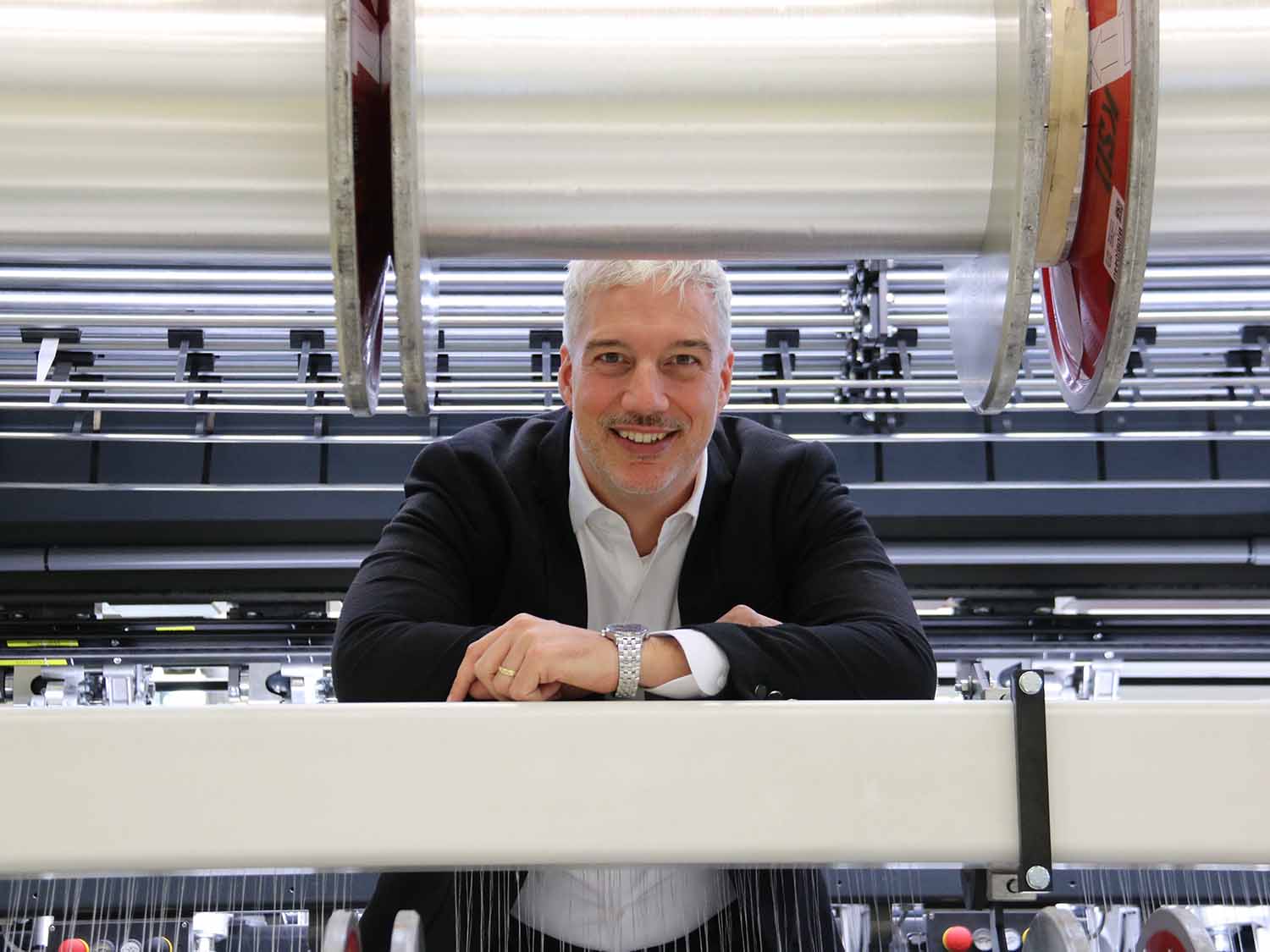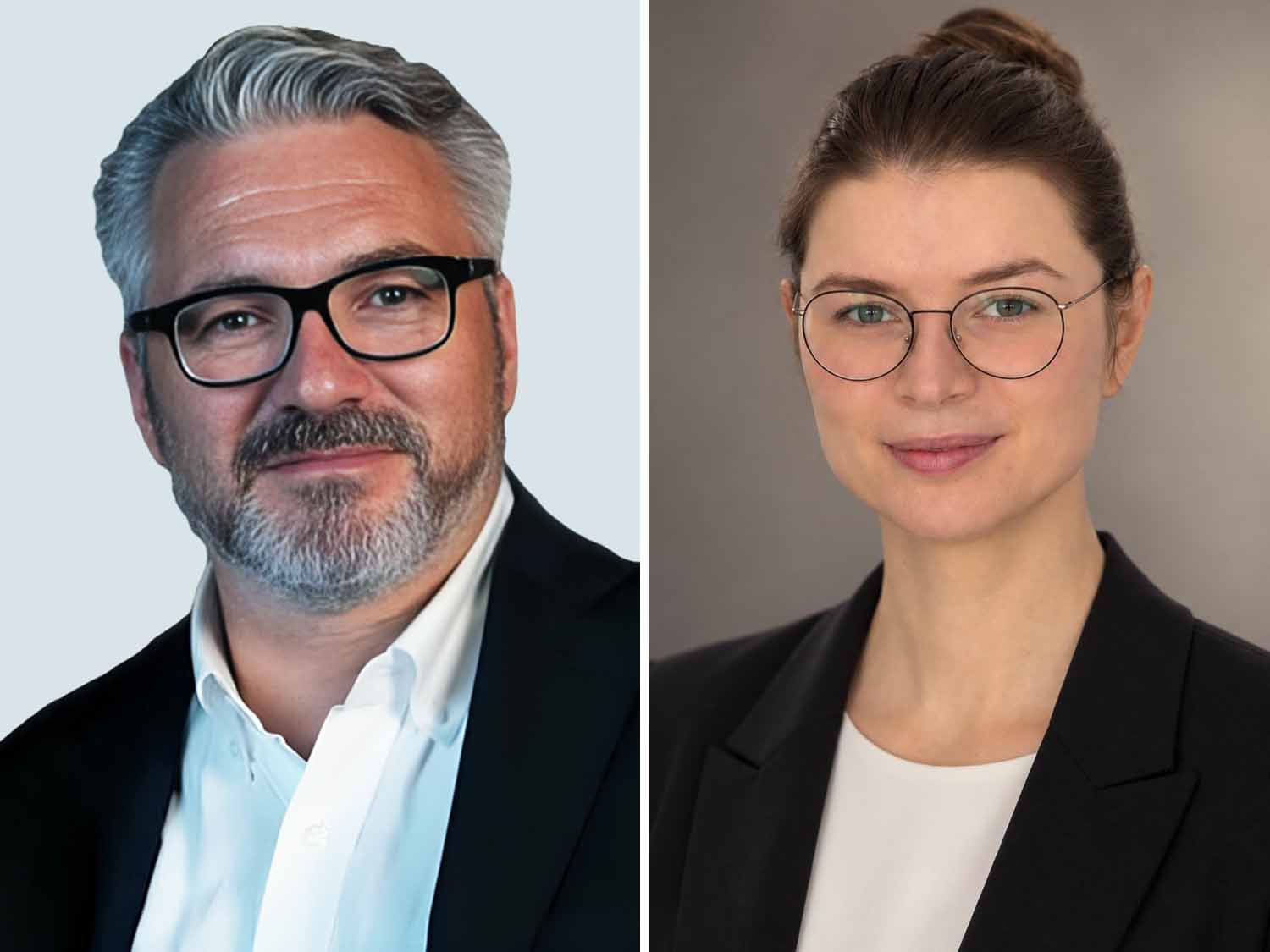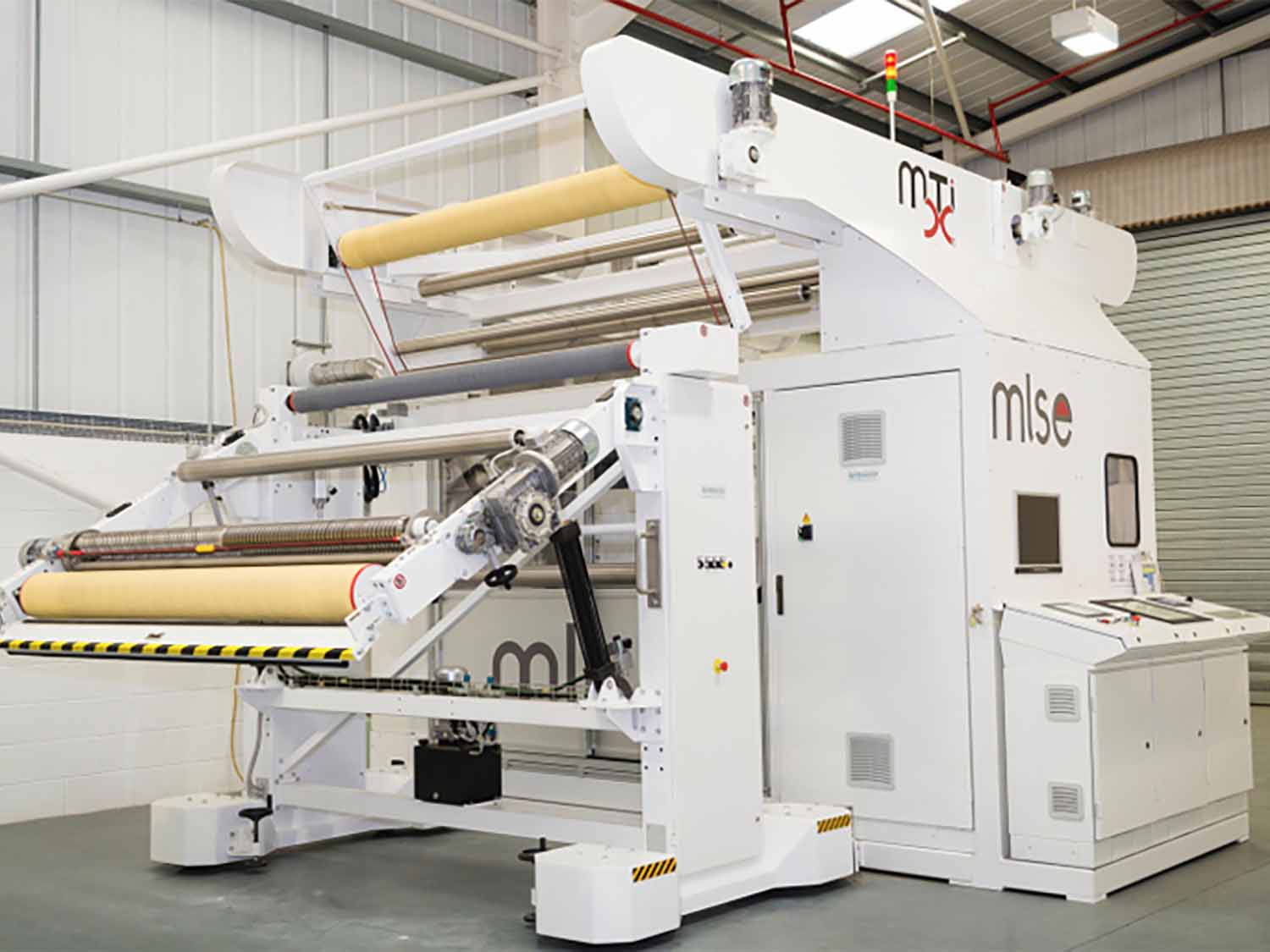
Spray dyeing specialist RotaSpray was recently acquired by WEKO, a specialist in non-contact applications for the finishing market. Although the acquisition took a retroactive effect from the beginning of 2021, the companies have worked together for a long time.
Rainer Tüxen – previously managing director, now senior consultant, textile processing at RotaSpray and a member of WEKO Holding – says: “Working in the industry for over 40 years, I have known WEKO as a customer. We have been in contact for a number of years.”
Tüxen was looking for successors with the view that he could no longer grow the company at this stage in his career. “We are very happy from both sides. WEKO has picked up all the new developments.”
In his new role at the company, Tüxen will focus on new developments, innovations and partnerships in areas such as machinery or chemicals. He comments: “These developments are my target for my last working years, in connection with the young team at WEKO.”
Together, WEKO and RotaSpray aim to bring state of the art solutions and machinery to the textile industry and Tüxen hopes that the mixture of generations will be able to achieve this. He says: “The mixture works. The young team is already in place [at WEKO]. There are some with not much experience and others with a lot of experience. Hopefully bringing all this together will work to bring creative ideas.”
Sustainability & digitalisation
Tüxen adds that open minds will innovate conservative markets and bring people together and driving innovation will be sustainability and digitalisation.
He says: “The textile industry is really conservative but, nevertheless, new business models are coming up in sales and slowly the production people also picking up to change in the direction of digital.”
For example, Tüxen talks of optimising conditions in dyehouses to reduce water per kg of dyed fabric for small lots including sampling and industrial orders. Flexibility, therefore, is key to lasting change.
Tüxen says: “We have some ideas around changing [factors] indirectly linked with application methods – using other energy sourcing for heat treatment processes, mixing completely other areas of heat treatment.”
He continues: “From the chemical side, heat treatment is needed for the dyeing side. Sometimes though, you don’t need heat treatment because there are new developments coming from the chemical side with lower reaction times.”
Tüxen and the team are consequently looking at everything collectively, such as machinery, chemicals, technical textiles and bringing in techniques from other industries. He notes that the company has ongoing projects with universities on a number of industry developments with sustainability in mind.
He says: “New partners and new companies coming together can be really disruptive. We don’t want to optimise marginally; we want to make big changes. I'm quite optimistic. For me personally, having a smaller focus works better because with too much to think about [in terms of running a business] you lose energy for new developments.”
And, when it comes to sustainability, digitalisation is crucial. One of the reasons for this is the enhancement of traceability. Pivotal to sustainable policies, traceability can bring about transparency and change along the textile supply chain. Without digitalisation, traceability is hugely unreliable and almost impossible.
He notes: “With the use of QR codes and other digital methods, we can now see who’s a trustworthy supplier and who is just greenwashing.”
Additionally, Tüxen wants factory floors to become not just sustainably clean, but also physically clean too. He asks: “In five years, does a factory really need to be a dirty place?” Tüxen notes that digitalising can be a way of making the textile & apparel industry a much nicer sector to work in. “With digitalisation and the quality of hardware also improving, [factory] owners are willing to invest during this crucial phase,” he says. “In many countries, cash flow is missing and the market is not picking up as expected, but we have to fight and use this time to innovate and become cleaner.”
Tüxen concludes: “This quiet time should especially be used for that.”