Oliver Doering, Trützschler Nonwovens’ director of sales and marketing, highlights the company’s focus on eco-friendly, biodegradable fibres and the booming nonwovens market.
Q: A lot has changed since INDEXTM20 was due to take place last year, what has Trützschler been working on?
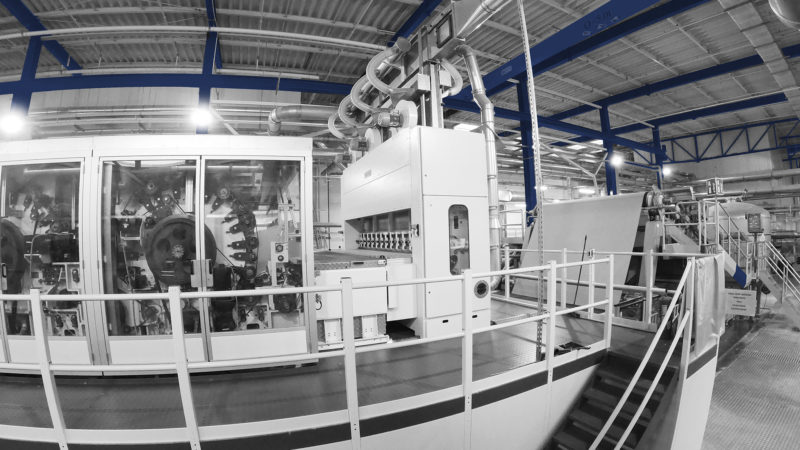
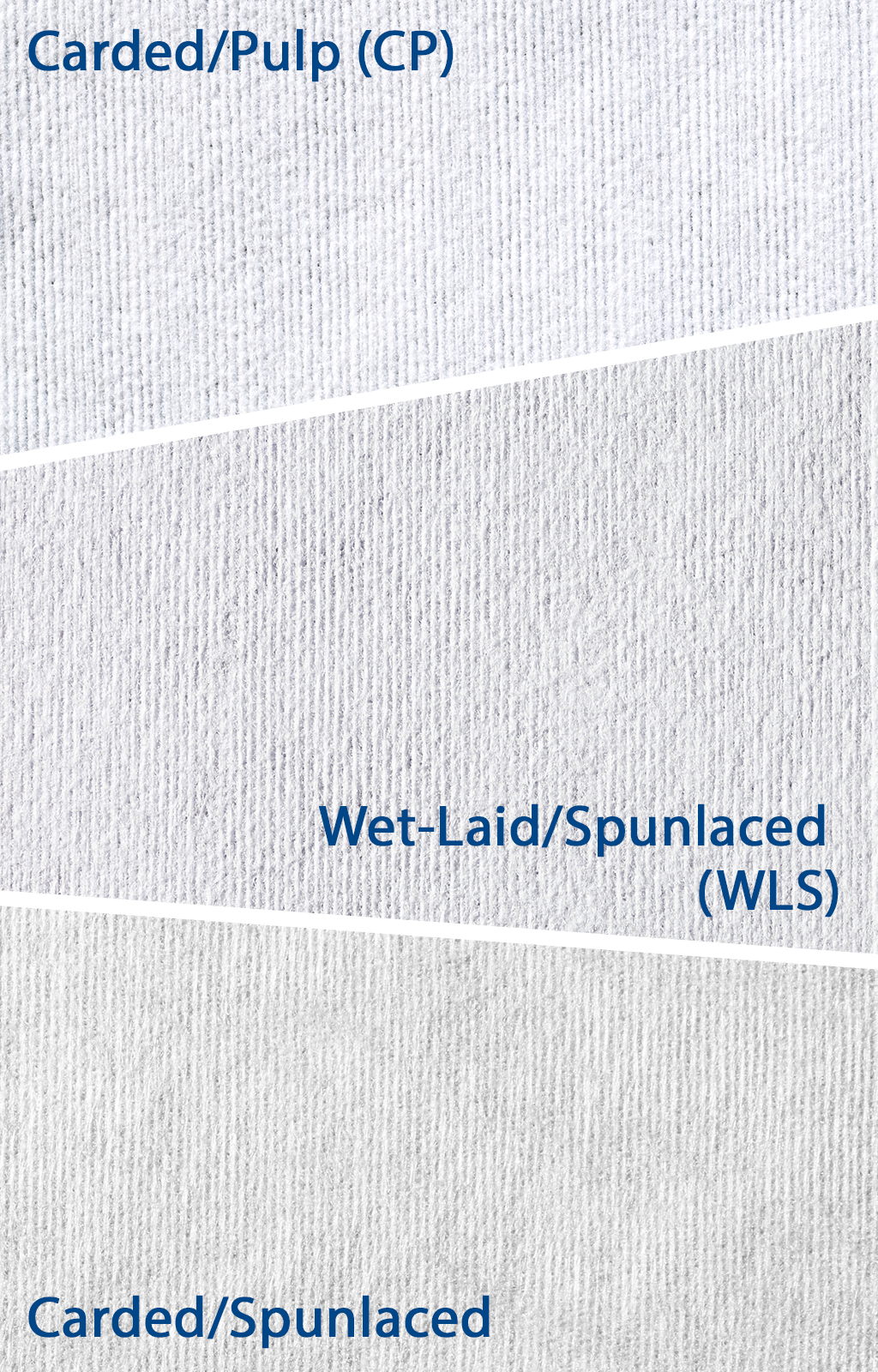
A: Trützschler still keeps a focus on solutions to manufacture superior sustainable nonwovens. In 2020 we commissioned the world’s first carded pulp (CP) line for two-layer CP nonwovens in cooperation with our partner Voith. CP products are a hydroentangled combination of a cost-effective wetlaid paper-grade pulp layer and a conventional carded web layer. Hydroentangling bonds the two layers for a soft, absorbent, strong and voluminous nonwoven. Due to lower-priced NBSK pulp, CP nonwovens are cheaper to produce. A fully-functional CP wipe is also 100% biodegradable when viscose or lyocell fibres form the carded web layer. Moreover, CP lines offer a high flexibility in end products. Not only can two-layer CP nonwovens be made, but wetlaid/spunlace (WLS) or carded/spunlace nonwovens can be made, too.
Q: What can visitors see at the Trützschler booth in Geneva?
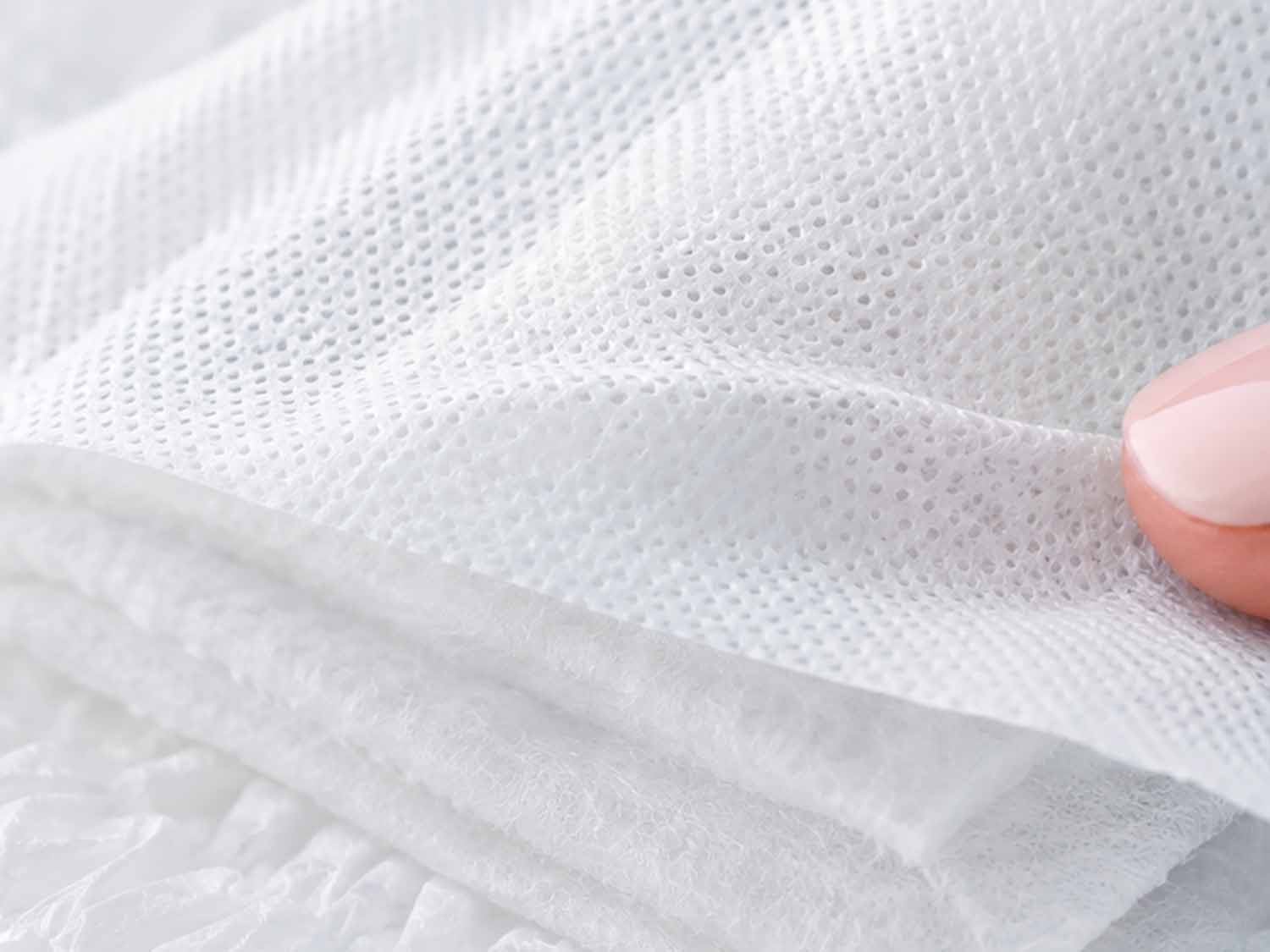
A: On the Trützschler booth there is more to feel than to see, since nonwovens machinery is too big to display. We have hundreds of nonwoven samples showing the fill range of end products made by Trützschler Nonwovens’ lines. Our special focus is on eco-friendly, biodegradable samples. On one hand we have nonwovens from conventional fibres such as cotton or regenerated cellulose (viscose or lyocell) on display, and on the other hand we feature innovative, pulp-based nonwovens. These are either WLS materials for flushable wipes or baby and body wipes. Or carded/pulp nonwovens are also suited for personal care end products.
Our sister company Trützschler Card Clothing is also introducing new wires for roller cards. One example is the new Z-wire, which has been especially developed for use in high-speed cards.
Q: How has Trützschler adapted to the booming nonwovens market?
A: The pandemic gave Trützschler Nonwovens full order books for our range of hydroentangling lines, since wipes have been in high demand everywhere in the world. Furthermore, we have demonstrated how the Trützschler organisation supports our existing customers and new customers, even though the pandemic made travel close to impossible. Within the Trützschler group of companies, manufacturing and processing are assured even under these global conditions.
We also used the time to further strengthen our technical centre: the Nonwovens Customer and Technology Center (NCTC) in Egelsbach, Germany. We were able to conduct more internal trials – something that would not have been possible in normal times because the NCTC is usually fully booked with customer trials.
Q: Are there any products in the pipeline?
A: We are still exploring the opportunities of the CP technology. It turned out that our high-speed NCT card, which we install in our CP lines, is a lot more versatile and productive than we initially thought. Developing efficient processes around the NCT card is one of our focus points this year. A further step in productivity can be expected in the very near future.
We are also focusing on products that can be manufactured efficiently and sustainably from natural fibres such as hemp, flax or pineapple fibres. And recycling production waste is a topic that is becoming increasingly important in the field of R&D. Trützschler Nonwovens is working on high-performance machines that are capable of gently opening staple fibre-based raw materials and feeding them directly back into the manufacturing process.