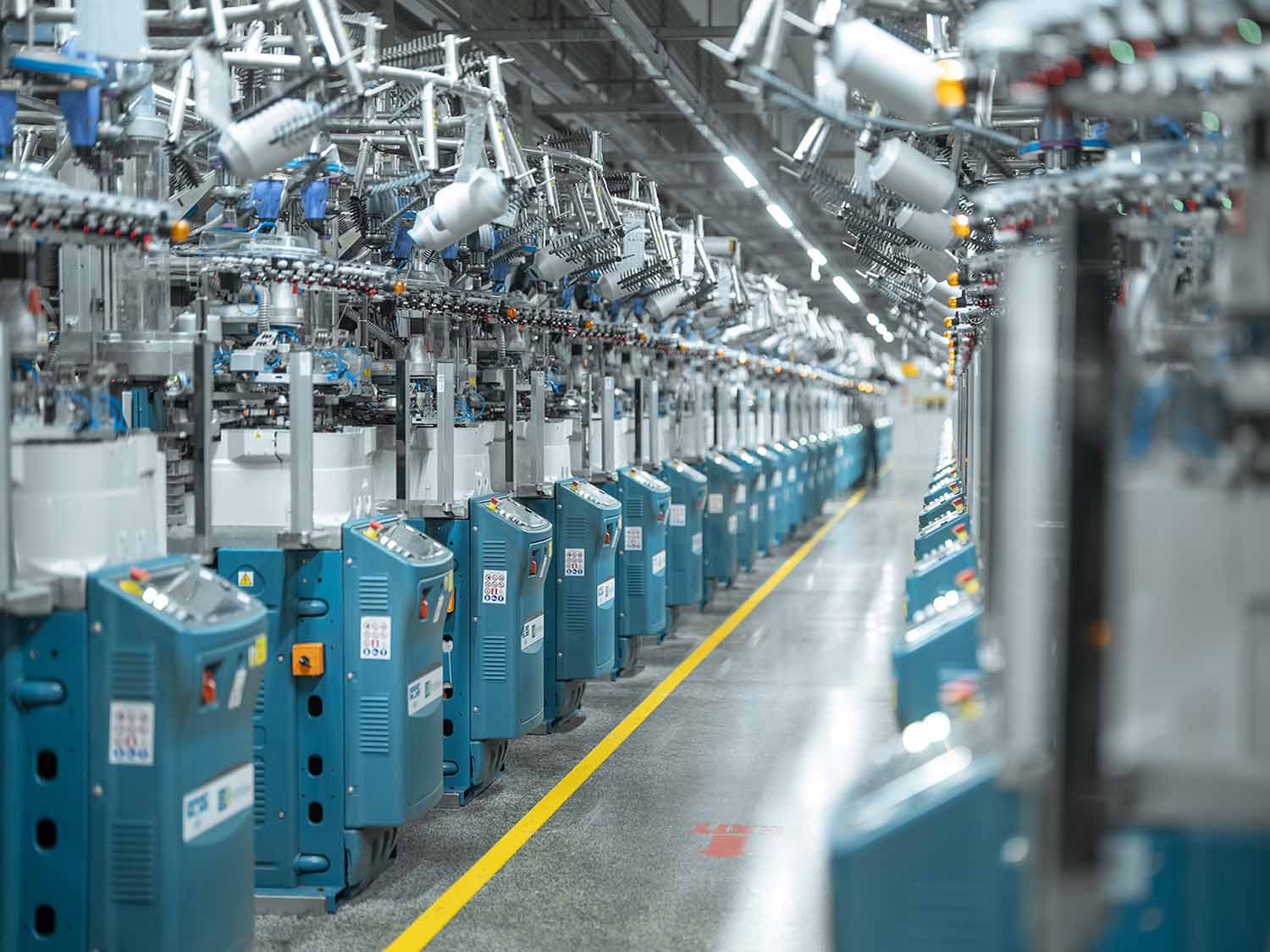
Madelaine Thomas reports on the digital technologies being implemented by the textile & apparel industry to boost resiliency and profitability.
The digitalisation of the textile & apparel industry has been gathering momentum over the last couple of years. And, in the wake of the Covid-19 pandemic, it is projected that digitalisation will become increasingly important to the textile supply chain as it enters a ‘new normal’ and is expected to set the standard in textile manufacturing of the future.
In the short-term, however, many companies have entered ‘survival mode’ where investments in new technologies are far from on the agenda. But in the longer-term, digital technologies will be the only means of sustaining a future in the industry. Visitors to the upcoming Innovate Textile & Apparel virtual trade show will be surrounded by digitalised technologies that promise to boost a textile manufacturers resiliency and enable a greater degree of profitability.
A McKinsey and Business of Fashion (BOF) report: ‘The State of Fashion 2020, The Coronavirus Update’, published earlier this year, states the importance of digital escalation in the market: “Digital plans should be prioritised when it comes to talent, time, allocated inventory and future investments, and marketing spend should be shifted to digital channels, with ROI precisely tracked.
“The strongest players will quickly scale up and strengthen their digital capabilities, which will allow them to capitalise on future opportunities and protect their businesses from risks.”
And with digitalisation comes new business models, opportunities, and a renewed way of working. The manufacturers that have fared best throughout the pandemic are those that have already invested in digital technologies and have been flexible when faced with changing demands. For instance, demand for fast-fashion fell dramatically in the spring and summer, while demand for personal protective equipment (PPE) surged.
Some companies, such as OnPoint Manufacturing in the US have been able to adapt their supply chains and change their production lines rapidly to help in the fight against Covid-19, and also keep the business profitable. This is only afforded through digitalisation, the flexibility it brings, and some argue, localised manufacturing.
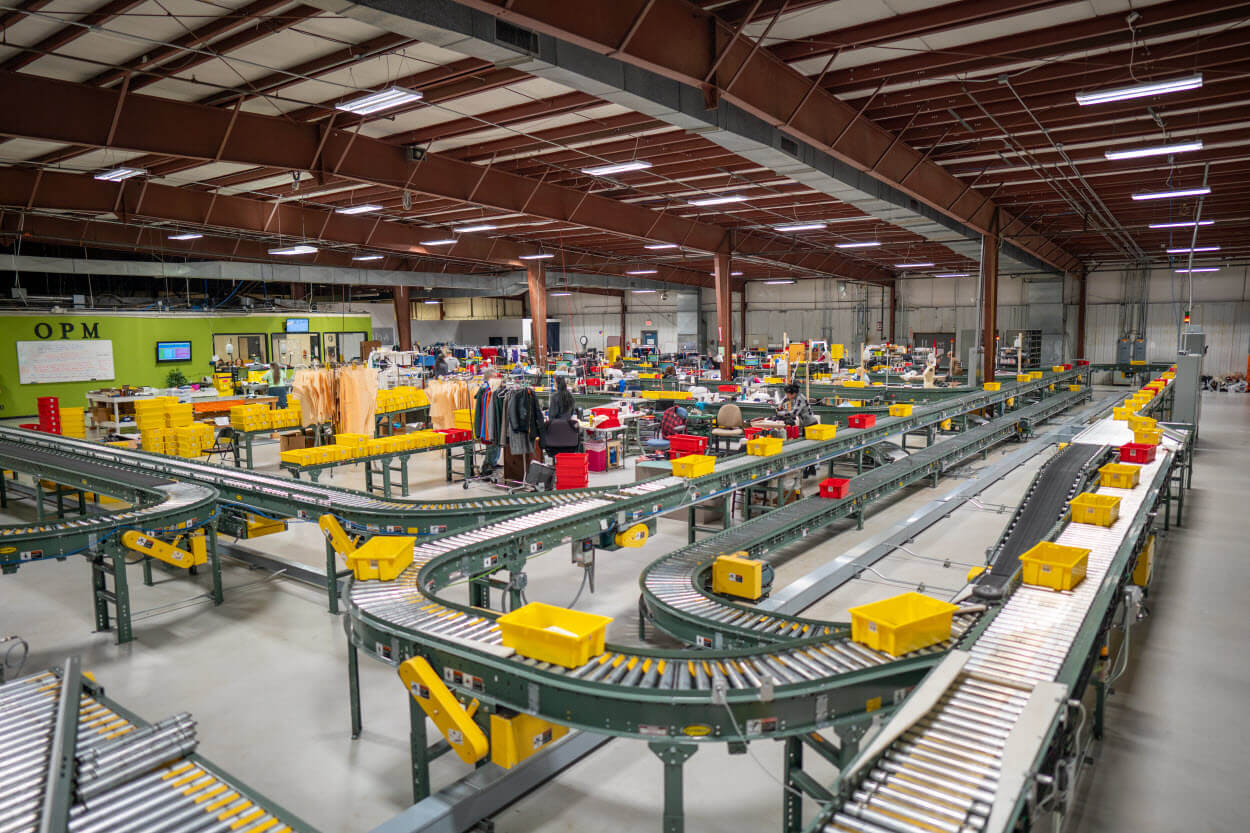
Localised manufacturing is a trend that is growing with the advent of digitalised technologies. It goes hand-in-hand with the reshoring or nearshoring movement that is afforded by automation, interconnected technologies and cyber-physical systems. These solutions eliminate the need for a large workforce which means reshoring production closer to the end consumer is now a much more financially viable proposition for businesses, much to the detriment of cheap labour markets in the east.
With batch sizes shrinking and the demand for customised products increasing, localised manufacturing is a way of satisfying the shifting consumer demands. Consequently, labour intensive factories in the east are becoming less competitive.
Whether it be through ecommerce, the installation of microfactories or using data to drive design and production, business models are evolving due to the rise of digitalisation: lead times are getting faster, and supply chains and manufacturing is more efficient.
There is a huge amount of technology enabling these changes and Textile 4.0, as well as assessing these changes, aims to report on these disruptive technologies. The use of virtual and augmented reality (AR/VR), for example, is changing the way OEMs help their customers, the way manufacturers train their engineers, and the methods in which textile and apparel products are designed.
Digital textile printing has already changed the game in the textile printing space, and data-driven sensors on machines are transforming the finishing industry. In the knitting, weaving, and spinning segment of the textile supply chain, Industry 4.0-ready technologies are also increasing efficiency, lowering costs, and are more sustainable.
Meanwhile, the use of predictive maintenance software is reducing unplanned downtime (again increasing efficiency and reducing costs), blockchain and RFID are increasing transparency and traceability, robotics is changing the way factories are run and the resources required, and cyber-physical systems are streamlining production lines. And all this brings increased flexibility, sustainability and improved supply chains that are more adept to coping with a crisis such as the coronavirus pandemic.
The future then, is in digital; and those that fail to invest in this area will struggle to recover and build their market share post Covid-19. The pandemic has acted as a catalyst for digitalisation, speeding up the installation of Industry 4.0 technologies across the textile & apparel industry. Companies must now innovate areas of their business that digitalisation will best serve – digital transformation is an ongoing process, rather than a destination but, if executed incorrectly, could backfire. Therefore, the industry must assess where best to digitalise and implement the right technologies accordingly, to futureproof itself for what is no doubt going to be a rocky road ahead.
More information on digitalisation in the textile & apparel industry can be discovered on WTiN's Textile 4.0 intelligence channel. To arrange a demo of the channel, speak to the WTiN team at Innovate Textile & Apparel.