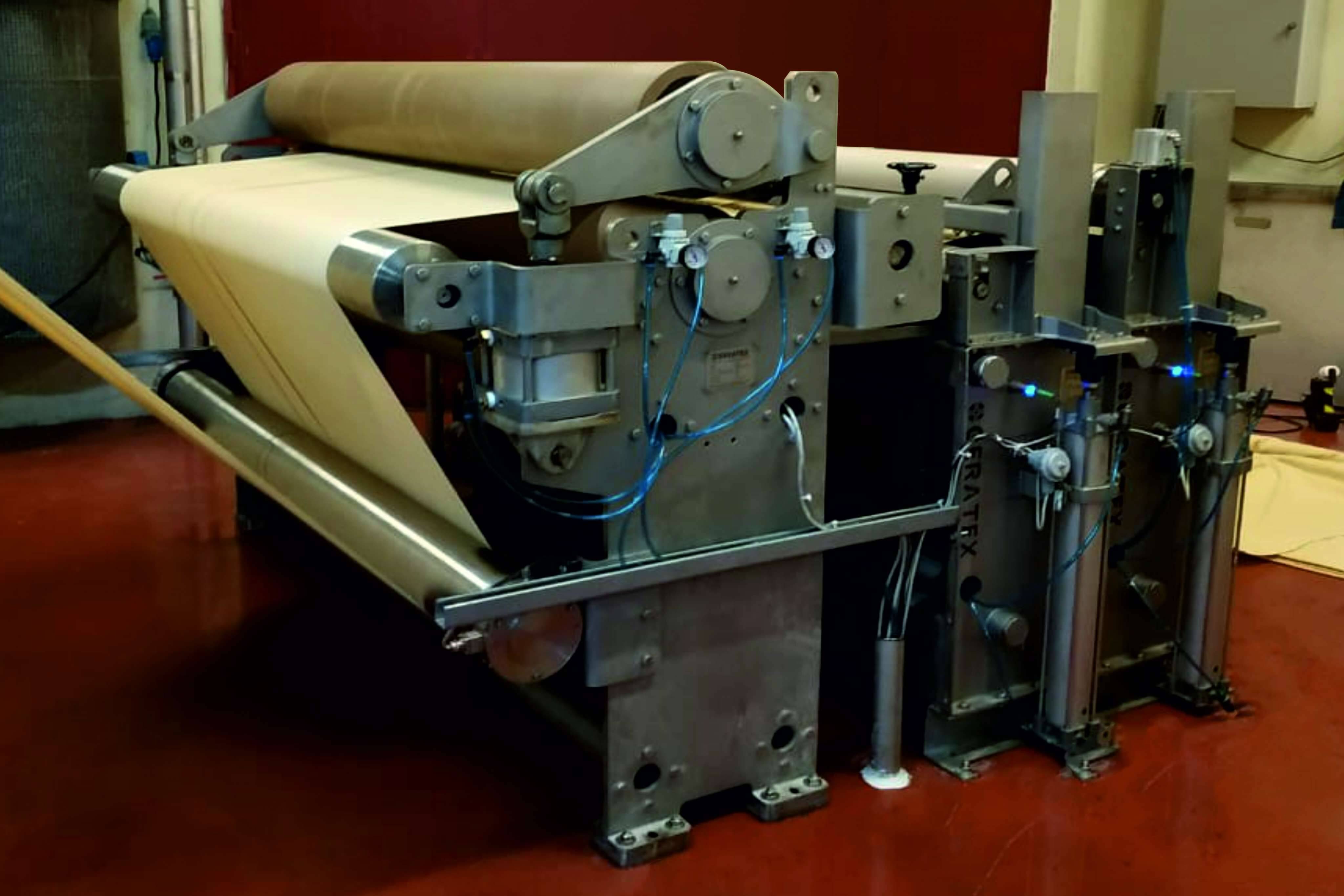
Weber Ultrasonics AG, a developer and producer of components for the industrial application of ultrasound technology, has collaborated with Geratex Machinery, a manufacturer of machinery for textile finishing, to develop an ultrasound textile treatment solution capable of reducing the volume of chemicals, water and energy required during processes.
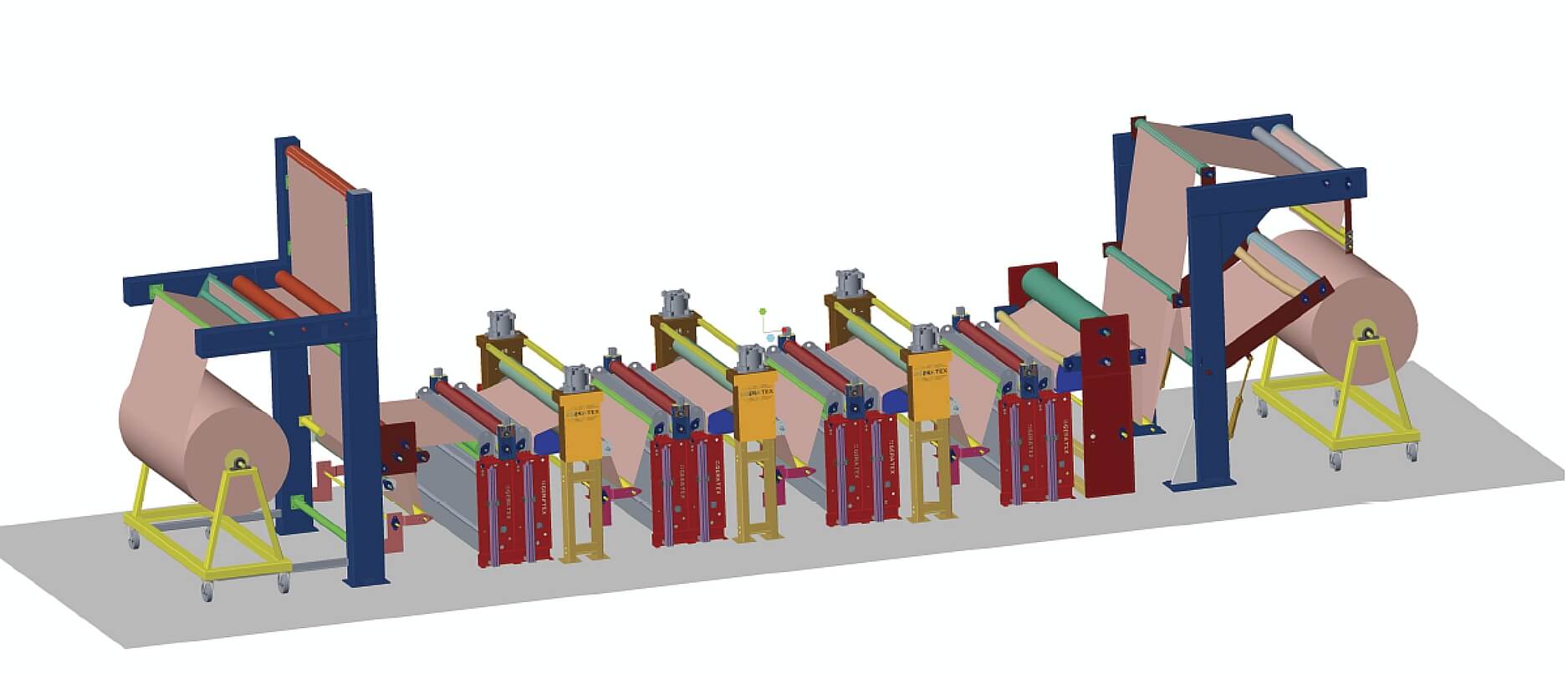
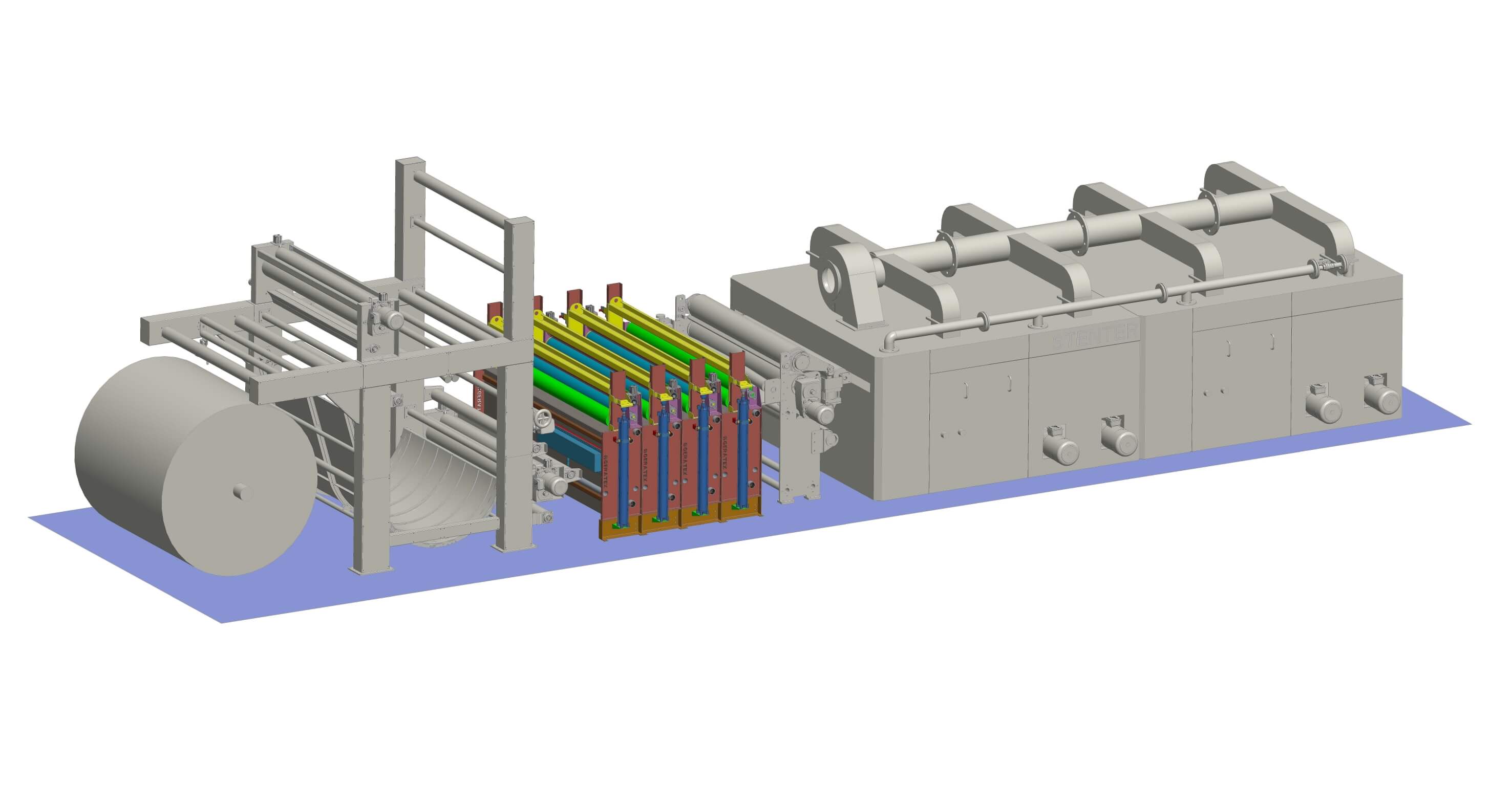
The modular solution – a fully digital, SONOPOWER 3S ultrasound generator, which can be installed directly into existing machinery – comprises a transducer to ensure the ‘gentle, consistent’ treatment of fabric.
The generator is equipped with a number of technologies, including a 32-bit processor, which enables it to carry out configurations automatically, monitor them continuously and ‘keep them constant’ throughout.
Furthermore, with a power output that can be modified in increments of 1%, the ultrasonic process can be adapted to the various requirements of textile treatment.
Ultrasound technologies
Delving deeper into its benefits, Weber Ultrasonics says the solution leverages the characteristics that ultrasound displays in a liquid bath, which compare favourably to traditional means of textile treatment.
“The physical phenomenon of cavitation plays an important role here; with the energy it produces increasing the absorption capacity of the various materials. Compared with conventional washing and finishing methods, the auxiliar chemicals used for desizing, bleaching, dyeing, mercerisation and soaking are therefore more intensely and evenly applied to fabrics and, most importantly, penetrate more deeply.
“In contrast with traditional textile treatment that does not use ultrasound, this method reduces the volume of chemicals needed by an average of 30%.”
The companies add that this process is also cost-efficient through the slashing of operating costs and resources.
The use cases for ultrasound technologies are growing in frequency in the industry, with more dyers and finishers opting for the process for its cost-cutting and energy-saving benefits, which are a crucial requirement in the purchasing decisions of fabric buyers.
“Thanks to the adjusted cavitation energy, textiles can be treated at significantly lower temperatures – at just 60°C instead of the normal 90-95°C. The resulting energy savings – up to 50% – play a key role in reducing operating costs and conserving resources, as well as lowering CO2 emissions.”
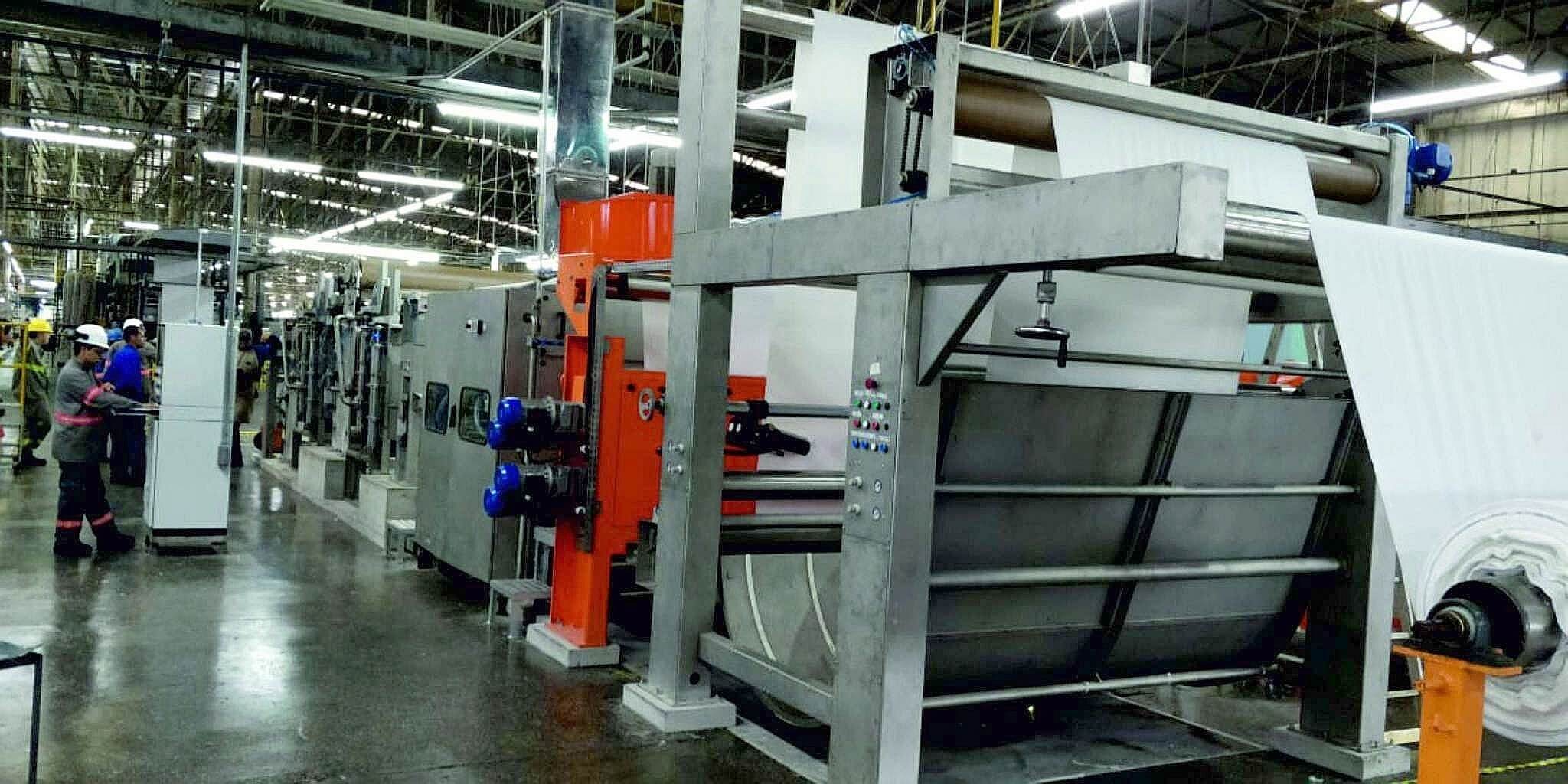
Weber Ultrasonics adds that its process is also able to save valuable time in wash cycles: “Ultrasound boosts the cleaning power of the water used during washes in between the various treatments. As well as using around a third less textile auxiliaries and water, this results in a shorter wash time.”
Furthermore, ultrasound technology enables the implementation of much more compact machinery, the company says. For example, ultrasound machines that allow for consecutive bleaching and mercerisation can be implemented on a line of just 30 metres, instead of the usual 60-80 metres with traditional technology.
Needs of industry
According to the companies, the specific needs of the textile industry were taken into consideration in the development of the ultrasound solution, which can also be integrated into existing machinery and processes.
“This [consideration] includes the specific properties of the fabric that is being treated, such as sensitivity, porosity and elasticity. The latter is becoming more and more important due to the increasing use of elastic fabrics in textiles.
“In stretchy textiles, treatment with conventional machinery often leads to the formation of creases, which then leave a mark on the fabric, which means the fabric must then be refinished.
“This is not a problem with ultrasonic treatment,” the company concludes.