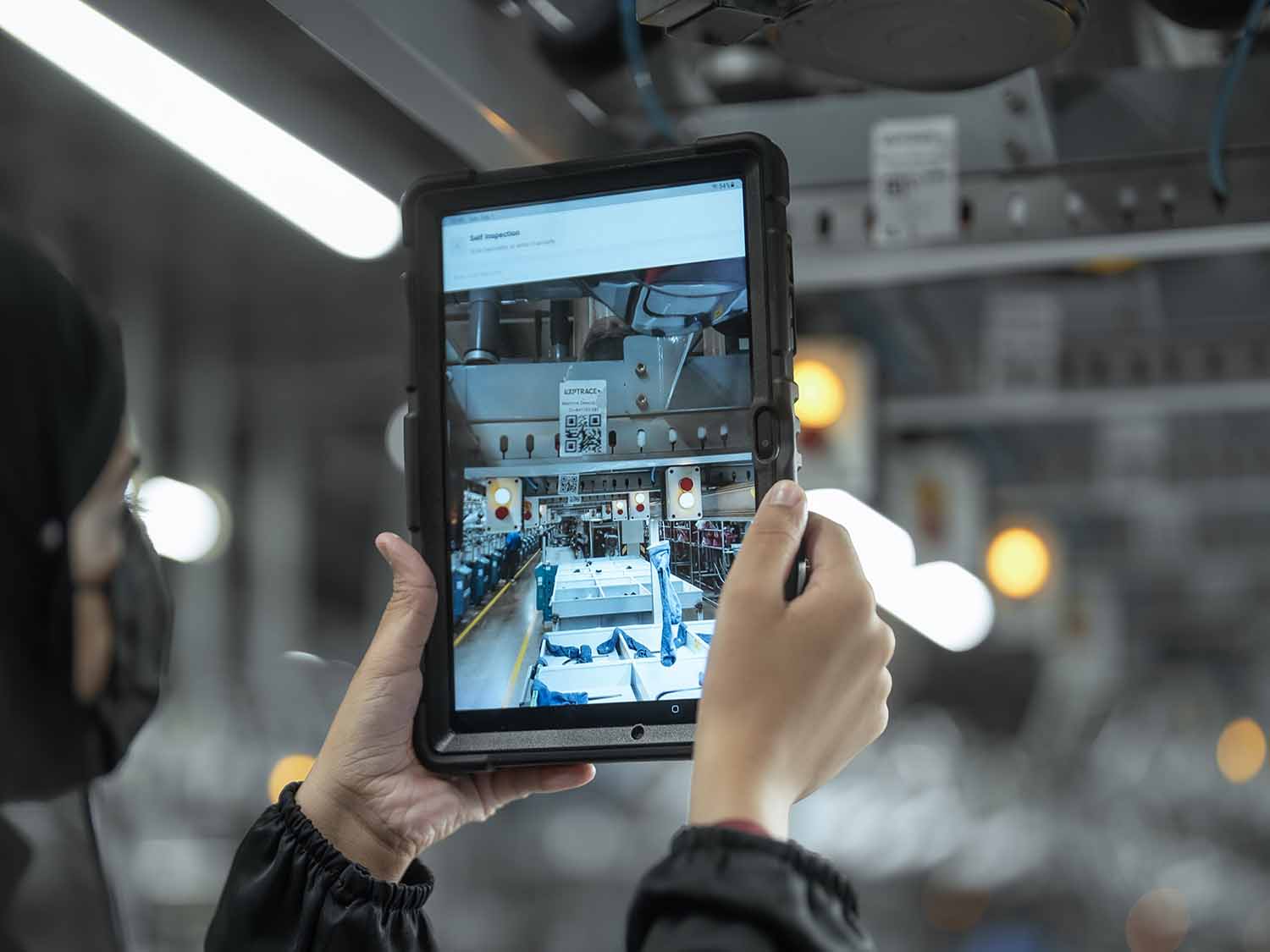
WTiN talks to Wang Shutian, president of China Textile Machinery Association (CTMA), ahead of ITMA Asia + CITME 2018.
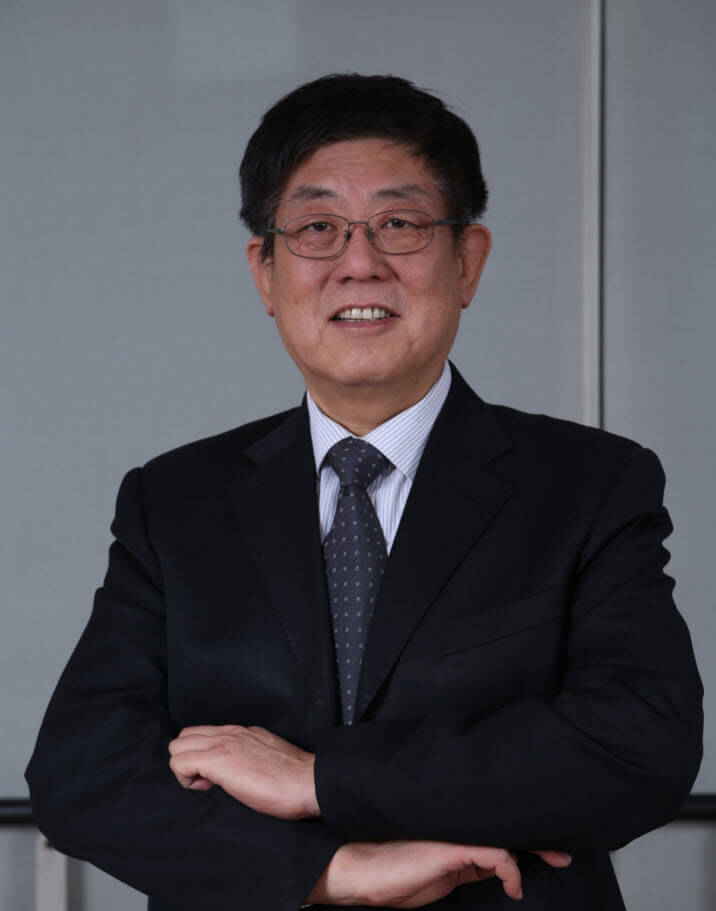
Wang Shutian, president of the CTMA
How many Chinese textile companies are expected to exhibit at ITMA Asia + CITME 2018, and what areas will they focus on?
Over 1,200 Chinese textile machinery companies will attend ITMA Asia + CITME 2018 and will be present in chapters 1-17 of the exhibition centre, which includes sectors of the whole industry such as spinning, weaving, knitting, printing and dyeing, finishing, chemical fibres, nonwovens and so on.
How does exhibiting at ITMA Asia + CITME benefit your member companies?
In just five days, ITMA Asia + CITME will attract over 100,000 visitors from more than 100 countries and regions. For each company, it is a wonderful opportunity to communicate with so many buyers in such a short period of time. At the same time, more than 1,700 textile machinery companies from over 20 countries and regions will participate in the exhibition. Exhibitors can learn the latest development trends and learn from each other.
How big is the role that China plays in the Asian textile machinery market?
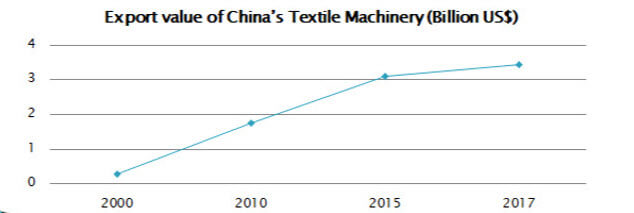
Asia plays an important role in the global market. In the last two years, China-made textile machinery has made great progress in quality and innovation. Meanwhile, China-made textile machinery has also had a significant advantage by being economic and cost-effective. These features are well known by the Asian textile industry. Exports of China textile machinery will follow this path.
What technological trends are you witnessing at the moment?
Rising labour costs and the need to stay competitive in a challenging business environment have spawned the demand for intelligent manufacturing. Using advanced information and communication technology allows effective integration of the entire textile and garment production processes. Such seamless integration will enable manufacturers to be more responsive to customers’ specific requirements.
Besides, there are two other trends – automation and environmental protection. Automation leads to quality improvement, and environmental protection focuses on energy saving and emission reduction.
What main challenges are your members facing?
The ability of independent innovation needs to be improved.
How has 2018 been for your company business wise, and what plans do you have for next year?
We plan to continue to promote technological advancement in the industry and help companies develop international markets.
What impact do you believe China’s trade dispute with the US will have on the wider textiles industry?
Cooperation between China and the United States is beneficial for both sides, but also, trade disputes have negatively affected both sides. However, for textile machinery, the industry is compliant with the rules, and the impact is relatively insignificant.