
Under the name cardyon, Covestro is developing and marketing new polyether carbonate polyols. With Desmopan 37385A, the company now offers the first representative of a new series of thermoplastic polyurethanes (TPU) containing polyether carbonate polyols based on CO2 technology.
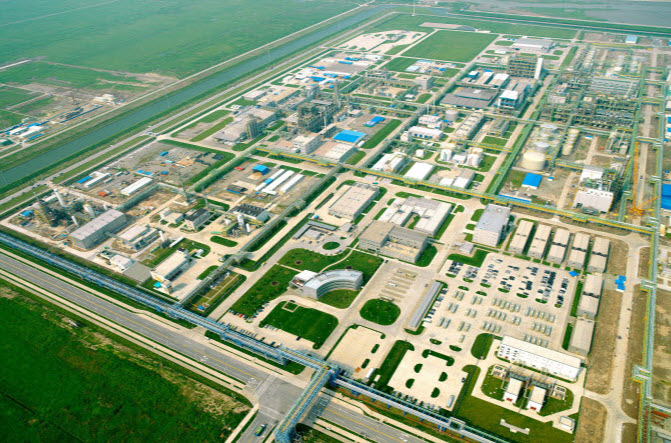
Under the name cardyon, Covestro is developing and marketing new polyether carbonate polyols
Compared to conventional TPU materials, the new TPU products leave a lower carbon footprint and help close the carbon cycle. They also conserve fossil resources and, unlike many bio-based materials, do not compete with food production.
“With the new TPU, our customers can reduce the carbon footprint of their products and as a result play a pioneering role in sustainability vis-à-vis their competitors,” says Georg Fuchte, TPU expert at Covestro.
“This is especially true for companies in the consumer goods industry, which often manufacture products with a short lifespan.”
Mechanical properties
Desmopan 37385A has a hardness of 85 Shore A. Its mechanical properties are at least at the level of conventional TPU grades of similar hardness, and even exceed some of them. For example, it has a tensile strength of 36 megapascals. The elongation at break reaches 660% (DIN 53504). The plastic is designed for extrusion but is also suitable for injection moulding.
“The application spectrum covers typical applications of conventional TPU grades with comparable hardness and ranges from soles and upper shoe components to sportswear, handles and knobs to packaging for sensitive electronics,” adds Fuchte.
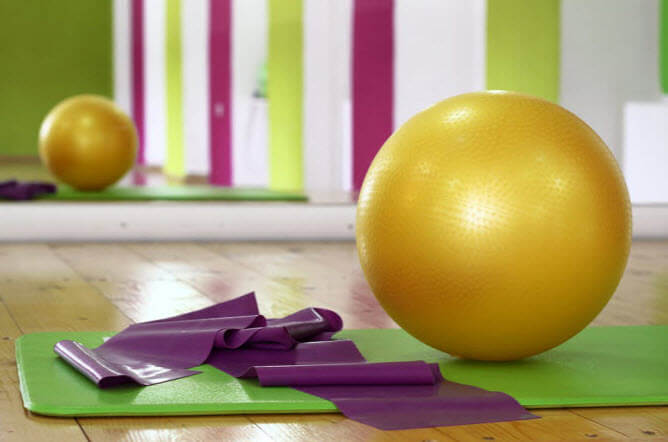
Work is underway on new CO2-based polyols for rigid polyurethane foams that could be used in sports equipment
Plans for expansion
Covestro plans to expand the new TPU series with variants of different hardness. A product with a hardness of 95 Shore A, for example, whose melt cures rapidly during processing, is well advanced in development.
“We are thus targeting applications in which economic production in short cycle times is particularly important,” says Fuchte.
Covestro cooperates closely with companies and research institutions to use CO2 technology as a synthesis platform for other large-scale chemical raw materials.
For example, work is underway on new CO2-based polyols for rigid polyurethane foams that could be used, for example, in the thermal insulation of buildings, in automobiles and in sports equipment.
At the Dormagen plant, Germany, Covestro already operates a production plant that produces CO2-based polyols for flexible polyurethane foams. The latter are used in the commercial production of upholstered furniture and mattresses.
More TPU highlights
Earlier this month, Covestro showcased other innovative TPU developments on a petrochemical basis at Fakuma, the international trade fair for plastics processing.
These included uniform and glossy TPU and polyamide fibres for knitted fabrics. The fibres have a unique feel and are mainly used in sports shoes, where the use of knitted uppers is very fashionable.
There are many possible decorative variations. The fabrics can be produced economically in a single knitting process, including automated production.
Additionally, Covestro is currently working together with its partner, J & K Krüth in Solingen, Germany, to open up almost unlimited possibilities for surface design with the help of innovative and fully digital 3D laser engraving.


