
Beijing has highlighted knitted goods in a list of products that may be subject to retaliatory tariffs, should the US impose a threatened third list of duties on Chinese tech, drafted over alleged thefts of American intellectual property (IP).
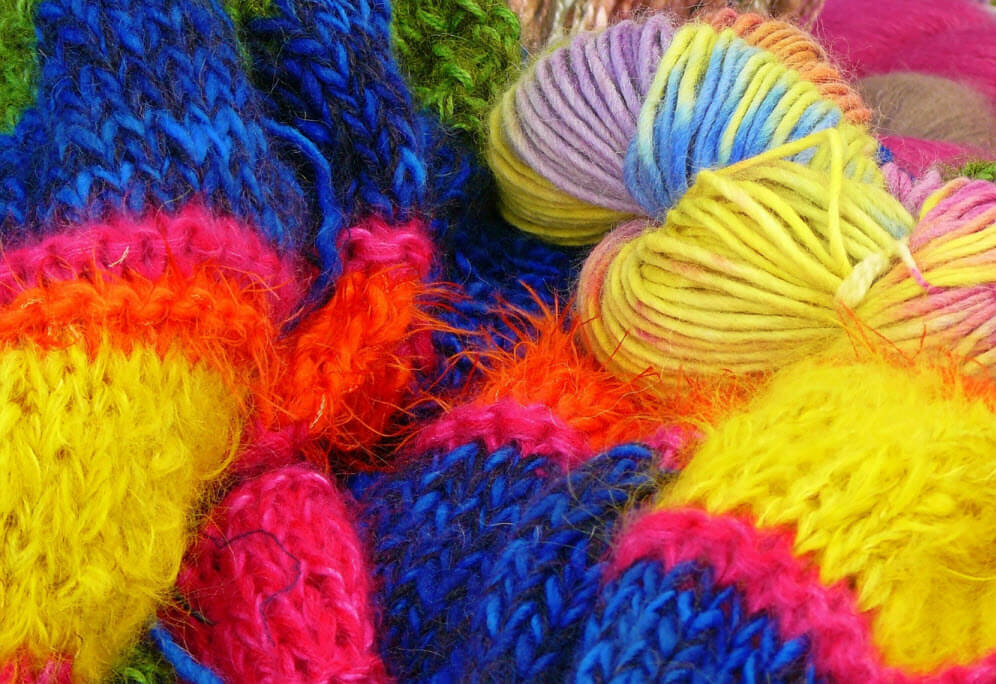
Knitted goods may be subject to regulatory tariffs
The US Trade Representative (USTR) said in August that it was consulting on plans to increase existing 10% duties on Chinese tech exports to 25%. In response, Beijing would impose more retaliatory duties on US exports worth US$60bn. According to a list of products released by China’s Ministry of Commerce, these could include 20% tariffs on US-made knitted chemical fibre, knitted or crocheted terry fabric and other warp‐knitted fabrics of unbleached or bleached synthetic fibres.
Knitted or crocheted woollen women’s coats and windbreakers, knitted or crocheted cotton men’s casual wear and suits, and knitted and crocheted gloves could also be included. There may also be 10% duties on cotton knitted and crocheted fabric with rubber thread, knitted and crocheted fabric, wool knitted or crocheted socks and other hosiery, cotton knitted or crocheted gloves, and knitted curtains. The Chinese government is holding back while the USTR consults with US importers about whether it should go ahead with its latest tariff plan.
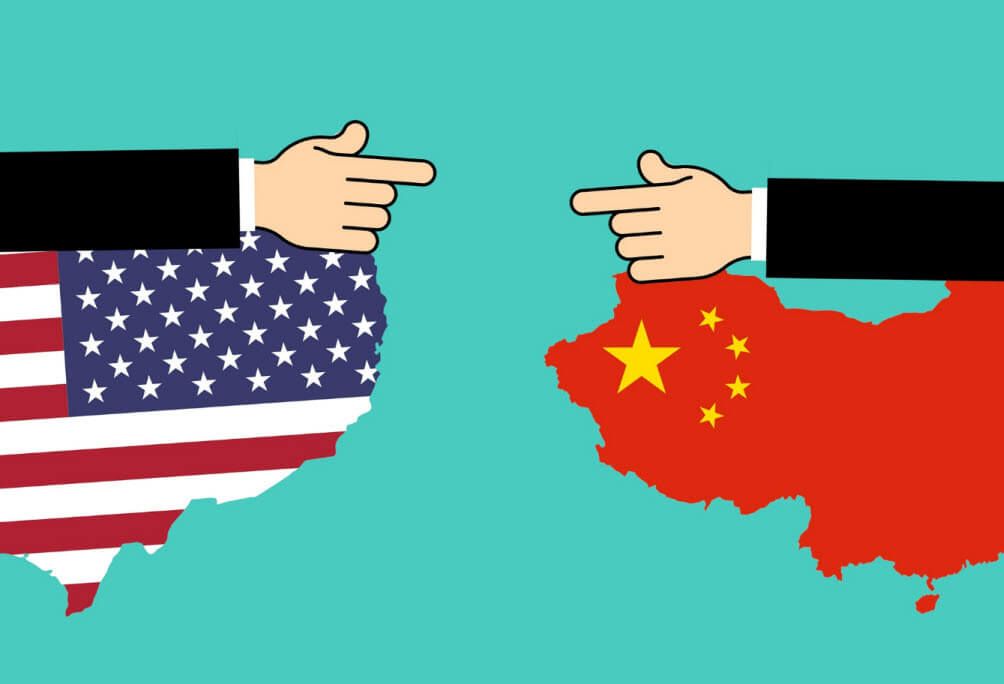
In response to the US, Beijing said that it would impose more retaliatory duties on US exports worth US$60bn
More international knitwear regulatory news:
- The Minimum Wage Board in Bangladesh has restarted talks to raise pay in Bangladesh, amid signs that brands are ready to accept a significant increase. Spain’s Inditex has released a statement calling for worker representatives to be “protected and respected during the current negotiation process so that there is an appropriate increase in the minimum wage that takes the collective demands of workers and unions into account.”
Bangladesh clothing manufacturers have offered Bangladesh Taka (BDT) 6,360 (US$76) as a minimum monthly wage for entry-level workers in their industry, up from the US$63 set in 2013. Labour groups have proposed BDT12,020 (US$143) as a new minimum monthly rate – with some calling for BDT16,000 (US$190).
- Meanwhile, knitting and garment importers in the Netherlands have agreed to follow a higher level of ethical standards and scrutiny with regards to exploitation of labour, environment protection and animal welfare.
A Dutch Agreement on Sustainable Garments and Textile is a new deal under a Dutch government-backed project to strike ethical agreements promoting international responsible business conduct’ (IRBC). It came into force on 4 July, and has already been signed by 77 knitwear, garment and textile importers including C&A, Knits Only, Costes, America Today and Hunkemöller.
Participating companies commit themselves not only to improving environmental practices and working conditions of labour at their production locations, but also to support the right of independent trade unions and living wages that are higher than minimum wage in most countries. To ensure transparency, signatories are supposed to disclose all their production sites worldwide.
A note from the Netherlands agency promoting these deals says: “Problems in emerging markets in the developing world are often so complex that there is very little one company can achieve alone.” For more information, visit: https://www.imvoconvenanten.nl/garments-textile?sc_lang=en
- The EU and Australia as well as the EU and New Zealand, have launched talks to forge a comprehensive trade deal. While EU knitter imports of quality Australian and New Zealand wool already enter the EU duty free, this new agreement will target trade red tape that can impede imports and exports and so should ease sourcing. For EU knitwear exports, Australia currently charges tariffs that are generally 5% or 10% - duties that may disappear if a deal is struck. New Zealand charges tariffs of between 1.7% and 5.3% on much imported knitted apparel – these could also be negotiated away.
- EU anti-fraud agency OLAF has warned that a scam involving the under-declaring of the value of goods, including knitwear imported from China to the EU to minimise duties paid, could have switched from UK ports to Chinese-owned facilities in Hungary and Greece. This follows tougher controls being imposed in Britain.


