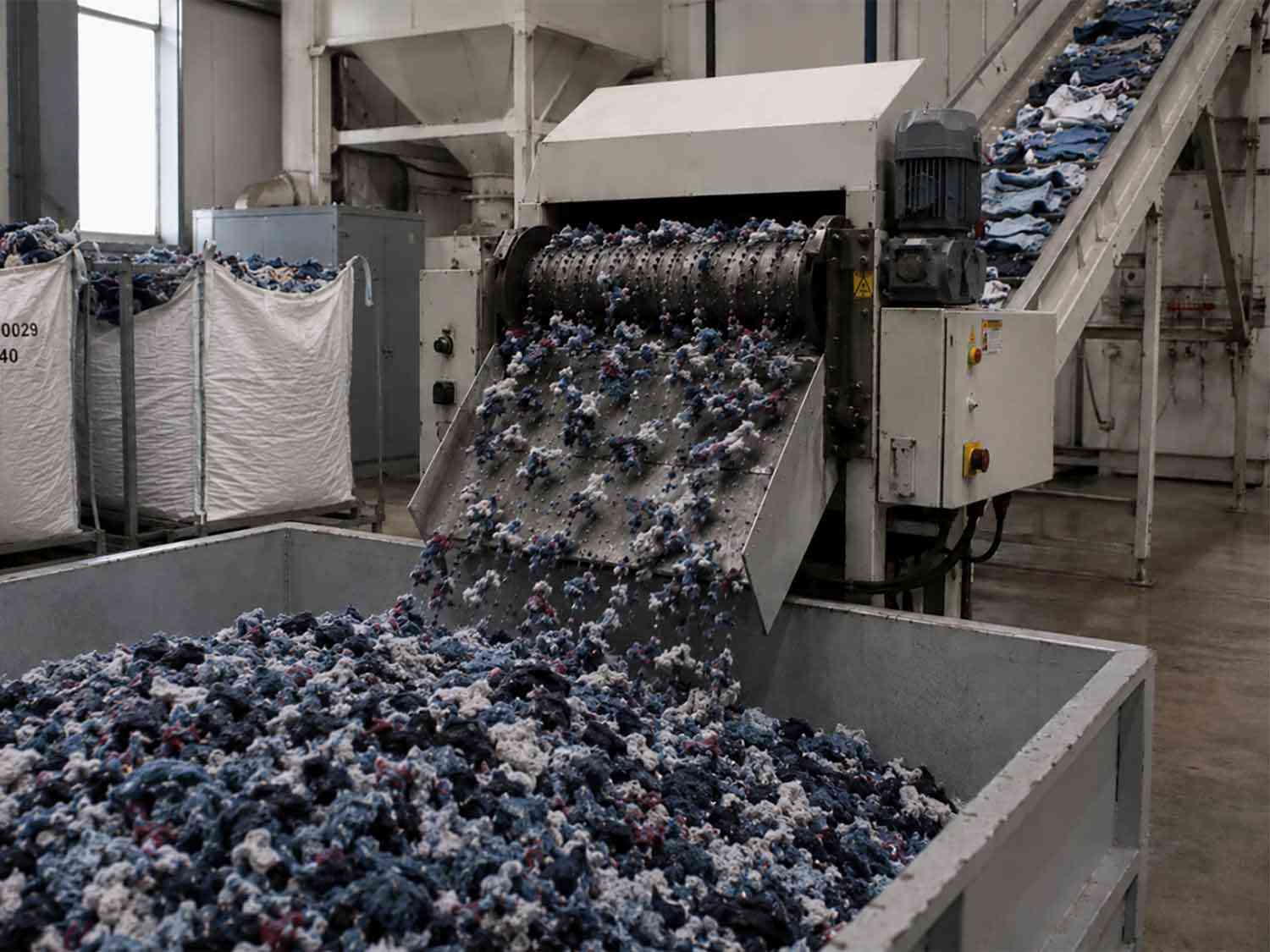
Afghanistan is the world’s third largest cashmere producer after China and Mongolia, yet its industry remains heavily underutilised.
In the previous decade (to 2010), Afghanistan produced around 7% of the world’s raw (greasy) cashmere, after China (72%) and Mongolia (18%), according to research from the University of California, Davis. The researchers also concluded that Afghan cashmere is of a significantly higher quality than Iranian cashmere.
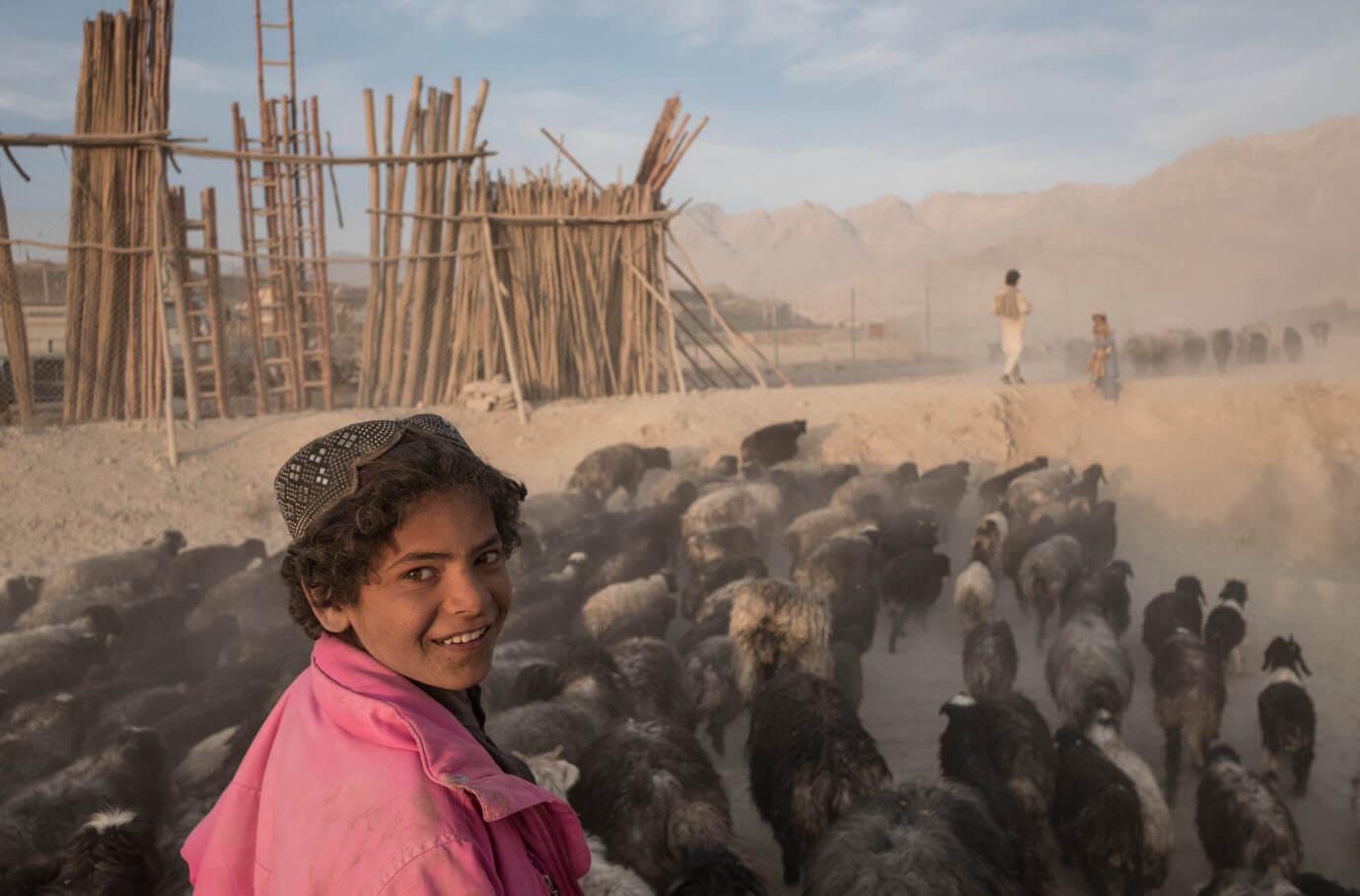
A herder with cashmere goats in Afghanistan
The data suggests that Afghanistan was exporting around 1,000 tonnes of cashmere annually, although current figures are not available, according to British luxury fashion brand Burberry.
It could be a lot lower, given that while Burberry notes that nearly 95% of the country’s goats are cashmere producing, just 30% are currently farmed for cashmere. Burberry wants that to change, and its foundation is now trying to lift the sector’s yield and quality significantly.
A five-year programme that started in February this year, led by the Burberry Foundation and supported by Oxfam, the UK-based charity, and PUR Projet, a France-based company promoting sustainable agricultural practices, aims to improve the situation and provide a major boost to the industry.
Speaking to WTiN, Pamela Batty, VP corporate responsibility, Burberry, and secretary to the Burberry Foundation, says that “there is enormous potential for the Afghan cashmere industry.”
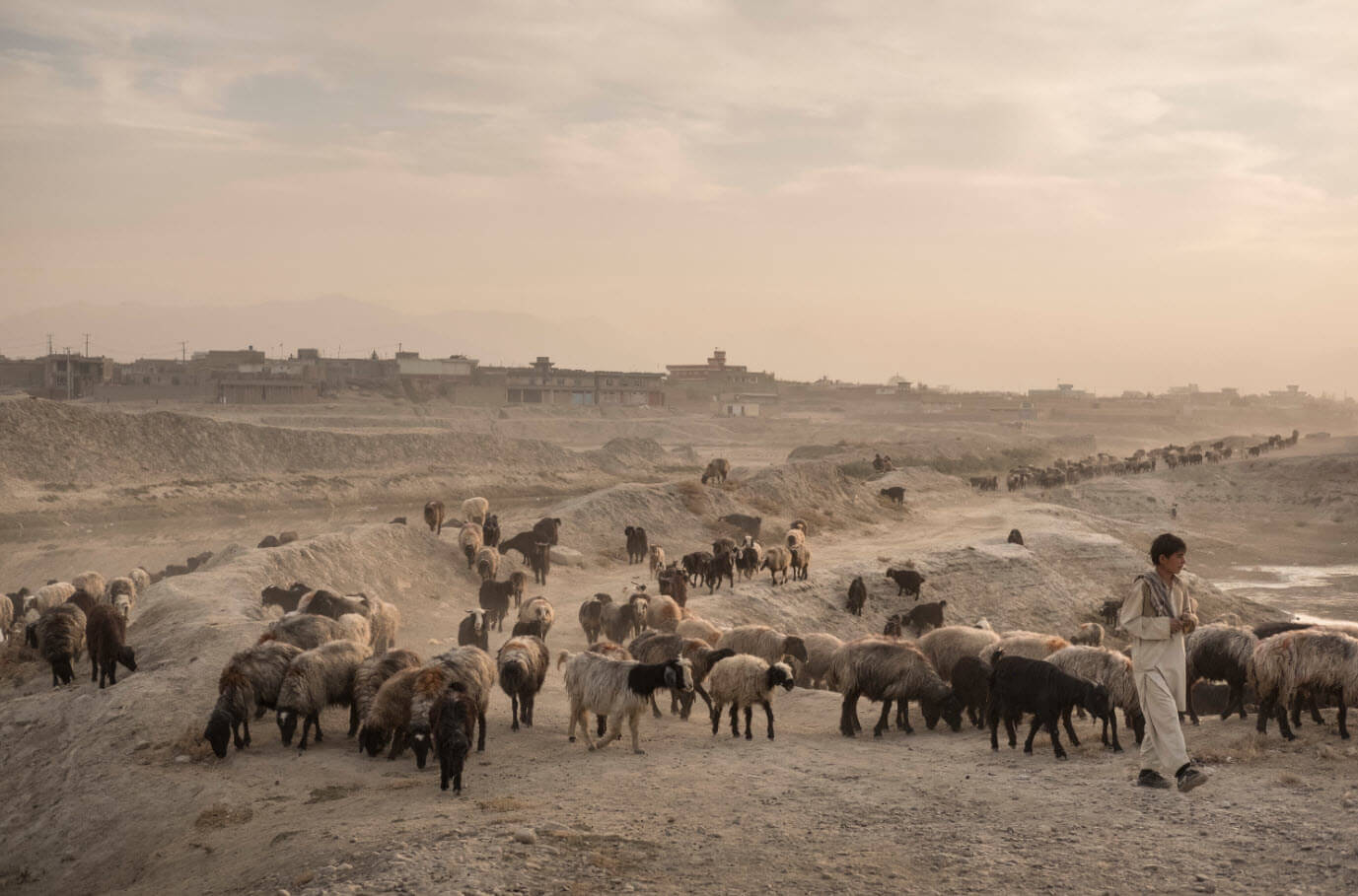 Many Afghan goat herders have limited understanding about the potential and true value of cashmere
, and Batty says that the project is aiming to address such challenges by “working with local herders to create community-owned collective action organisations and provide them with the necessary knowledge, technical skills, essential services and access to markets to support sustainable farming and economic development.”
The project is taking a three-pronged approach. Firstly, it is trying to strengthen trading networks and awareness of potential income that would encourage goat producers to harvest, process and sell cashmere fibre.
Secondly, it seeks to improve livestock management of goat producers for breeding, husbandry, feeding and animal health. A training programme will be introduced for herders at the village level, also advising on how to safely remove cashmere fibres from the goats.
Thirdly, the project aims to organise goat producers in collective action organisations at the community level to develop market linkages and make collective sales. Groups of producers and traders will be established at the village, district and provincial level to formalise the market structure and enable herders to access the market and sell cashmere collectively, to secure better prices.

Johnstons of Elgin uses Afghanistan cashmere in a number of its products
By doing so, the overall objective of the project is improving cashmere quality and yield as well as the yield of herders’ goats overall, including meat and dairy production – which in turn would allow herders to obtain a higher value for their goats. “And we believe our programme will deliver resources that will go some way to making it a valuable and sustainable industry for local communities,” Batty says.
Quality is the key. Scottish cashmere specialist and luxury fashion and accessories brand Johnstons of Elgin uses Afghanistan cashmere in a number of its products. The business manufactures for its own brand as well as supplying leading fashion houses around the world. Simon Cotton, CEO of the company, which is based in Elgin and Hawick, says: “Not all cashmere is equal. Everyone says they choose only the finest fibres but very few actually do. At Johnstons of Elgin we buy 24 different types of fibres and for each type we work with only the best collectors and dehairers to achieve the very high standards we require.”
He adds that to achieve the perfect combination of colour, length and diameter (micron) the company’s cashmere is sourced from across Mongolia, China and Afghanistan. “In each country there are very few suppliers who can meet our standards,” he states.
But he says the good news is that in Afghanistan, cashmere fibre production is still part of the country’s rural traditions, meshing in some regions with an ancient, rarely changed lifestyle.
“Cashmere goats are kept in mixed herds along with sheep by nomadic herders who normally move four times a year, staying in wooden-framed ‘gers’ [tents],” he explains. “This lifestyle has evolved and been perfected over hundreds of years to enable the animals to survive the harsh winters and take advantage of the bountiful summers.”
 Men’s cashmere from Johnstons of Elgin
Cotton notes that during the winter, Afghan cashmere goats develop a fine, downy undercoat which provides incredible warmth in temperatures that can drop to -40°C. In the spring this fibre starts to ‘float’ and can be combed easily to produce around 250 grams of beautiful downy cashmere.
Volume is important regarding such harvesting. A leading Afghanistan cashmere company is the Herati Cashmere & Skin Processing Plant. Its owner Abdul Basir Hotak says that “out of 400kg of cashmere raw material, you only get 200kg of dehaired cashmere.”
The company exports cashmere yarn to countries including the UK, Germany, Italy, India and the US. Depending on the demand, the company processes 400kg of cashmere raw material daily, according to Hotak. Going forward, the company plans to tie up with Katbro Corporation Pvt Ltd, an Indian knitwear manufacturer based in Uttar Pradesh, to supply finished cashmere clothing. “The project is expected to be completed in four years by 2022,” reveals Hotak.
He adds that a key challenge is getting sophisticated and expensive equipment needed for dehairing. He is planning to visit Italy in October, looking for new machinery, and says that despite the challenges, “cashmere quality is a primary focus” for Herati Cashmere, and this has kept his business running since 1999.
Unfortunately, this is not the case with many other cashmere producers in Afghanistan where quality is failing. Cotton says a key problem is that “the majority of Afghan cashmere is not segregated, is of lower quality and is processed in low quality volume processing plants, mostly in China, for use in mass market garments.”

Women’s cashmere from Johnstons of Elgin
In addition, security issues make it difficult for most western companies and charities to work physically in Afghanistan rural areas, so sustainability initiatives have been limited in scope – although USAID operated a recent programme. It worked with 3,000 herders in northern Afghanistan to improve harvesting and collection methods.
However, Cotton stresses that “after decades of conflict, developing a more productive and rewarding cashmere sector is key to building livelihoods in the country.”
This has been underlined by the organisations involved in the new project. In a statement, the Burberry Foundation notes that “the majority of Afghanistan’s population lives in rural areas and fully depends upon agriculture and livestock – including cashmere goats – for their livelihood.”
Leanne Wood, a trustee of the Burberry Foundation and chief people, strategy and corporate affairs officer at Burberry, says that its project aims to “support and improve the livelihoods of thousands of people across the country. There is enormous potential for the Afghan cashmere industry and we believe our programme will deliver resources that will go some way to making it a profitable and sustainable industry for local communities.”
Sachitra Chitrakar, interim country director for Oxfam in Afghanistan, states: “Oxfam is very excited to launch this programme with the support of the Burberry Foundation to expand our work on sustainable livelihoods in Afghanistan. With extreme poverty on the rise, it is important to continue our commitment supporting local communities in the fight against poverty.”
Pierric Jammes, co-founder and managing director of PUR Projet, adds: “PUR Projet is very excited for the opportunity to work with the Burberry Foundation and Oxfam on this fantastic initiative in Afghanistan. It is through such partnerships that innovative solutions can be found to drive true change and support local communities in their endeavours to bring themselves out of poverty and manage their natural resources sustainably.”
Yet for projects such as Burberry’s to work, some education will be needed in Afghanistan on aspects such as the value of cashmere. Batty notes that “cashmere does not currently play a central role in the livelihoods strategies of those who are producing it.”
She explains that many rural Afghans get more income from other sources, notably different kinds of farming. Furthermore, goat producers in Afghanistan are limited in knowledge and resources for animal care, nutrition, health and protection – meaning there is a higher mortality rate in herds, and a lower total economic production per goat (including for meat, dairy and cashmere).
Batty adds that there are few market incentives for cashmere producers to improve the quality of the cashmere they provide to intermediaries. She points out that intermediaries, for instance, do not receive incentives from processors or exporters based on quality or cashmere characteristics.
Finally, Batty notes that in general, goat producers or traders will not accumulate sufficient white cashmere to incentivise them to separate it from the dark cashmere. “As such, the major factor determining price to the cashmere producer and intermediary is the weight and purity of the greasy cashmere,” she argues. Yet there are other factors that determine quality, such as diameter and fibre length.
Nonetheless, Cotton says he is “very excited” about the Burberry programme, which is taking a broad view on raising standards of living for herders and rural communities. He adds: “It’s a significant intervention and at the moment it’s a unique one in Afghanistan.”